x




Sometimes, you can just tell when your gut health is a little off. Your food sensitivities may become a bit worse, you may have more gas, bloating, and skin issues like acne and eczema, and you may also feel more fatigued. These are all classic signs that your gut health may be veering more towards the unhealthy side of the scale. Most of us experience one or all of these symptoms at least once in our lives. While most digestive distress is nothing more than a minor inconvenience, if your symptoms become chronic, it may signal that the body is not getting all the nutrients it needs for optimal health. Before we get into some good nutritional practices for optimal gut health, let’s touch on some common “enemies” of a healthy gut, to bring some awareness to these gastrointestinal threats.
Here are some of the biggest threats to your digestive health1:
Now that you know what to watch out for when monitoring your digestive health, let’s move onto diet, and see how that factors in. When it comes to maintaining your microbiome at its healthiest level, nothing is more important than what you eat and drink. To feed your gut well, trade in highly processed foods for fresh fruits and vegetables, fish like salmon, and lean sources of protein like organic poultry2. Whole, minimally processed foods foster a healthy balance of good to bad bacteria. Sugar and processed carbohydrate, on the other hand, feed your bad bacteria.
The good news is that even a lifetime, yes, a lifetime, of bad eating is fixable, as far as your microbes are concerned. Your body can actually create new microbiota in as little as 24 hours, just by changing what you eat, which is pretty miraculous. When it comes to foods that will help repair your gut and keep it in good shape, there are two categories: prebiotics and probiotics. This is probably why you’ve been seeing somewhat of a surge in popularity of fermented foods like sauerkraut, kombucha and kimchi, they are all great natural sources of probiotics. Prebiotics, on the other hand, are fibers we don’t digest, so they are consumed by the good bacteria in our gut. Here are some of the top foods for better gut health3:
Kimchi: This fermented cabbage staple is rich in two different classes of good bacteria associated with better gut health, Lactobacillus and Bifidobacterium. Research shows that fermented kimchi alters the bacterial environment of the gut, potentially reducing the risk of insulin resistance, obesity, and even high blood pressure.
Garlic: In addition to providing inulin fiber, garlic is also rich in the natural prebiotic fructooligosaccharides (FOS). Research has shown that garlic increases the good Bifidobacterium in our gut, which may help prevent some gastrointestinal diseases and irregularity.
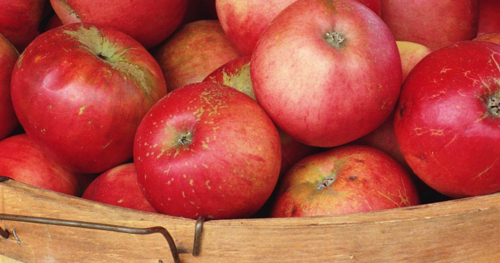
Apples: An apple a day keeps the doctor away…which may be due to its pectin content. Pectin makes up about half of the fiber content in apples and has been shown in some research to increase the total SCFA content (i.e. bacteria’s favorite food) in the bowels. It also appears to reduce bad bacteria in the gut as well.
Now that we know some of the top ‘good gut’ foods, here are the top 3 foods (or drinks) you should avoid, in order to protect your gut health:
Alcohol: We know that drinking too much alcohol is bad for our overall health, but it turns out that it is pretty bad for our gut health, in particular. Research looking at alcoholics suggests that chronic alcohol intake is associated with negative changes in the bacterial microbiome.
Saturated fat: A diet high in saturated fats and trans fat may not be so healthy for the gut. Studies have shown that a diet rich in these fats (like fat from butter or fatty meats) may increase the bad gut bacteria population and decrease the good gut bacteria population.
High animal protein diet: Research has linked animal products like red meat, to an unfavorable microbiome. Studies show that red meat may reduce the beneficial short-chain fatty acids that help feed the bacterial community, promote the growth of bad bacteria, and potentially increase the risk of IBS.
Get your gut on the right path by swapping in (or out) some of the foods listed above. Practice good nutrition for optimal gut health and your microbiome will thank you.
.png)