x




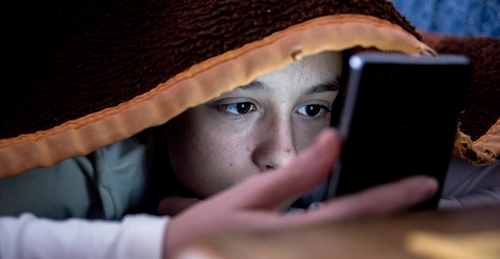
Limiting kids’ recreational screen time to less than two hours a day, along with sufficient sleep and physical activity, is associated with improved cognition, according to a study published in The Lancet Child & Adolescent Health.
The study included about 4,500 US children ages 8 to 11 and measured their habits against the Canadian 24-Hour Movement Guidelines for Children and Youth. It found that 51% of the children got the recommended nine to 11 hours of uninterrupted sleep per night, 37% met the recreational screen time limit of two hours or less per day, while 18% met the physical activity recommendation of at least 60 minutes of accumulated physical activity a day.
Only 5% of the children in the study met all three recommendations; 30% met none at all…
The researchers found that as each recommendation was met by a participant, there was a positive association with global cognition, which includes memory, attention, processing speed and language. Those who met all three had the most “superior” global cognition, followed by those meeting the sleep and screen time recommendation and finally the screen time recommendation alone, according to the study.”