x




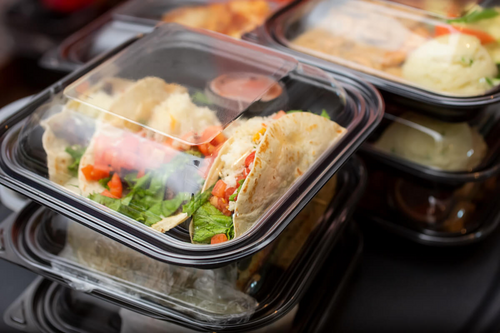
When pandemic-related mandates forced restaurants to close, consumers naturally gravitated toward eating in. Americans broke pre-COVID habits of going out regularly, replacing them with new habits around home cooking. Restaurant food came in the form of online ordering, takeout, and delivery.
Simply put, those habits stuck even after closures were lifted. Nearly half of all American adults report cooking in for breakfast and lunch every day, with roughly one-third cooking in every day for dinner. More than 90% of those respondents said they plan to eat at home just as frequently, if not more frequently, moving forward.
People’s reasons for dining in more often vary, but here are some of the more prominent motivators for choosing to cook or order takeout:

The pandemic caused a seismic shift around how guests view dining experiences. According to the National Restaurant Association, nearly 70% of American adults are now more likely to order takeout than they were pre-pandemic. This isn’t limited to quick-service restaurants (QSR) either: a whopping 80% of fine dining and casual restaurant owners enhanced their takeout options.
People aren’t just more inclined to order takeout and delivery; they’re doing it in real-time. Sixty percent of Americans order takeout or delivery at least once a week, and that same figure represents the balance of takeout and delivery vs. dine-in orders among millennials.
Restaurants have reopened their doors, and patrons are certainly returning to the dining room, but the return of in-person dining hasn’t exactly been the full “return to normalcy” some would’ve imagined for a post-COVID world. Concepts that rely more heavily on takeout and delivery have continued to see off-premise sales dominate their cash flow. Virtual-only restaurants, also known as ghost kitchens, which exist solely on third-party delivery services like Snap Delivered, Grubhub, DoorDash, and UberEats, have also risen to prominence as an entirely new restaurant category.