x




Undoubtedly, the most convenient way to escape from cooking your food is by ordering food online. Apart from the lack of desire for cooking, people also order food online to satisfy their hankering for distinctive cuisines. Multiple payment options, attractive offers, and discounts have paved the way for constructing an impressive image in people’s minds about the benefits of online food ordering systems. This list of online food ordering statistics will explain how important online food ordering systems have become.
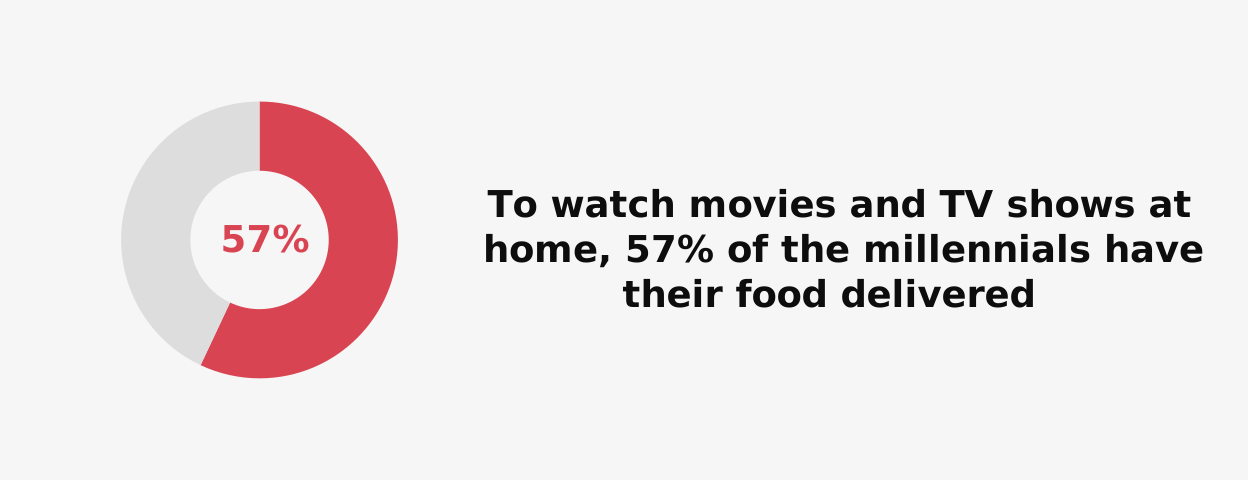
11. To watch movies and TV shows at home, 57% of the millennials have their food delivered. (Mintel)
12. 56% of the consumers have restaurant food delivered so that they don’t have to leave their home. (Mintel)
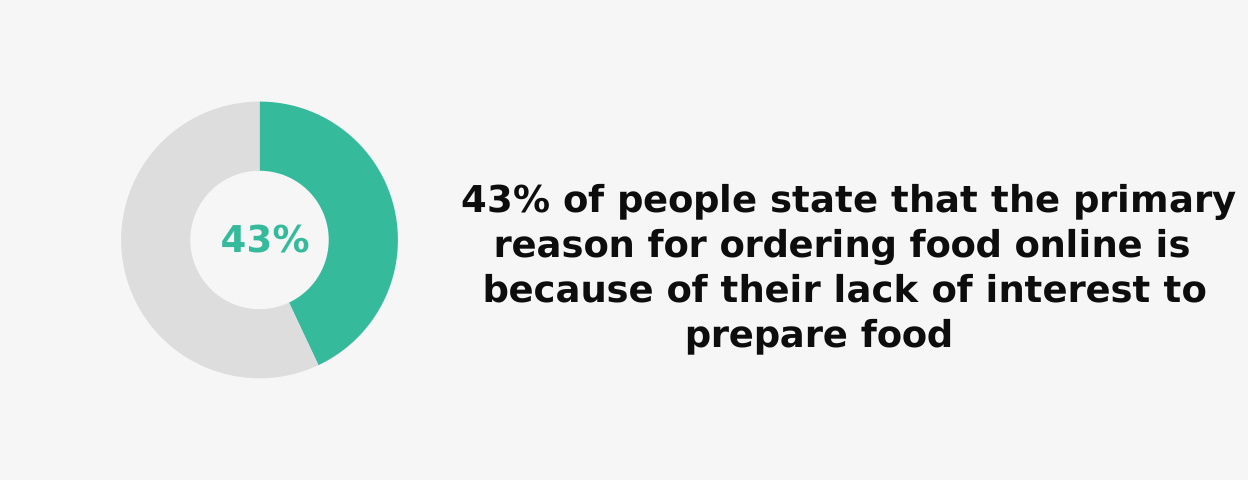
13. 43% of people state that the primary reason for ordering food online is because of their lack of interest to prepare food. (Statista)
14. 28% of the people ordered food online to save time from cooking and cleaning. (Statista).
15. Rather than dining out with their family, 63% of the consumers agree it is more convenient to get their food delivered. (Mintel)
16. Compared to a regular dine-in experience, 20% of consumers spend more on off-premises orders. (Restaurant Business Online)
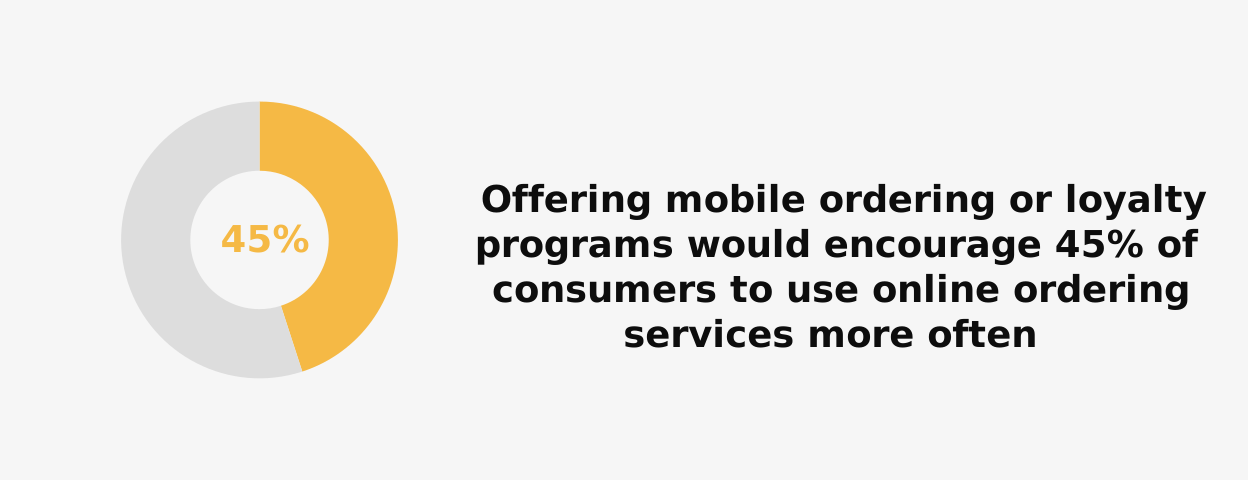
17. Offering mobile ordering or loyalty programs would encourage 45% of consumers to use online ordering services more often. (Nation’s Restaurant News)
18. 87% of Americans who use third-party food delivery services agree it makes their lives easier. (Mintel)
19. Consumers who order food online from a restaurant will visit that restaurant 67% more often than those who don’t. (Pizza Magazine)
20. Once customers sign up for an online food ordering app, 80% of them never or rarely leave for another platform. (Restro App)
The USA has set the trend with on-demand food delivery apps. Time has become the most valuable factor for people in this corporate-driven world. This has accelerated the growth of the food delivery market with door-step food services becoming a promising profitable option. Food delivery services like Grubhub, UberEats, and DoorDash are transforming the way people get their meals. Let’s dive into a statistical collection of these popular food delivery apps.
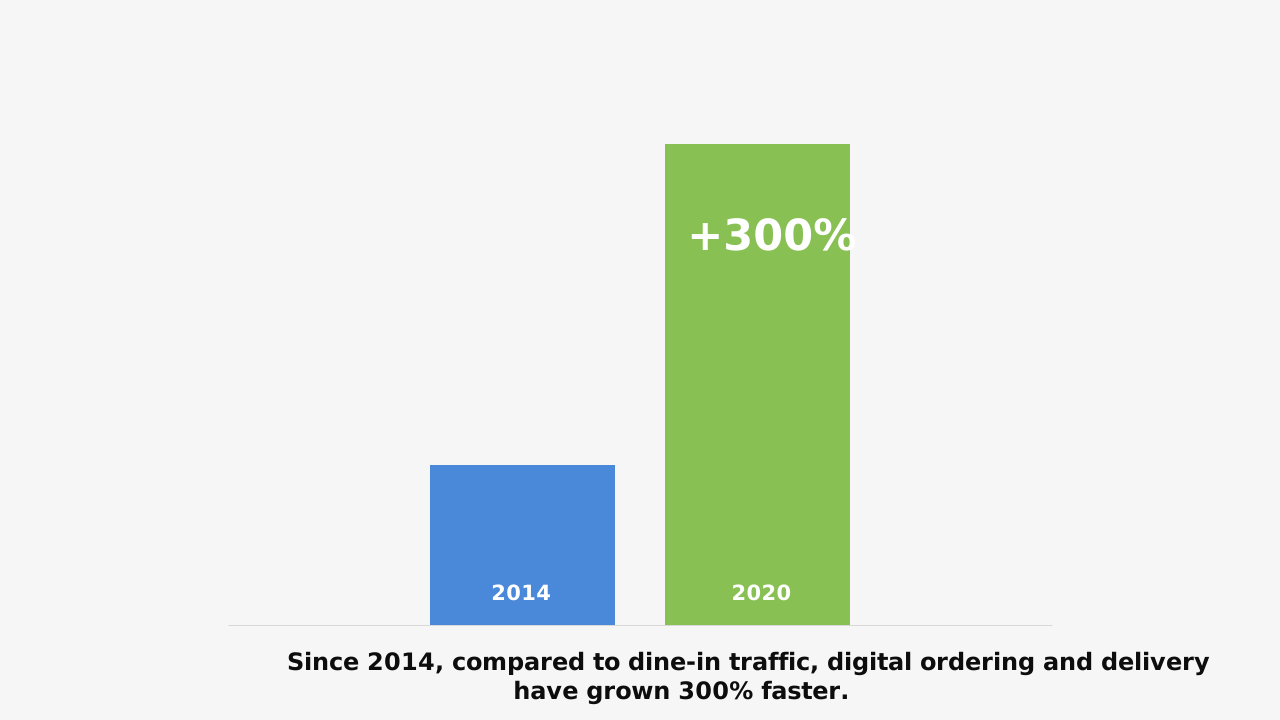
21. Since 2014, compared to dine-in traffic, digital ordering and delivery have grown 300% faster. (Nation’s Restaurant News)
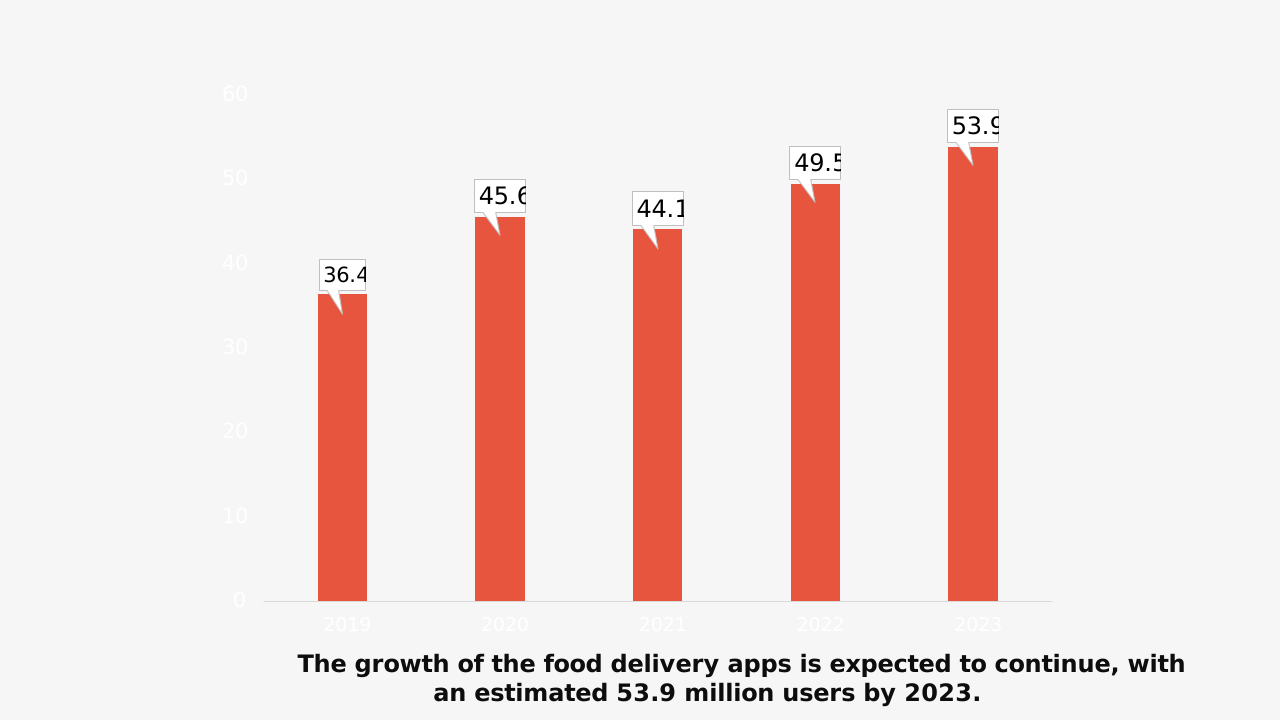
22. The number of food delivery app users was predicted to increase from 36.4 million users in 2019 to 45.6 million users in 2020 because of the COVID-19 pandemic. (Statista)
23. The growth of the food delivery apps is expected to continue, with an estimated 53.9 million users by 2023. (Statista)
24. Restaurant sales volume got raised by 10 to 20% after working with a third-party delivery service. (Nation’s Restaurant News)
25. At least twice a week, 31% of consumers use third-party delivery services. (Mintel)
26. 43% of restaurant professionals said they believe third-party apps, many of which withhold data, interfere with the direct relationship between a restaurant/bar/pub and its customers. (Pizza Magazine)
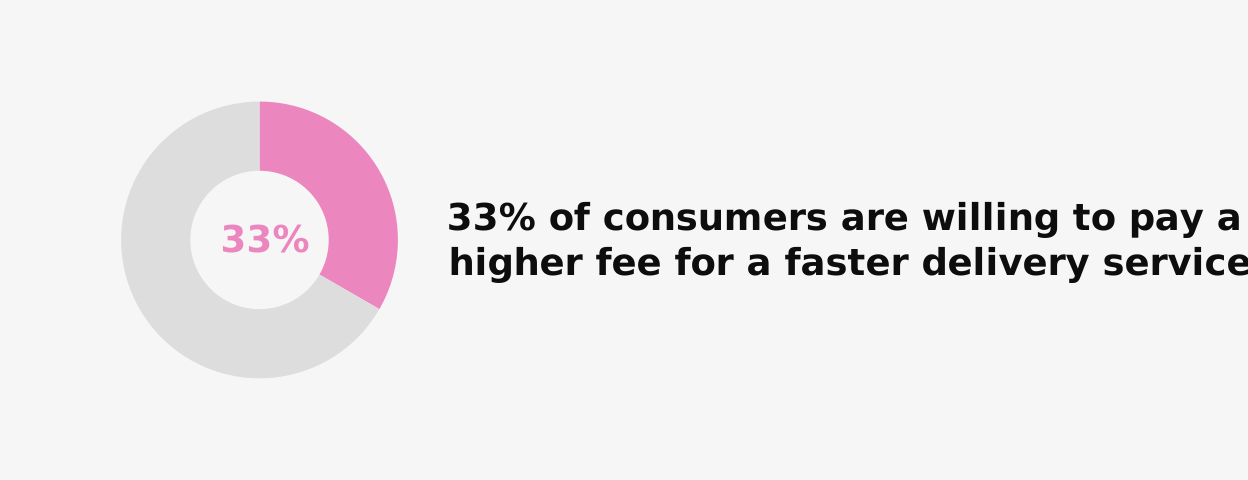
27. 33% of consumers are willing to pay a higher fee for a faster delivery service. (Restro App)
28. Grubhub has been used by 37.8% of all multi-restaurant delivery website/app users. (Zion and Zion)
29. UberEats is the second most installed food delivery app in the U.S with over 4.5 million downloads in 2019. (Enuke Digital Power House)
30. Doordash is the most preferred food delivery service. (Comfy Living)
After a very tiring day at work, there is nothing more satisfying than relaxing at home and enjoying a scrumptious meal of your choice. According to the latest data, more and more people are ordering food online as it is more convenient and hassle-free. Increased variety and customization of food are in high demand. Now, it’s time to cover a selection of food delivery statistics focused on what people’s cravings are.
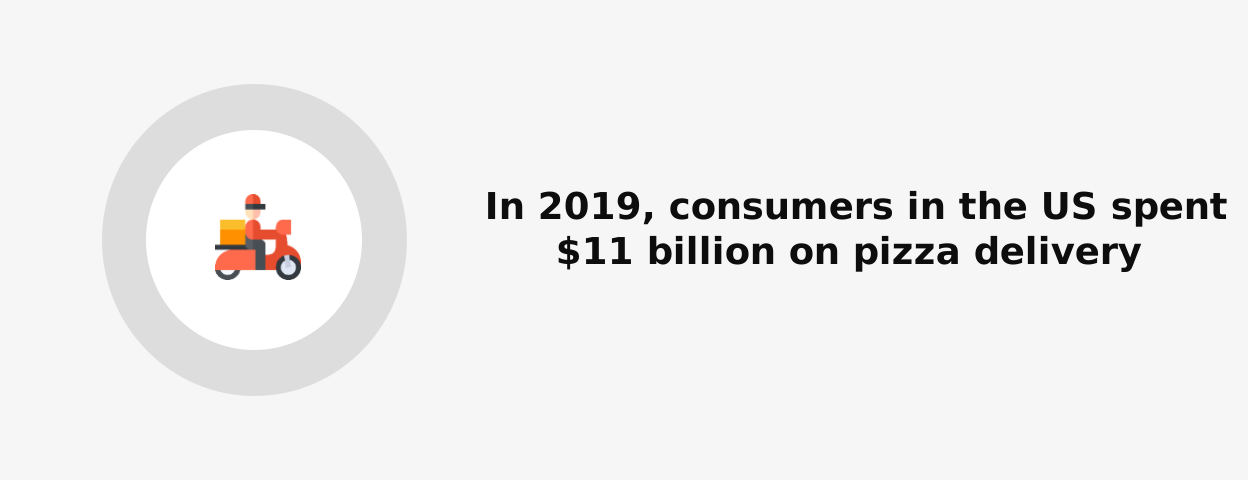
31. In 2019, consumers in the US spent $11 billion on pizza delivery. (Comfy Living)
32. An 18% increase in customer spends from online or mobile orders versus phone orders was reported by pizza chains. (Upserve)
33. The number of orders for buffalo chicken pitas in Alabama is 201% higher than the baseline order volume for buffalo pitas in the US as a whole. (Eater)
34. Cauliflower pizza rose to 650% in popularity in 2019. (Comfy Living)
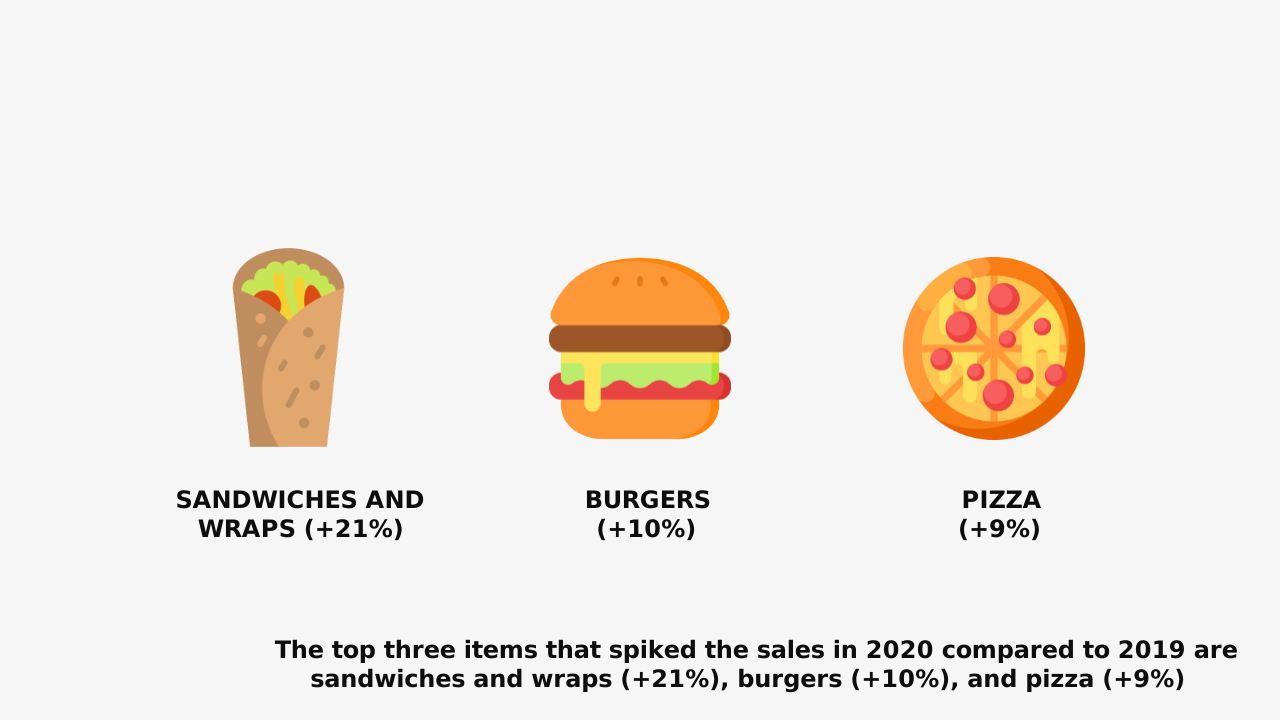
35. The top three items that spiked the sales in 2020 compared to 2019 are sandwiches and wraps (+21%), burgers (+10%), and pizza (+9%). (Upserve)
36. Only about 2% of the consumers preferred to order BBQ. (Upserve)
37. In 2020, the spicy chicken sandwich experienced a nearly 300% rise in popularity on Grubhub. (Bake)
38. Chicken is the most common delivery item among food delivery services GrubHub and DoorDash users. (Eater)
39. According to a Grubhub study, a majority of 2019’s top foods are comprised of vegetarian or vegan-friendly options. (Food Navigator)
40. Indiana had the fewest vegan meal orders while, the state of New York ordered mostly vegan meals, followed by California. (Comfy Living)
The rise of food delivery has become a major trend among consumers across all demographics. This also means that there is a new entity between restaurants and their patrons, which introduces several customer services, branding, and profitability challenges. Let us look into the demographic statistics to understand how prevalent the use of these multi-restaurant delivery websites/apps is, as well as their relative popularity.
41. 41% of consumers use a multi-restaurant delivery website/app at least once within 90 days, (Zion and Zion)
42. Of those who have used these multi-restaurant delivery websites/apps, nearly 50% have only used them once or twice in the past 90 days, (Zion and Zion)
43. In large suburbs, online ordering rose by 3,868% between February 2020 and April 2020. (Upserve)

44. Younger and wealthier Americans continue to favor ordering delivery while their older and poorer group has not raised their buys to any notable extent. (Axios)
45. Between February and March, the percentage of parents using delivery apps increased from 16% to 20%, while non-parents saw their share increase from 27% to 28%. (Axios)
46. 34% of consumers aged 18–24 use online services for food delivery to get food from restaurants that don’t provide their own delivery services. (Comfy Living)
47. In 2018, 59% of Grubhub users were men who ordered at least once a week. (Comfy Living).
48. Men Grubhub users mostly ordered burgers (31%), BBQ (27%), and Chinese (23%) while female Grubhub users preferred Chinese (32%), Mexican (27%), and burgers (25%). (Comfy Living)
50. The less income a customer earns, the more likely the customer is to take benefit of restaurant delivery services. (Zion and Zion)
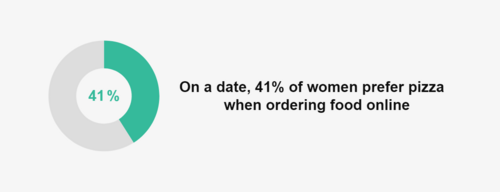
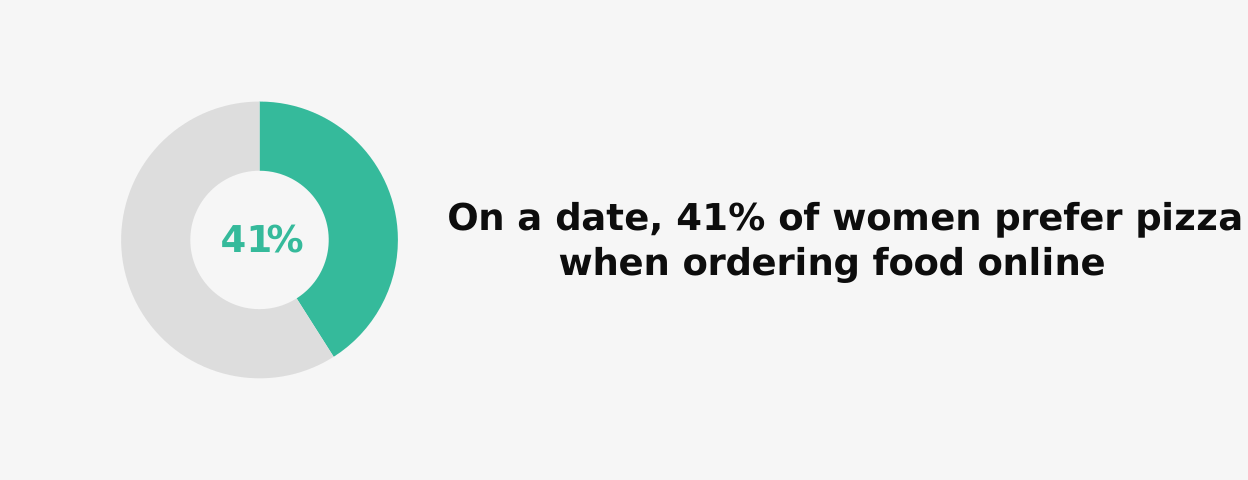
49. On a date, 41% of women prefer pizza when ordering food online. (Comfy Living)
The popularity of ordering food online is remarkably swift. The fact that Americans enjoy the dining out experience is undeniable. But consumers want to enjoy their favorite restaurant meal in the comfort of their own home. This is creating an opportunity for restaurants to offer delivery services or partner with a third-party provider. The online food delivery market is expected to grow further and faster in the coming years. Saying so, we conclude this report on food delivery statistics.