x




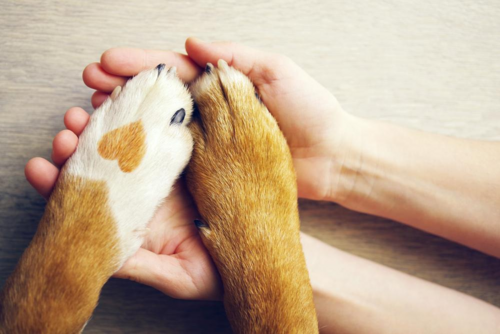

Over 70 percent of dogs display some type of anxiety, as found in a 2020 study of almost 14,000 pet dogs. Some of the most common causes of stress and anxiety in canines, the research found, include noise (think thunderstorms of firecrackers), separation anxiety, fear of specific surfaces, and fearfulness of strangers. Canine anxiety and stress should be taken seriously because these conditions can make dogs more vulnerable to disease and decrease their lifespan. How can you spot anxiety or stress in your pet, and what steps can you take to induce a state of calm and relaxation in your dog?
Watching out for common signs of anxiety
Signs of anxiety in dogs include excessive biting of furniture and personal items (especially when owners are away from home), shivering, panting, running away from home, digging, and self-harm (via excessive chewing of the paws and tail, for instance). Signs can also be subtle and can include licking lips, looking away, and lifting a paw. Try and identify your dog’s source of stress – for instance, fireworks on New Year’s Eve, loud parties next door, or separation anxiety. Next, adopt a targeted strategy to address the source of stress.
Considering changes on key occasions
If you know your dog gets anxious or scared every New Year’s Eve or Fourth of July, consider taking him to the home of a trusted friend or family who lives far from loud noise, on the night or day of the big event that upsets them. There are natural, herb-based supplements and pheromone sprays that can be used to calm dogs down, but when fireworks or thunder is especially loud, these may not produce the dramatic results you wish. For loud noises, try a ThunderShirt. This is a special garment that applies compression to your pets body, thus helping them feel more secure. If you have the budget for it, consider soundproofing at least one room in your home; it will make a perfect oasis for your dog when the outdoor environment can’t be controlled. Above all, stay calm. A study published in Nature’s Scientific Reports shows that when owners are stressed, dogs tend to mirror that emotion.
Including exercise in your dog’s daily life
Young, fit, healthy dogs usually enjoy having at least two long walks a day, as keeping them cooped up indoors can lead to stress and acting out via chewing, barking, howling, pouncing, and the like. Exercise can have many added benefits. A daily run, walk, or other canine workout can battle doggy weight gain, helping dogs feel more agile and motivated to run, jump, and reach for higher ground. Did you know that being just 10 percent overweight can have serious health consequences for your dog, or that half of all companion dogs in the U.S. are overweight? You should see exercise as a big investment in your dog’s physical and mental health. Its range of benefits is wide and includes cancer prevention, slower aging and bone loss, and reduced anxiety, depression, boredom, and stress.
Key steps for separation anxiety
Separation anxiety is usually tackled by desensitization. Owners take several days or weeks to practice leaving their pet at home for a few minutes, then hours, then half a day, then a full day and as follows. The aim is to leave calmly and let your dog know that even if you are away for longer periods, you will always come home. Take this one slowly, starting your training during vacation time, or a time of the year in which you are home most of the time.
Stress and anxiety should be taken seriously in dogs because they can hamper their physical and mental wealth. Strategies include visiting the vet to find out causes for altered behavior, strategies to take dogs away from the source of stress, and desensitization training for dogs with separation anxiety. Regular exercise, meanwhile, can help dogs stay fit and trim, but also help keep depression and anxiety at bay.