x




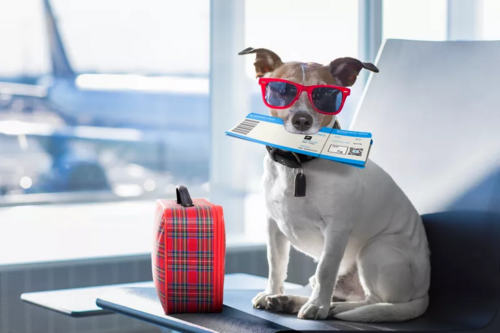

Pet Travel: THINGS TO DO
When traveling with older pets, it is always best to prepare. Here are some of the significant things you and your fur-baby should do to make the most of your travel together.
Visit your vet. Have your fur-baby undergo a general checkup a week or two before your travel date. This way, your vet is able to properly diagnose your dog if they are fit and healthy enough for travel. To make crossing state lines a lot easier, ask your vet to issue you a certificate saying that your dog has updated vaccinations and is in perfectly good health to travel with you.
Make sure your dog has a flea and tick preventive. When traveling, the risk of your dog getting flea and ticks is high. According to Pet WebMD, the warm, soft, and thick fur of your fur-baby presents the ideal environment for fleas and ticks. They feed on your dog's blood and can cause health problems ranging from allergic reactions to serious and life-threatening tick-borne illnesses. Your dog can get flea and tick anywhere, especially outdoors!
Update your dog’s IDs. Identification tags and microchips of your fur-baby must be kept updated before you travel. Tags and microchips are there just in case your dog gets lost, gets stolen, or tries to escape in the middle of nowhere. Can you imagine what a horror that is? Though these do not give you the guarantee that your dog is 100% lost-proof, it (at least) increases the chances of your dog being found and being reunited with you.
WHAT TO BRING
When traveling with an older dog, ensure that you have all the necessary things you need to give them a comfortable ride. This is also to help you avoid going back home or having a number of stops just to buy what you forgot to bring.
Dog food. Dogs are routine-loving creatures and they don’t like sudden changes. Bringing the same dog food they were used to having at home will help lessen their traveling anxieties and will prevent them from having GI issues due to an abrupt change of diet. Also, don’t forget to bring water and bowls.
First-aid kit. Always better to be safe than sorry. Preparing your dog’s first-aid kit will be able to help you avoid panic in case any medical emergency happens. Your first-aid kit should contain bandages, strips of clean cloth, scissors, a digital thermometer for dogs, sterile saline wash, water, medicines (for maintenance, for allergic reactions, for bleeding), and some sugar tablets in case your dog experiences low blood sugar. This kit will save your fur-baby’s life in so many ways.
Chews. There is a possibility that your fur-baby may get stressed out or bored when traveling (we do get that!).
Dog diapers and belly bands. We can always hit the brakes and call for a bathroom break but our fur-babies can’t. Controlling the urge to pee or poop, especially for senior dogs, can be tough and many fail to do so during long trips. Pack Pet Parents® Washable Dog Diapers and Belly Bands when traveling with a senior dog to avoid accidents inside the car (or to places you’ll go), and particularly to make them feel comfortable all throughout the trip.
Extra clothing or blankets. Senior dogs are more receptive to heat and cold temperatures. You want to make sure they’re comfy and warm when traveling.
WHEN TRAVELING BY CAR
Here are some things to keep in mind when traveling by car with your senior fur-baby:
Probably one of the safest ways your senior dog can travel with you is when you secure them in a traveling crate that’s comfortable for them, where they can still stand up and stretch themselves. If your dog is secured and confined, the risks of them getting injured and climbing on your lap while you are driving are very less likely.
Most dogs love to stick out their heads to get a glimpse of the many scents on the road and to enjoy the breeze. Though this is typical for dogs to do, don’t allow your fur-baby to do this. There are dirt and maybe debris flying along and may hurt your fur-baby’s eyes.
Whenever you’re out for a bathroom break, don’t leave your dog alone inside your car.
Some dogs are not really big fans of traveling. Some of them will get motion sickness and some will be anxious.
WHEN TRAVELING BY PLANE
Here are some things to keep in mind when traveling by plane with your senior fur-baby:
Make sure to arrive at the airport earlier for rehearsals. Airport rehearsals are very essential, especially for dogs who are not frequent flyers. Rehearsals will help your fur-baby adjust to the noise, sights, and smells in the airport.
There really is no problem with old dogs traveling by plane as long as they are healthy. But the only safe place your fur-baby can travel with you if you are flying is in the cabin with you. You can place your fur-baby inside a pet carrier or if they are too big, you can skip the carrier and just have them settled under the seat. The ASPCA recommends you follow these air travel guidelines when traveling with your senior dog.
Always check with your airline’s policies. Some airlines require dogs who are over seven years old to go through comprehensive and thorough health screening.
Never give any tranquilizers to your dog. This can greatly interfere with their proper breathing, especially when the pressure and altitude increase.