x





Recovering from an injury or surgery can be a frustrating, lengthy ordeal. Accelerate the rehab process and stay in shape. It can be done. Here's how ...
Recovering from an injury or surgery can be a frustrating, lengthy ordeal. Accelerate the rehab process and stay in shape. It can be done. Here’s how …
A body in motion stays in motion. Gone are the days of bed rest and prolonged immobilization when healing the body. Today’s physicians recognize the benefits of an active approach. It is often best to return to some form of light exercise, if only basic movements from a reclined position. Slowly incorporate Pilates for healing power.
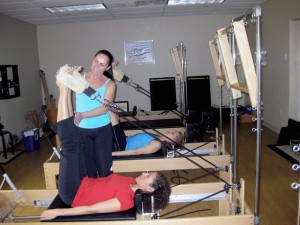
The Pilates Reformer may appear intimidating. Looks are deceiving. Stay in shape, even when you're down.
Named after its creator, Joseph Pilates, this form of exercise originated to rehabilitate sick and disabled soldiers during World War I. Its intended purpose was solely to heal and help the recovery process. From his own hospital bed, Joseph created the precursor of today’s Reformer. The body’s core (stomach and back muscles) is the focus, with fluid movements expanding the workout to the entire frame.
As Pilates grew in popularity, Pilates practitioners discovered many additional uses for it. It became a fitness method, ideal for improving neuromuscular coordination, flexibility, and balance. It grew into a sport specific training program to help improve performance. Full circle, it is increasingly used again as a form of rehabilitative exercise.
Pilates remains a successful formula to help prevent injuries and surgical procedures. It has the impressive ability to systematically strengthen, stabilize, and stretch the body in need. An added perk: The Pilates practitioner recovers while simultaneously improving (or developing anew) his/her fitness capacity.
With meticulous attention to breathing, form, and movement execution, Pilates strengthens weak or injured muscles and joints without neglecting the body as a whole. It remains gentle on joints to prevent stress, which makes it a perfect form of exercise for a recovering body.
Pilates manages to work even the smaller muscle groups buried deep within the body. This complete approach strengthens “beyond the surface” to quicken results. Unlike some other forms of exercise, Pilates doesn’t introduce additional stressors that may lead to injury during the body’s weakened state.
Tuning In
Pilates enhances bodily awareness. Through recognition of chronic imbalances and weak areas– and we all have them, regardless of injuries or rehab– Pilates improves with each workout. Results are more effective and efficient.
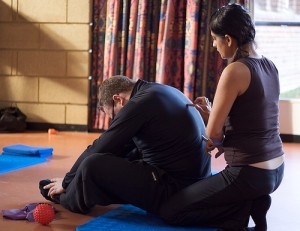
Focus on the core. Be centered.
With a focus on the core, Pilates creates a long, lean, integrated body and mind. It nourishes and encourages healing by bringing mindfulness to movement. Although mindfulness can be incorporated into any fitness program, the dynamics of Pilates make it an essential element. In many ways, it is similar to yoga and other practices of ancient origin. It relies upon meditative breathing and total absorption to transform the body through muscle and mind power.
Do not underestimate the influence of these controlled, mindful movements. A form of resistance training, Pilates can work up a sweat and even provide cardio benefits. You’ll be ready for a post-recovery, high-intensity workout after a Pilates commitment. Yet, its no-impact nature, and gentle ability to improve through core strengthening, can make it part of the rehabilitative process. The entire body benefits without strain.
.png)