x



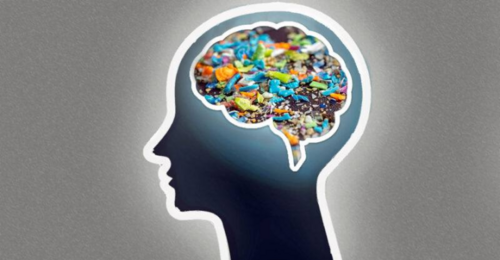
Scientists suspect microplastic contamination in our brains may cause cognitive impairment, neurotoxicity and altered neurotransmitter levels, which can contribute to behavioral changes.
The plastics industry sold consumers on the idea that plastic was recyclable and therefore sustainable even though they knew it was financially unfeasible. Consumers were also deceived by the addition of recycling codes on plastic products. The code makes it seem as though all plastic is recyclable, which isn’t true.
We live in a throwaway society, and products intended for short-term consumption are packaged in materials that will survive for centuries. Discarded plastics make up 18.5% of landfills and 90% of all trash entering the world’s oceans.
At the rate we’re going, estimates suggest that by 2050, our oceans will contain more plastic than fish by weight.
In some ocean waters, plastic already exceeded plankton by a factor of 6-to-1
The problem with plastic is that it doesn’t biodegrade; it photodegrades, which takes hundreds of years. Researchers estimate a single plastic coffee pod may take up to 500 years, the duration of the Roman Empire.
Even as it breaks down, it doesn’t completely vanish. Instead, it turns into tiny plastic particles, commonly referred to as “nurdles,” which act like sponges for toxic chemicals.
These particles are routinely consumed by filter feeders in the ocean, slowly poisoning them and causing blockages.
As these filter feeders are consumed by larger creatures, the toxins move up the food chain, ultimately ending up in our own bodies.
Plastic chemicals also enter our bodies through other routes, including drinking water.
Plastic in water can enter your brain.. “The researchers also believe that microplastic contamination in our brains can cause short-term health effects such as cognitive impairment, neurotoxicity and altered neurotransmitter levels, which can contribute to behavioral changes