x





With so many of us staying inside and trying to avoid medical visits when possible, it’s especially important to try to avoid injuries at home. Particularly as we get older, falling can be dangerous. In fact, the Centers for Disease Control and Prevention reported that from 2007 to 2016 there was a 31% increase in the national rate of older adult deaths from falls.1
That’s why it’s important to prevent trips, slips, and falls. And the best time to start reducing that risk is right now. So, whether you’re trying to reduce your risk of fall-related injuries later in life or are concerned about an aging loved one or parent, here are a few tips to consider:
1. Strengthen your muscles and bones
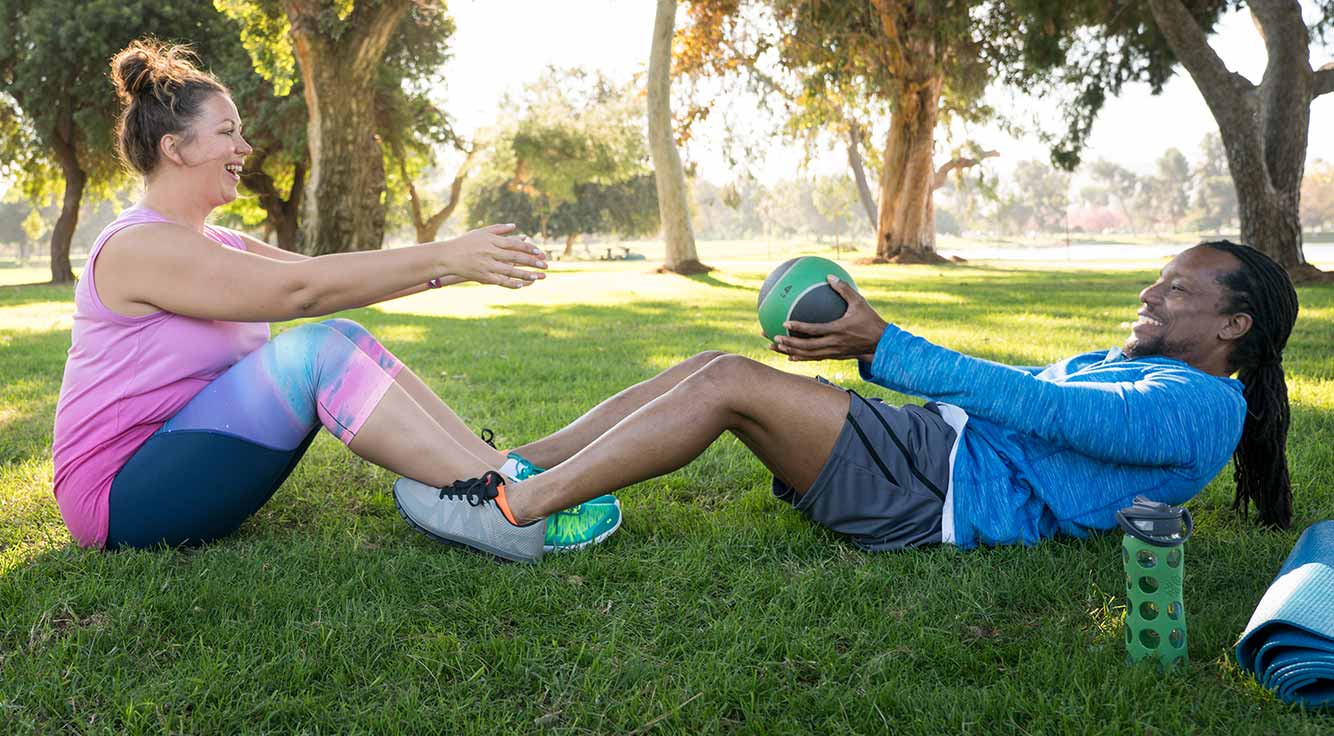
Having strong muscles can help you keep your balance and stabilize your joints — specifically your ankles. Doing regular calf and ankle strengthening exercises — like heel and chair rises, balancing on one leg, and squats — can help. Consistently practicing gentle exercises that you may be able do at home, like tai chi or yoga, can also help build stability.
And when you strengthen your muscles, you’re making your bones stronger, too.2 Having stronger bones means you’re less likely to experience a fracture or break if you do fall.
2. Learn about your prescribed medications
If you’ve noticed a sudden change in balance, medication could be the culprit. Because fall-related injuries and deaths are on the rise, researchers at the University of Washington and Kaiser Permanente Washington Health Research Institute are looking for ways to reduce the risk. They started a study to find out if reducing certain medications can prevent the likelihood of falls among seniors. The study is focusing on medications prescribed for anxiety and insomnia, which are often taken with pain relievers. But there are other medications that may also affect balance.
In general, it’s a good idea to see if current prescribed medications may make you or your loved ones more prone to falls. Learn about the side effects — and talk to your doctor about any concerns you may have. Also, ask your doctor about potential medication combinations that could result in dizziness, weakness, or sleepiness.
3. Take care of your feet
Your feet are an important part of your stability. You can avoid falls by:
4. Take your time
If you ever get light-headed when getting up too quickly, be sure to take your time. When getting up from a lying-down position, try to sit up slowly and count to 10 while still seated. Then, once you stand up, give yourself a few moments to adjust before starting to walk.
5. Get enough rest
You’re the best judge of when you need rest, so listen carefully to your body. We’re more prone to accidents when we’re feeling exhausted or worn out. And if you’re ever feeling dizzy or weak, seek medical care as soon as possible.
6. Stay hydrated
When your body isn’t getting enough water, you’re more likely to experience light-headedness, dizziness, or loss of consciousness. Staying properly hydrated — especially during warmer weather — helps keep your body well balanced.
7. Fall-proof your home
Accidents at home can be caused by clutter, slippery flooring, or poor lighting. To stay safe, you’ll want to keep rooms free of clutter and be aware of anything that could cause someone to trip, like raised thresholds, frayed carpeting, and loose flooring. If something spills, mop it up as soon as possible.
Also, keep your home well lighted and change burned-out bulbs when it’s safe to do so. However, avoid using a ladder or step stool whenever possible. And try to keep everything you need on shelves that are easy to reach.
8. Talk to your doctor
The best way to create a fall-prevention plan is by talking to your doctor. Set up a phone appointment, if available, to discuss your medications, history of falls, and current health conditions. Or email your doctor’s office to ask about these things. Together, you can work to lower your risk of falling with a prevention plan that works best for your situation.
.png)