x





A major challenge for anti-aging medicine Preventing the aging of the body requires combating a set of physiological and psychological processes. Indeed, several mechanisms contribute to the decline of the functions of the organism 3. They arise in reaction to various parameters which can be intrinsic or extrinsic. Aging can indeed be the consequence of genetic factors but can also be accelerated by certain environmental factors. We think in particular of the stress of everyday life and air pollution.
A profound change in metabolism
If the progressive aging of the organism remains invisible during part of the life, the effects of age are then felt by various symptoms. Among them, several are due to a profound change in metabolism. This involves an overall change in body composition with a decrease in lean mass and an increase in fat mass. Lipid metabolism is not the only one affected by the effects of aging. Altered carbohydrate metabolism may occur with a change in glucose tolerance. This is particularly the case in obese people and diabetics who see their level of insulin resistance increase with age.
Solutions against the decline of metabolisms
Researchers have managed to identify several molecules to fight against changes in metabolism. For example, nicotinamide riboside, a rare form of vitamin B3, is popular in antiaging medicine for boosting the body's metabolism and promoting fat burning. Another therapeutic avenue has also been proven to oppose the decline of metabolisms. This consists of restoring a key metabolic enzyme: AMPK (adenosine monophosphate-activated protein kinase). Over the years, the activation of this enzyme decreases. To restore the enzymatic activity of AMPK, the researchers identified three natural extracts: Berberis vulgaris, Gynostemma pentaphyllum and Buxus sinica.
Protect the cardiovascular system
Senescence of the cardiovascular system
 Throughout life, the cardiovascular system has to cope with numerous attacks. With age, these unfortunately tend to impact the structure of the heart and blood vessels. Structural changes begin to appear, for example with an increase in heart mass, degeneration of heart valves, thickening of the wall of blood vessels. Gradually, these alterations disrupt the proper functioning of the cardiovascular system, which manifests itself in particular by a loss of elasticity of the cardiovascular tissues, a loss of contractility of the cardiac muscle and a decrease in cardiac output.
Preventive cardioprotective solutions
Several studies have been carried out to combat the aging of the cardiovascular system. Researchers have identified powerful protective agents like antioxidants. Among them, we find for example the famous antioxidant of grapes: resveratrol . At the origin of the famous "French Paradox", this substance is available in nutritional supplementation alone or associated with other powerful antioxidants
ushroom: reishi . Nicknamed the "mushroom of immortality", the latter is highly prized in anti-aging medicine. A molecule, thenicotinamide mononucleotide , has also been put forward to counteract the effects of aging on the cardiovascular system.
Support and strengthen cognitive abilities
Age-related cognitive decline
Studies have shown that aging is often associated with a decrease in the number of neurons and certain neurotransmitters. It is this decline that may explain the decline in cognitive abilities such as memory, attention and concentration.
Powerful Neuroprotective Formulations
To prevent and combat cognitive decline, neuroprotective agents have been identified in recent years.
Preserving the mobility of the body
The fragility of the human body in the face of aging
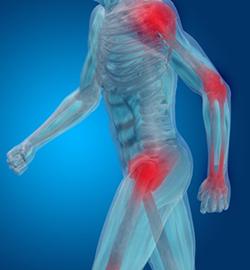 The structures of the musculoskeletal system are also damaged over time. Aging disrupts muscle function, with a gradual decrease in muscle mass, volume and strength. Bone density is also impacted, which leads to bone fragility. In the joints, the structure of the cartilage is degraded, which leads to the occurrence of joint disorders.
Solutions to protect the structure of bones, cartilage and muscles
To fight against the degradation of locomotor structures, dedicated formulations have been developed.
Scientific research has thus made it possible to provide numerous solutions to combat aging.
More recently, studies have paved the way for a new anti-aging medicine, which would delay or even reverse the aging process. These findings include repairing damaged DNA , activating stem cells, and lengthening telomeres .
.png)