x




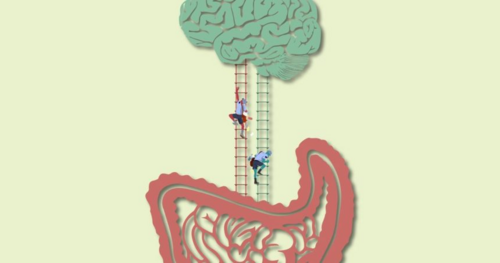

Probiotics for…stress reduction? Is that a thing? Actually yes, it is, in part. Scientists have coined a new term, called the “gut-brain axis.” It has been suggested that changes in intestinal bacteria may play a role in neuropsychiatric conditions like stress. The intestine actually has its own nervous system as it turns out, and it generates many of the same chemicals (neurotransmitters) that the brain generates, like serotonin. These neurotransmitters are very important to the gut; too many or too few may result in constipation or diarrhea. Let’s take a quick trip down the gut-brain highway and see how they are connected.
Have you ever had the feeling of “butterflies” in your stomach? You know, that fluttery feeling we sometimes get before a big test, a speech, a first date? Well, this sensation suggests that your brain and gut are connected in some way. Your gut may affect your brain health, and brain may affect your gut health, which is known as the gut-brain axis.
So how are they connected? Your gut contains 500 million neurons, which are connected to your brain through nerves in your nervous system. The vagus nerve is one of the biggest nerves connecting your gut and brain. It sends signals in both directions. For example, in animal studies, stress inhibits the signals sent through the vagus nerve and also causes gastrointestinal problems1 (Robertson, 2018). This shows that the vagus nerve is likely very important in the brain-gut axis and its role in stress.
Your gut and brain are also connected through chemicals called neurotransmitters, as mentioned above. The neurotransmitter serotonin, for example, contributes feelings of happiness, and also helps control the body’s internal clock2 (Pasricha, 2017). Many of these neurotransmitters are actually produced in your gut by the trillions of microbes living there. A lot of serotonin is produced in the gut as well. Your gut also produces another neurotransmitter called gamma-aminobutyric acid (GABA) which helps control feelings of fear and stress.
Did you know that your gut-brain axis is also connected through your immune system? Your gut and gut microbes control what is passed into the body and what is excreted, which plays a role in your body’s inflammation. There are a few foods and nutrients that are especially beneficial for the brain-gut axis, one of which is omega-3 fatty acids. These fats are found in high quantities in the human brain and have been shown to increase the good bacteria in the gut, and reduce the risk of brain disorders. Best sources of omega -3 fatty acids include oily fish, fortified eggs and chia seeds. Fermented foods are also helpful for the brain-gut axis, including yogurt, kefir, and sauerkraut, since they each contain healthy microbes like lactic acid, which can impact healthy brain activity.
Some probiotics have been shown to improve symptoms of stress. One study of people with irritable bowel syndrome and anxiety showed that taking a probiotic containing Bifidobacterium longum for six weeks significantly improved symptoms3 (Bousvaros, 2017). Prebiotics can also play a role too. As a refresher, a prebiotic is a type of dietary fiber that feeds the friendly bacteria in your gut. This helps the gut bacteria produce nutrients for your colon cells and leads to a healthier digestive system. One study found that taking a prebiotic called galactooligosaccharides (GOS) for three weeks significantly reduced the amount of the stress hormone called cortisol.
Strengthen your gut-brain connection by incorporating a probiotic in your routine, and support healthy digestion, immune health, and even aid in stress relief!
.png)