x




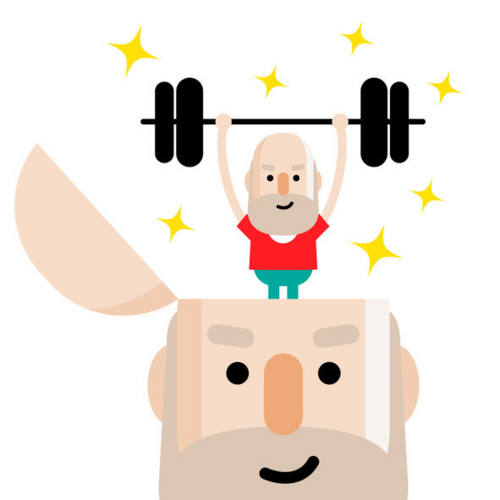
Many people begin to notice changes in memory by around age 50. A typical sign of this mild forgetful-ness is difficulty recalling a word or name that once came easily to you. As your body ages, so does your brain, and as the structure of the brain ages, so does its ability to process information quickly. Memory can falter as a result of stress, anxiety, fatigue, distractions, or being overloaded. Memory difficulties may also be caused by medications, poor vision or hearing, sleep disturbances, depression, or chronic pain—all things you can take steps to correct.
Cardiovascular fitness is also tied closely to brain health and memory. Any condition that compromises heart health and blood vessel flexibility can also affect memory and other mental skills. Similarly, research has linked diabetes and obesity to poorer brain health.
The good news is that many age-related memory slips are perfectly normal and not necessarily signs of dementia due to brain diseases like Alzheimer's. There are also simple ways to help sharpen your everyday memory.
Maintaining your overall cardiovascular fitness is a potent way to preserve memory function. Research also suggests that good nutrition, physical activity, a healthy weight, and remaining mentally active in midlife can help to reduce or delay memory impairment later in life.
Here are some fun-damental strategies for healthy brain aging:
Eat a plant-based diet. Research shows that a diet that contains abundant fruits, vegetables, legumes, nuts, and whole grains—with limited amounts of animal products—is best for cognitive fitness.
Exercise regularly. Exercise has a variety of potentially positive influences on cognitive skills. Exercise enriches the blood (and therefore the brain) with oxygen. During exercise, the body produces sub-stances that help maintain the physical integrity and function of the brain. Regular exercise also supports restful sleep, which is essential restorative "down time" for the brain.
Get enough sleep. To learn new information, you must be able to pay attention, which you can't do if you're not well rested. It's also harder to hold on to memories and retrieve information you've learned previously if you're poorly rested, because the pro-cess in which you solidify recent experiences into durable memories occurs during sleep. It's no coin-cidence that forgetfulness is a common symptom of insomnia.
Manage stress. Stress can be helpful in reason-able doses to motivate you and focus attention. But intense or prolonged stress takes a toll on your health. Long-term exposure to stress hormones can harm the brain—including the hippocampus, a brain region key to memory. Exercise, meditation, restful sleep, friend-ships and other social connections, and a positive approach to life's challenges can all help you manage stress better and optimize memory.
Use it or lose it. Challenging your brain through-out life builds a buffer against the detrimental effects of aging on the brain. People who have led mentally active lives thanks to their education, work, and leisure activities have more cognitive reserve—essentially "extra brain in the bank"—to prevent or delay a decline in mental abilities. It's particularly useful to challenge your brain by learning new skills, such as taking up a musical instrument you haven't played before or studying a foreign language that's new to you. Learn memory techniques. There are many ways to make the most of your existing memory skills. Techniques like these can help you deal with common situations that invite forgetfulness:
.png)