x




The USDA projects the average consumer will eat 222 lbs. of red meat and poultry by the end of this year, exceeding a record previously set by Americans in 2004. Studies have found that excess processed meat consumption can lead to type 2 diabetes, heart disease, and stroke. Additionally, there are global environmental ramifications to meet the growing meat demand. Increased fruit and vegetable intake can help offset and even reverse these health and environmental concerns. Every little action has an impact no matter how small. If you’re interested in learning more, one of the first books I read on this topic was Animal Factory. Investigative journalist David Kirby exposes the powerful business and political interests behind large-scale factory farms, and tracks the far-reaching fallout that contaminates our air, land, water and food.
So how do you increase your fruit and vegetable intake and what is a plant-based diet all about? Plant-based diets include whole grains, fruits, vegetables, nuts, seeds, tubers and legumes. There are different levels of plant-based diets such as: vegan, vegetarian, pescatarian and even flexitarian. However, most of the time, plant-based diets are about the incorporation of these nutrient dense foods. People have been eating and reaping the benefits of plant-based diets for centuries. Regions like the Mediterranean, where plant-based diets are the norm, see lower risks of cancer when compared to their Western counterparts. Similarly, studies have attributed the Japanese’ high longevity rates to their plant-based diet.
In addition to preventing widespread chronic diseases, plant-based diets offer many nutritive benefits at the microscopic level. Phytonutrients are compounds found in a variety of plants. Like micronutrients and vitamins, a balanced diet of fruits and vegetables includes a variety of these compounds that help maintain the body’s system. For example, beta-carotene helps regulate the immune system and vision. Namely, beta-carotene can be found in orange and dark, leafy green vegetables like sweet potato and collard greens. Better yet, they can be prepared in a warm bowl of sweet potato soup or a refreshing collard green hummus wrap.
It can be intimidating adding more fruits and vegetables into your diet. A good starting point is swapping the CRAP (chemicals, refined sugars, additives and preservatives) out with some plant-based alternatives. Instead of chips, enjoy some seaweed, popcorn or tahini roasted chickpeas. Instead of processed meat, try beans or lentils.
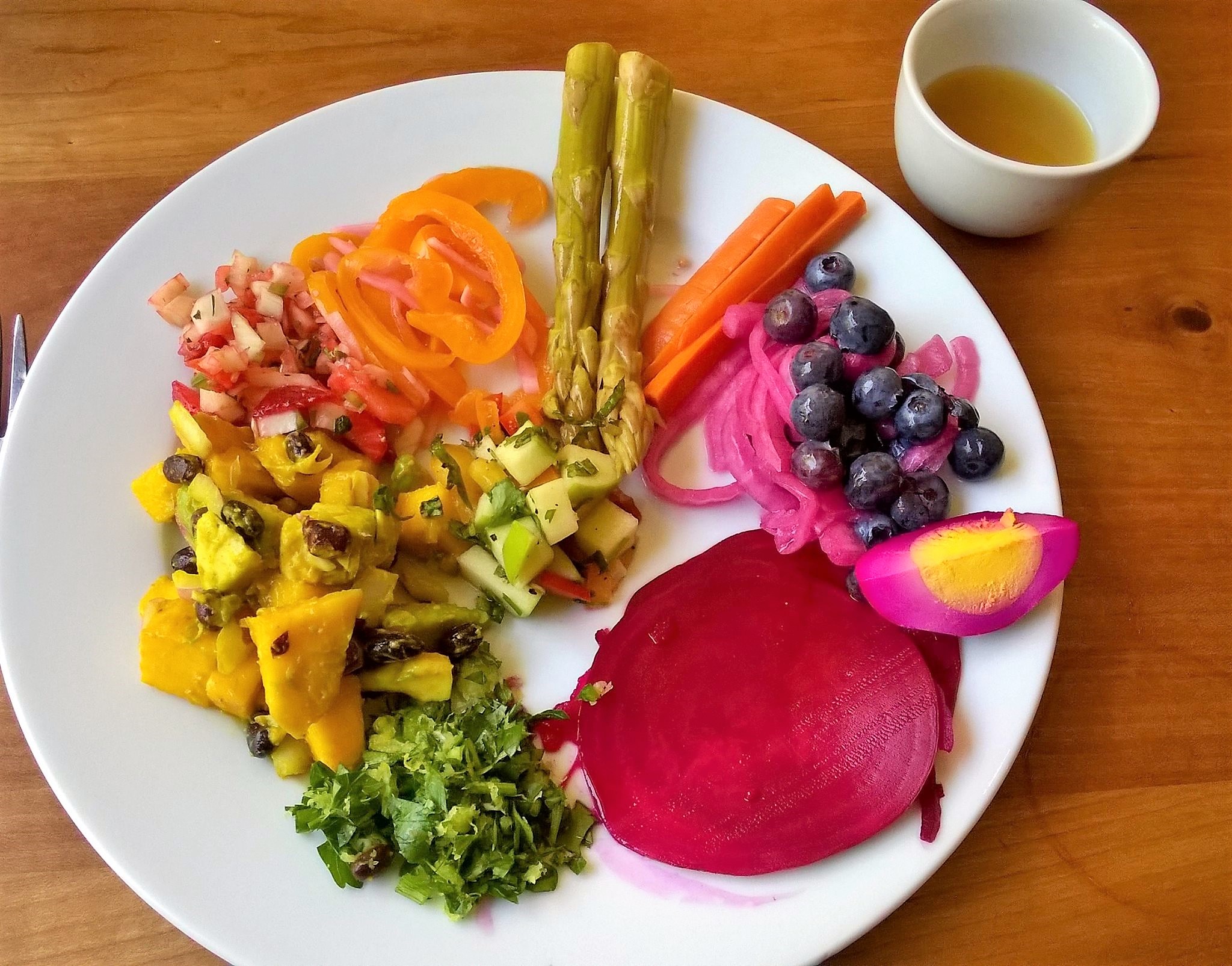
Eat a colorful plate full of vitamins, minerals, phytonutrients and antioxidants. Aim to make 50% of each plate full of veggies. Incorporating more fruits and vegetables adds more nutrients and color to your plate. These rich colors are due to the phytonutrient, flavonoid, found in plants. Flavonoids have anti-inflammatory and immune system benefits. Likewise, polyphenols and antioxidants also offer other disease-finding properties like improving the function of blood vessel formation and overall heart health.
Beyond the molecular benefits, you can see differences in your everyday life too. Eating more fruits and vegetables can lead to higher energy and even improved mood according to a 2016 study. Other perks are aided digestion, lower blood pressure, improved focus, better sleep and sustained weight loss. Many people who have incorporated more plants into their diet have also seen healthy changes with their hair, skin, and nails.