x




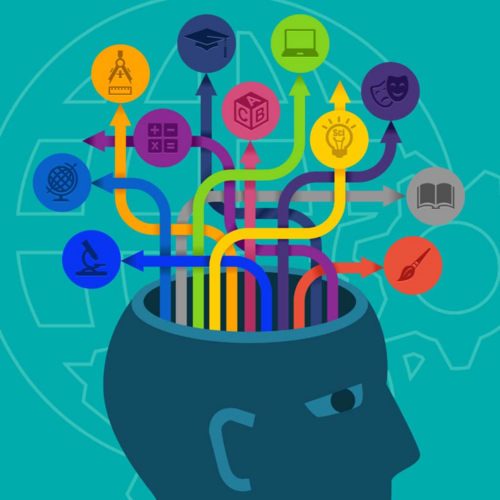
Neuroscience has confirmed that your brain changes throughout your life, a concept known as neuroplasticity. Neuroplasticity is an umbrella term for a sequence of processes taking place in your brain over time in response to incoming stimuli. Your experiences, behaviors, thoughts, and emotions physically change the form and function of your brain. In other words,
Your life shapes your brain.
It used to be believed that neuroplasticity only occurred during critical periods in childhood. While it’s true that plastic change happens much easier in childhood, your brain is capable of making alterations until the day you die. Harnessing the process of neuroplasticity in adulthood isn’t quite as simple as some of the neuro-hype would have us think, but it can be accomplished under specific circumstances.
Neuroplasticity has allowed people who have had strokes and brain trauma to recover functionality. Because of neuroplasticity, congenitally blind people’s brains have figured out new ways to see, and children with cerebral palsy have learned to move more fluidly. People with autism have made cognitive strides once thought impossible, because of the ability of their brains to rewire themselves. Neuroplasticity has also been used successfully to ease chronic pain. The examples go on and on.
Because of neuroplasticity, your habits, thought patterns, and ways of reacting to the world –- good and bad –- get etched into your brain. Worrying about finances. Catastrophizing about that mistake at work that botched the sale. Having a stiff drink to unwind at the end of the day. Replaying the painful memories of your friend’s illness and death over and over. Smoking cigarettes. Getting an internet porn fix.
Whether you want to call them habits or addictions, your regular activities literally get wired into your brain.
Neuroplasticity has possible implications for every aspect of human nature and culture including medicine, psychiatry, psychology, relationships, education, and more. Where it stands to have the most potential is for the person, in their life. Because you can learn to consciously control your thinking, reactions, and behavior, and some of the experiences you have, you can oversee your own “self-directed neuroplasticity” and invite change and healing into your life.
We have grossly underestimated how our minds and brains can help us and the huge role they play in shaping our lives and realities.
.png)