x




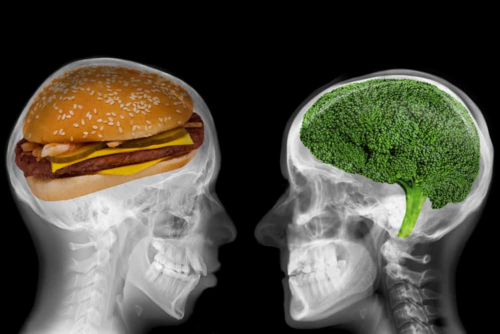

Recognize that your body is a system. Think long-term. What you do today can affect what happens tomorrow. Your breakfast can change your dinner. If you restrict food and nutrients with a fad diet that “starts on Monday”, you might find your body aggressively taking back its energy by Friday.
Eat mostly whole, minimally processed foods. Whole, minimally processed foods are not hyper-rewarding or hyper-palatable. It’s harder to over-eat them. They don’t cause hypothalamic inflammation and leptin resistance. They have lots of good stuff (vitamins, minerals, water, fiber, phytonutrients, disease-fighting chemicals, etc.) and are usually lower in calories.
Choose whole foods that you enjoy and will eat consistently
Eat enough lean protein. Protein is a satiety superstar. We’ve seen in both research and our clients: When people eat more lean protein, they eat fewer calories overall. But they feel more satisfied. Sometimes even like they’re eating “too much”! For most men, this generally means consuming 6-8 palm-sized portions of protein daily. And for most women, this generally means consuming 4-6 palm-sized portions of protein daily.
Eat plenty of vegetables. Vegetables — especially colorful ones — are obviously super healthy. They give you a lot of volume and nutrients for very little calories. And many of them are fun to eat (think crunchy carrots, baby tomatoes, etc.). For most men, this generally means consuming 6-8 fist-sized portions of vegetables daily. For most women, this generally means consuming 4-6 fist-sized portions of vegetables daily.