x




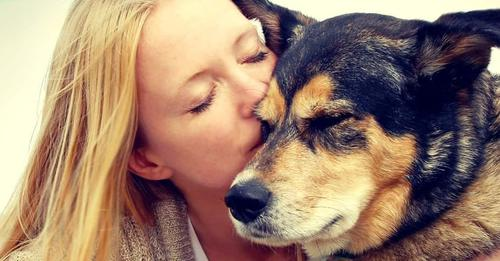
Do you often hold your dog's head in your hands, gazing into his eyes while talking to him? Does the purring of your cat in your lap make your heart swell? Millions of pet parents adore their fur babies, and now science can explain the chemistry behind your love for pets and their love for you.
A Japanese study reported on by Science found that dog owners experienced a jaw-dropping 300 percent increase in oxytocin levels after spending a half hour with their dogs, including time gazing into their eyes. That locked gaze is key, the scientists found. In fact, the scientists saw no oxytocin increase in the dogs and owners who had spent little time looking into each other's eyes.
Oxytocin is a hormone that plays a powerful part in the bonding, trust and altruism between a mother and her infant. It's so powerful, in fact, that it is often called "the love hormone." Like the Japanese study found with dogs, oxytocin is released at its greatest levels between a mother and baby when the two gaze into each other's eyes.
While it can be proven that you have love for pets, have researchers proved that dogs love us back?

Yes, according to the Japanese study and a second study conducted by neuroscientist Paul Zak. The Telegraph reports that Zak conducted a study of ten dogs and discovered oxytocin levels increased by an average of 57.2 percent when dogs spent ten minutes playing with their owners. The Japanese study found that number elevated even more. The dogs in that study showed a 130 percent increase in the "love hormone" after thirty minutes with their owners, including the time gazing into each other's eyes.
What about cats? Cats are often described as standoffish and likely do not require the same amount of affection or care that your dog demands from you. But can you love your cat? Can your cat love you?
Studies on whether humans can actually feel love for their cat are scarce, but Zak tackled the issue of whether a cat can feel love for you by conducting a test similar to the one he conducted with dogs. After ten minutes of play with their owners, the ten cats in Zak's study showed an increase of as much as 12 percent in oxytocin levels. While this is a significantly lesser change than the 57.2 percent increase Zak observed in dogs, it indicates that the effect of contact with humans is similar. The finding was unexpected. "At least some of the time, cats seem to bond with their owners," Zak told The Telegraph.
In perhaps a better indication of love, a study published by Behavioral Processes shows that cats actually like interacting with humans even more than they enjoy eating. A preference for petting over food? Now that is saying something.
So, that feeling of sadness when you have to leave your pet at home while you go to work, and that feeling of excitement your pet gets when you finally come home are signs of true love. Remember that the next time your pet accidentally goes potty in the house or scratches up your furniture.