x





When we think of superfoods, we often think of fruits and vegetables right away – but did you know that seafood can also be considered a part of these powerhouse foods? This is because most seafood is lower in calories compared to other protein-rich foods, like meat and poultry; and, most lean fish and other seafood, like cod, flounder, and shrimp, contain around 100 calories or less per cooked serving. Seafood is also a great source of high-quality complete protein, which is important for building and repairing tissues. A 3.5-ounce cooked portion of most seafood provides at least a third of your daily value for protein.
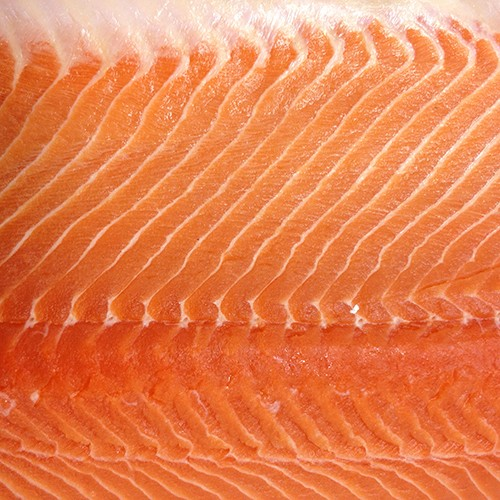
Salmon, in addition to providing at least half of your daily value for protein, is a great source of your omega-3s DHA and EPA, which help decrease triglyceride and cholesterol levels, lower blood pressure, and ultimately reduce your risk for heart disease.
In order to see these benefits, the American Heart Association recommends eating at least two, 3.5-ounce servings of fatty fish, like salmon, per week. When choosing salmon, be sure to stick with wild as opposed to farmed, because it contains less contaminants and provides more vitamins and minerals, such as your B vitamins, potassium, zinc, and iron. Pair salmon with asparagus and a pepper puree for an easy, heart-healthy dinner.
Fresh tuna, such as a Bluefin tuna steak, is also an excellent source of the heart-healthy omega 3s mentioned above. Although tuna in a can or pouch contains less omega-3s than fresh tuna, it still contains a significant amount. Also, it’s a very cost-effective source of protein, and the lower fat content means canned tuna contains fewer calories per serving than fresh tuna. Try making a tuna salad by mixing a can of tuna with two, light spreadable cheese wedges and some chopped peppers and celery.
This crustacean is a dieters dream – a 3.5 ounce cooked portion contains only around 80 calories! And, roughly 85% of these calories come from protein. Crab also contains five times the recommended daily amount of vitamin B12, which is important for healthy red blood cell production. T
Shrimp are also a dieter’s dream in that, similar to crabs, are protein-rich and low in calories. You can have Trabout two dozen shrimp for the same amount of calories and protein as a 3.5 ounces of cooked chicken breast.
Scallops are also an excellent source of protein, and contain a good amount of vitamin B12 and omega-3s. The best way to prepare these is to simply pan sear them for a few minutes on each side, and you pair them with a simple sauce or vegetable puree.