x




In the late 1980s and early 1990s, three PhD students at the University of Iowa were developing drugs to combat cardiovascular disease and Alzheimer’s disease.
They started to question the conventional tactic, which was to focus on inhibiting certain biochemical responses. Blocking biochemical processes often comes with unwanted — and sometimes deadly — side effects.
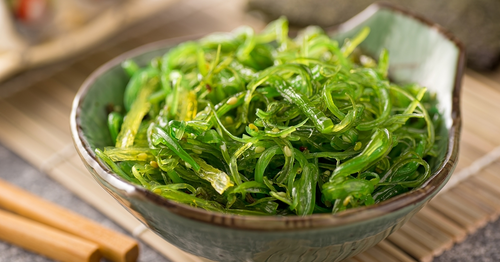
So they switched gears and focused on finding ways to boost the body’s natural defense mechanisms. After years of research they discovered elements in seaweed and algae are powerful antioxidants that can reduce the risk of developing dementia and Alzheimer’s disease.
Read on to discover the power of seaweed-based phytonutrients and how they can help keep you healthy.
These superior compounds come from Ecklonia cava, a red-brown seaweed that grows at least 100 feet under the sea off the coasts of Japan and South Korea.
The compounds are probably best known these days under the brand name Seanol.
Seanol is the registered name of a standardized formula of 13 unique polyphenols and phlorotannins (tannins specific to red-brown seaweed). These polyphenols are also considered flavonoids, antioxidants and anti-inflammatories.
These polyphenols are different from those extracted from land sources.
Antioxidants get their free-radical fighting power from their molecular structure, which is made of interconnected rings. The rings are what capture stray electrons and restore balance to the cells. The more rings an antioxidant has, the more effective it is.
Most land-sourced polyphenols have two or three rings. Green tea catechins, considered one of the most potent antioxidants in the world, have four rings.1
Seanol has eight interconnected rings. Having twice as many rings as any other antioxidant makes Seanol 10-100 times more effective than land-based polyphenols.
It also lasts longer. Most land-based polyphenols are water soluble and have a 30-minute half-life. This isn’t surprising, considering the human body is between 57-60% water.2
But Seanol is 40% lipid (fat) soluble. Its half-life is as much as 12 hours. Because it breaks down more slowly in the body, it’s much more effective.
Being fat soluble also means it can cross the blood-brain barrier (BBB; a kind of biological “firewall” that protects the brain). Once inside the brain, the ingredients in the formula protect neurons from oxidative damage and death. The formula can also penetrate all the cells in the body more effectively than water soluble compounds.
In addition to combatting oxidative damage—and reducing associated inflammation—in the brain and neurons, the antioxidants in Seanol effectively combat peroxynitrites, a specific class of neurotoxic free radicals.3
Peroxynitrites interact with lipids, DNA and proteins in the body and brain. They cause “overwhelming oxidative injury, committing [healthy] cells to necrosis or apoptosis.” These free radicals can also trigger strokes, chronic inflammatory diseases and neurodegenerative disorders.4
In animal studies, Seanol increased the memory-related neurotransmitter acetylcholine by 140% in brain regions responsible for learning and memory.5Readers who have been with us for a while know that acetylcholine is essential to a healthy brain.
Low levels of acetylcholine are associated with an increased amount of beta amyloid plaques and Alzheimer’s disease.6 Researchers have eagerly searched for ways to stimulate the production of this essential neurotransmitter as a possible preventative measure for mild cognitive impairment and dementia.
Another study in rats showed those that received Seanol performed better in a water maze than the control group, suggesting that this seaweed supplement can improve short term memory.7
An in vitro study, published in the Journal of the Korean Society of Food Science and Nutrition, compared the antioxidant levels of various kinds of seaweed and found that Ecklonia cava had the highest total polyphenol content out of 20 varieties.
The researchers found Ecklonia cava reduced neuron death, reduced the levels of beta-secretase (one of the enzymes that create amyloid plaque) and increased acetylcholine.
They concluded, “Ecklonia cava extract has potential anti-dementia activity, which suggests that it might provide an effective strategy for improving dementia.”8
And finally, a study published in the journal NeuroToxicology concluded that the phlorotannins in Seanol can reduce beta-amyloid plaque production by inhibiting amyloid precursor protein (APP), gamma-secretase and alpha-secretase.9
While seaweed provides a rich menu of nutrients, the polyphenols are not very concentrated. You’d have to eat a great deal of it to get the benefits I’ve described.