x




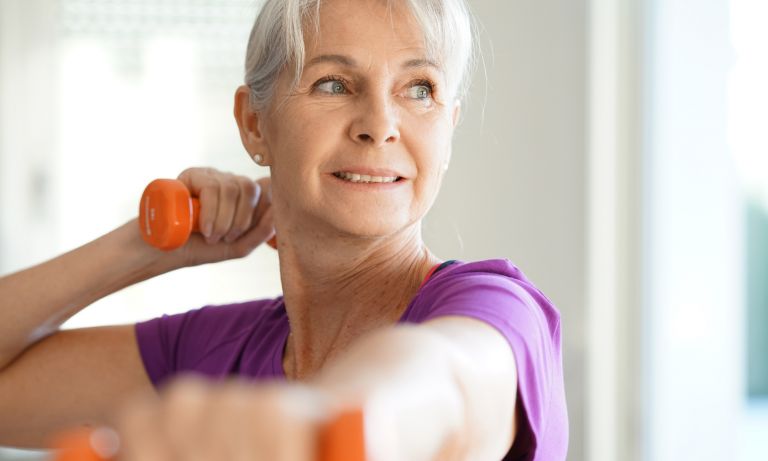
There are many reasons why we tend to slow down and become more sedentary with age. It may be due to health problems, weight or pain issues, or worries about falling. Or perhaps you think that exercising simply isn’t for you. But as you grow older, an active lifestyle becomes more important than ever to your health.
A recent Swedish study found that physical activity was the number one contributor to longevity, adding extra years to your life—even if you don’t start exercising until your senior years. But getting active is not just about adding years to your life, it’s about adding life to your years.
Getting moving can help boost your energy, maintain your independence, protect your heart, and manage symptoms of illness or pain as well as your weight. Regular exercise is also good for your mind, mood, and memory.
Helps you maintain or lose weight. As metabolism naturally slows with age, maintaining a healthy weight is a challenge. Exercise helps increase metabolism and builds muscle mass, helping to burn more calories.
Reduces the impact of illness and chronic disease. People who exercise tend to have improved immune and digestive functioning, better blood pressure and bone density, and a lower risk of Alzheimer’s disease, diabetes, obesity, heart disease, osteoporosis, and certain cancers.
Enhances mobility, flexibility, and balance. Exercise improves your strength, flexibility and posture, which in turn will help with balance, coordination, and reducing the risk of falls. Strength training also helps alleviate the symptoms of chronic conditions such as arthritis.
Improves sleep. Quality sleep is vital for your overall health. Regular activity can help you fall asleep more quickly, sleep more deeply, and wake feeling more energetic and refreshed.
Boosts mood and self-confidence. Exercise is a huge stress reliever and the endorphins produced can actually help reduce feelings of sadness, depression, or anxiety. Being active and feeling strong naturally helps you feel more self-confident.
Does amazing things for the brain. Activities like Sudoku or crossword puzzles can help keep your brain active, but little comes close to the beneficial effects of exercise on the brain. It can help brain functions as diverse as multitasking and creativity and can help prevent memory loss, cognitive decline, and dementia. Getting active may even help slow the progression of brain disorders such as Alzheimer’s disease.
Starting or maintaining a regular exercise routine can be a challenge at any age—and it doesn’t get any easier as you get older. You may feel discouraged by health problems, aches and pains, or concerns about injuries or falls. If you’ve never exercised before, you may not know where to begin, or perhaps you think you’re too old or frail, and can never live up to the standards you set when you were younger. Or maybe you just think that exercise is boring.
While these may seem like good reasons to slow down and take it easy as you age, they’re even better reasons to get moving. Becoming more active can energize your mood, relieve stress, help you manage symptoms of illness and pain, and improve your overall sense of well-being. And reaping the rewards of exercise doesn’t have to involve strenuous workouts or trips to the gym. You can gain the benefits from adding more movement and activity to your life, even in small ways. No matter your age or physical condition, it’s never too late to get your body moving, boost your health and outlook, and improve how you age.
| Six myths about activity and aging |
| Myth 1: There’s no point to exercising. I’m going to get old anyway.
Fact: Regular physical activity helps you look and feel younger and stay independent longer. It also lowers your risk for a variety of conditions, including Alzheimer’s and dementia, heart disease, diabetes, certain cancers, high blood pressure, and obesity. And the mood benefits of exercise can be just as great at 70 or 80 as they were at 20 or 30. |
| Myth 2: Exercise puts me at risk of falling down.
Fact: Regular exercise, by building strength and stamina, prevents loss of bone mass and improves balance, actually reducing your risk of falling. |
| Myth 3: It’s too frustrating: I’ll never be the athlete I once was.
Fact: Changes in hormones, metabolism, bone density, and muscle mass mean that strength and performance levels inevitably decline with age, but that doesn’t mean you can no longer derive a sense of achievement from physical activity or improve your health. The key is to set lifestyle goals that are appropriate for your age. And remember: a sedentary lifestyle takes a much greater toll on athletic ability than biological aging. |
| Myth 4: I’m too old to start exercising.
Fact: You’re never too old to get moving and improve your health! In fact, adults who become active later in life often show greater physical and mental improvements than their younger counterparts. If you’ve never exercised before, or it’s been a while, you won’t be encumbered by the same sports injuries that many regular exercisers experience in later life. In other words, there aren’t as many miles on your clock so you’ll quickly start reaping the rewards. Just begin with gentle activities and build up from there. |
| Myth 5: I can’t exercise because I’m disabled.
Fact: Chair-bound people face special challenges but can lift light weights, stretch, and do chair aerobics, chair yoga, and chair Tai Chi to increase their range of motion, improve muscle tone and flexibility, and promote cardiovascular health. Many swimming pools offer access to wheelchair users and there are adaptive exercise programs for wheelchair sports such as basketball. |
| Myth 6: I’m too weak or have too many aches and pains.
Fact: Getting moving can help you manage pain and improve your strength and self-confidence. Many older people find that regular activity not only helps stem the decline in strength and vitality that comes with age, but actually improves it. The key is to start off gently. |
If you dread working out, you’re not alone. But you don’t have to exercise until you’re soaked in sweat or every muscle aches to make a big difference to your health. Think about activities that you enjoy and how you can incorporate them into an exercise routine:
.png)