x




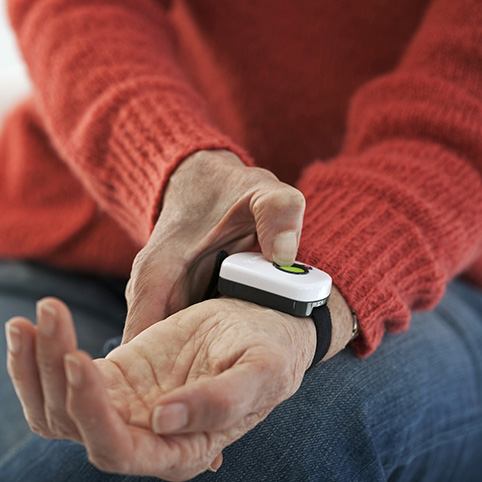
Retirement does not have to mean sitting at home and passing time on the porch. As they age, Americans are staying active, engaging in new hobbies, traveling to wish list destinations and living life to the fullest.
Technology is helping to facilitate active lifestyles by providing a safety net inside and outside the home. New technologies are enabling people to live more fulfilled, healthier lives by keeping them in touch with loved ones and medical teams should an emergency occur.
Many people are already familiar with fitness wearables that track their steps and caloric burn. But as the years go by, there is another wearable technology to consider, mPERS (mobile personal emergency response system).
While most people have smart phones with them at all times these days, they are not always the best option for reaching help if an emergency does occur. mPERS devices are not only able to detect a fall they go beyond the capabilities of a cell phone and are able to auto-dial family or a response team for help if a fall occurs.
The battery life of mPERS devices is far superior to smart phones, lasting up to 30 days in sleep mode, and most devices feature an SOS button that can easily be pressed in an emergency without the need to focus on dialing numbers.
Of course, not all mPERS devices are created equal and it is vital to do research when selecting a device and service provider. People worry about smart devices like Alexa, Google Home and connected televisions listening to everything they do. But seniors who rely on mPERS could truly be at risk for hackers listening-in on their daily lives.
A security flaw in the design of some devices has security experts recommending they be recalled because they can expose real-time locations and let anyone remotely listen in by activating the built-in microphone.
The Chinese-manufactured white-label location tracker that had these flaws was rebranded and sold by more than a dozen companies — including Pebbell by HoIP Telecom, OwnFone Footprint and SureSafeGo – according to researchers at Fidus Information Security.
While it would be impossible to predict every security flaw that could possibly be detected in a device, or to know how creative hackers might exploit a device in the future, it is possible to identify if a manufacturer and service provider is dedicated to user security.
Ask questions and make sure that a device provider is prepared to offer solutions in the future if an issue arises. Before purchasing an mPERS device research any past security issues that have been reported online. Find out how the company dealt with the issue. This is a good indicator to know how any future security issues will be handled. A company that has no information about privacy or user security available is one that you will probably want to avoid.
Beyond the features of the mPERS device, seniors, caregivers and family members comparing these devices need to also consider the technology in the device and the platform on which the device operates.
Research any previous recalls, security breaches, find out how often the software will be updated and if the hardware will be replaced if it becomes obsolete. These steps will help ensure safety and peace of mind at all times.
This recently reported security flaw by no means should keep aging adults from getting an mPERS device. The benefits still outweigh risks and doing research into the quality and customer service that comes with a device will help ensure the best device is selected.
Also, be proactive and reach out to your service provider every six to twelve months to find out if there are any device upgrades you should be aware of, because technologies are always evolving and a new device may be available that better fits your needs.















.png)
