x




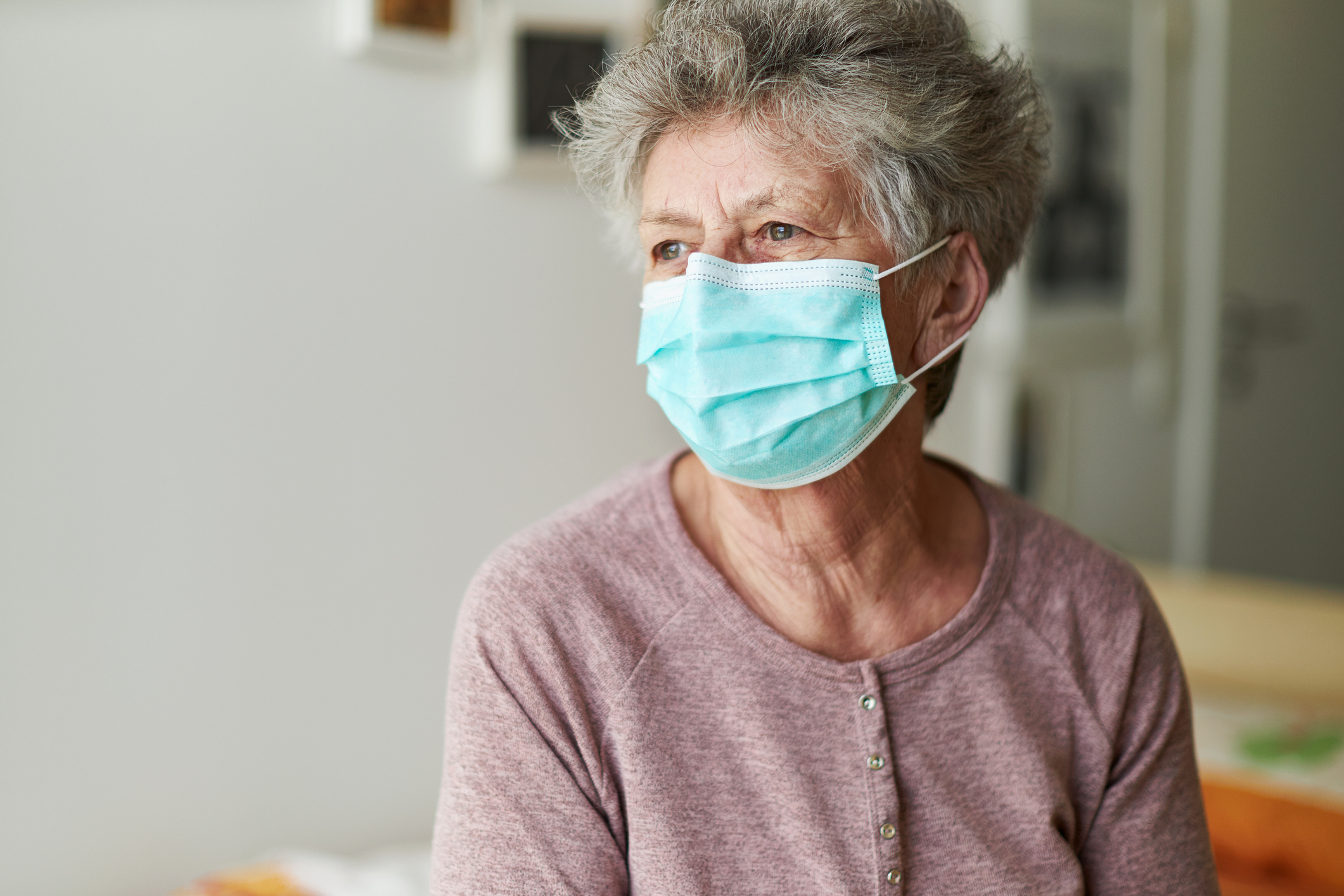
COVID-19 is particularly concerning for people age 65 and older, especially if they have underlying health conditions. The list of those conditions according to the Centers for Disease Control and Prevention (CDC) include:
The list also includes people who are immunocompromised, which includes:
Because senior adults are more susceptible to serious complications from COVID-19 they need a plan of action to follow to keep them safe. And if you are a family caregiver in the home, you need to adhere to the plan with them.
The CDC has identified a number of symptoms consistent with those who have tested positive for COVID-19. However, just because you suffer for these symptoms does not mean that you have the virus:
People experiencing at least two of the above symptoms should contact their physician. However, do not visit the physician’s office or your hospital emergency room until consulting with your physician by phone.
If after speaking with the physician it is decided that emergency services should be called, please share the symptoms of the senior, so that the emergency professionals can be adequately prepared before reaching the home.
Until the pandemic is under control, the best line of defense is to remain at home and practice social distancing.
In addition, follow these other precautions:
Staying at home without human contact can help prevent COVID-19 from having its devastating consequences on seniors, but isolation and the depression that may follow can be devastating for seniors as well.
In any plan of action, ensure you’re taking steps to account for this because it’s a critical time for family members to make contact with senior loved ones. Phone, email, wave through a window, and just let them know you are thinking about them.
THE HOTTEST IN WEARABLE TECHNOLOGY FOR SENIORS: WWW.LIFESTYLEWEARABLE.COM
.png)