x




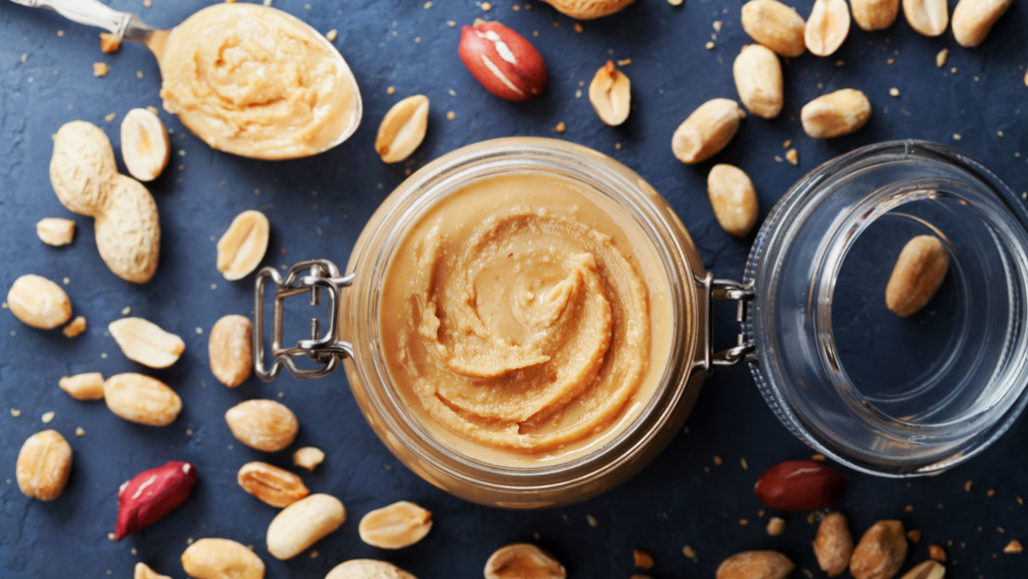
The stomach and intestines of people allergic to peanuts harbor surprisingly high levels of allergy-related cells.
Severe peanut allergies may stem from the stomach and gut.
A surprisingly large pool of cells involved in allergic reactions to peanuts resides in the stomachs and small intestines of allergic adults, scientists report March 5 in Science Immunology.
Identifying the gastrointestinal tract as a prime location for allergy molecules is “a huge step forward,” says Cecilia Berin, an immunologist who studies food allergies at the Icahn School of Medicine at Mount Sinai in New York City. Studies on mice hinted that certain immune molecules are made in the gut, but there has been scant evidence of that in people, she says. “This is the first time that we actually see what is happening in the gut” in people with peanut allergies, she says.
The new findings may point to treatments for people with food allergies, estimated to affect between 3 and 6 percent of people in the United States.
The study focused on an elusive, rare antibody called IgE. Usually present in very small numbers in the body, IgE can sense invaders such as parasites and cause massive immune reactions designed to purge the threat. But in people with allergies, the antibody can go rogue and targets harmless substances, such as peanut proteins.
Immunologists Ramona Hoh and Scott Boyd, both of Stanford University School of Medicine, and colleagues studied tissue from the digestive tracts of 19 allergic adults. These people were about to start a clinical trial designed to test the effects of precise doses of peanut protein on their allergies, one of several such trials (SN: 11/18/18).
The researchers began by studying RNA in cells from esophagus, stomach and duodenum samples. Cells use this genetic material to make proteins, including specific types of antibodies, such as IgE. Tallying up the various RNA molecules in each sample told the researchers which antibodies were present, and where. The method also let them estimate how many cells were churning these IgE antibodies out.
Stomach and intestine tissue from the allergic patients, but not esophageal tissue, was teeming with cells that make IgE, the researchers found. In the stomach, for instance, people without allergies had very few IgE-producing cells. People allergic to peanuts had hundreds of times more, the researchers estimate. “There was so much of it there,” Hoh says. “That’s something we were all really surprised about.”
By comparing the IgE-producing cells, called B-lineage cells, the researchers figured out that many were closely related. “Their family members are around them,” Boyd says. This kinship suggests the cells are being made locally in the stomach and intestine, as opposed to flooding in from other body parts, such as lymph nodes or the spleen.
In many cases, these cells seemed to have morphed from making a different, harmless type of antibody to producing IgE. It’s not clear why these cells might be more likely to make this switch in the guts of people with peanut allergies.
The new analyses also point out similarities among some of the allergic participants’ peanut sensing IgEs: They seem to recognize common parts of the peanut protein. Designer antibodies that could block those troublesome spots, and prevent IgE from getting there first and setting off a reaction, might turn out to be a way to curb peanut allergies.
A similar idea is showing promise for cat allergies (SN: 2/13/20). Researchers at Regeneron Pharmaceuticals have used antibodies to keep IgE away from the troublesome cat proteins. (Regeneron, headquartered in Tarrytown, N.Y., is a major financial supporter of Society for Science & the Public, which publishes Science News.)
Boyd, Hoh and colleagues plan to study IgE levels in some of the same people with peanut allergies after they’ve participated in the clinical trial aimed at easing their allergies. So far, researchers don’t know when these antibody-producing cells first show up in the stomach and intestines, or whether they would start to disappear as allergies fade.