x




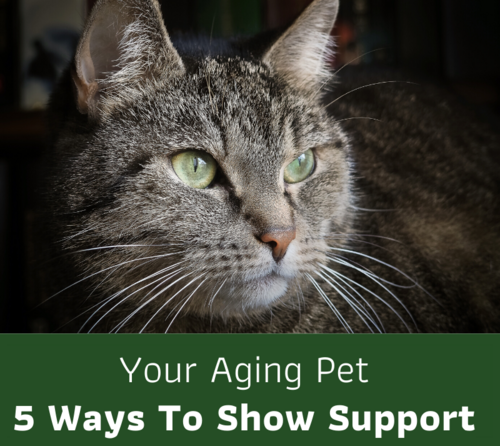

Have you noticed your dog, cat, or rabbit getting a few more white hairs mixed in their coat? As our pets slow down a bit, their needs change and transform to promote healthy, happy aging. While your dog may no longer be a puppy, they will never lose those puppy eyes you fell in love with. And while your kitten has become a cat, they still get bursts of energy and playfulness.
To offer sustained health to keep your pet active, psychologically sharp, and healthy, we have some suggestions that are simple and straightforward.
Repay that puppy love or those kitty cuddles by assisting your senior pet in graceful aging.
Your pet’s weight is a reliable predictor in how they’ll feel during their senior years. Healthy body shape and weight will keep your pet more active for years to come. Reducing extra pounds increases mobility and lessens joint strain and pain.
Pet obesity can increase the risk of some serious health issues.
As memes of chubby pets become more and more popular, it’s important to keep your pet’s wellbeing in mind. As your pet gets older, you don’t want to witness them struggling to get around. Pets want to enjoy getting out, running, playing, and experiencing the world around them.
Do you have questions about your pet’s weight? We can help. From safe exercise to a change in diet, we can help your pet shed a few pounds so they can enjoy their senior years.
Parasites aren’t just gross. They can trim years off your pet’s life expectancy. Parasites can live in your pet’s circulatory system, digestive system, in her ears, or on their coat.
Parasites like fleas, mites, and ticks can cause your pet mental distress. From random bites that wake pets from sleep to relentlessly itchy ears, parasites can take a toll. Pets with external parasites often wind up with scrapes, scratches, and cuts that can become infected and feel extremely sore.
Internal parasites like worms and heartworms can also rob your senior pet of health and longevity.
While we love your pet, that’s not the only reason we want to see them more often as they get older. Our senior pets become more vulnerable as they age. Increasing frequency of checkups helps with early diagnosis and treatment. With a few simple blood tests, we can also check your pet’s metabolic function to make sure they are feeling their best.
Does your dog have some lumps and bumps? Does your senior kitty seem withdrawn or lethargic? Bring your pet by. We can offer you peace of mind with a simple exam.
Assisting your pet in getting around the house will help them maintain their independence. It will also prevent the risk of emergency vet visits.
To reduce the risk of slips and help your pet get a grip you can:
Many dog parents stop walking their dogs. And cat owners don’t play as often with their senior pets. Don’t fall into this habit. Senior pets need exercise too. Physical activity lubricates the joints and supports cardiovascular health. Strong muscles also stabilize joints.
Pets experience many of the same issues of psychological senility as people do in their aging years. From anxiety to dementia and depression, senior pets also need cognitive workouts.
Some techniques you can use to prevent mental deterioration:
Just because your pet is aging, doesn’t mean life needs to slow down or that they need to lose their quality of life. Aging gracefully can be as simple as bringing your pet by to learn more about their individual needs during their golden years.