x






In an age of constant communication, your restaurant can greatly benefit from a strategic, on-brand social media presence. By evaluating your primary customer base, developing a content strategy, and reviewing audience interactions, you can transform curious followers into loyal customers. Take into consideration the following tips for effective restaurant social media when creating your own strategy.
If you’re choosing to engage with customers online, you must create a social media strategy first. Having a strategy in place beforehand prevents you and your team from sharing content sporadically, engaging unprofessionally, and missing crucial marketing opportunities.
Consider the following as you create a concrete strategy for your restaurant’s online presence:
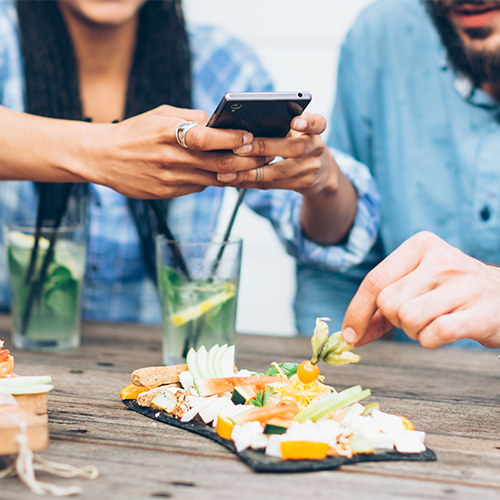
Below we go through 9 social media ideas for your restaurant. Browse through these tips to create posts and campaigns that will excite your followers, bring back guests, and bring in new ones.
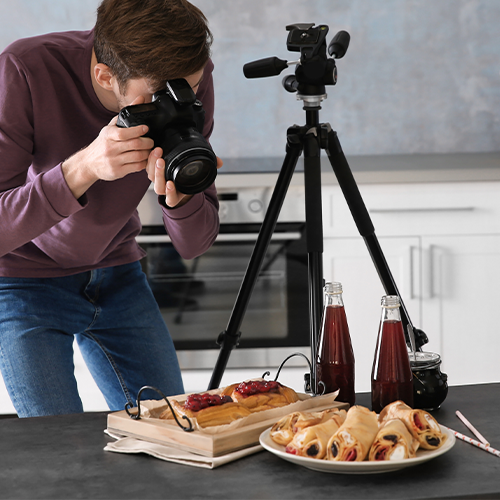
To get your Instagram started, consider hiring a professional photographer to stock up on high-quality images.
If taking your own food photos, research proper food photography techniques. Using natural light, action shots, proper angles, and adhering to your brand are all essential.
To create buzz and spread the word about your restaurant, hold contests where your followers have to tag a friend or share your post. For example, ask your followers to share your latest post on their page or Instagram story for a chance to win a free dessert, and randomly select a winner which you can announce on your page. Alternatively, you can have your followers tag a friend on your post, which will expose them to your page and can increase your following.
Post action or scenario images of the front of the house when possible to allow the viewer to picture themselves in your restaurant. You can even include staged photos of a "cheers," share photos of your busy nights, or include images that emphasize your unique interior design.
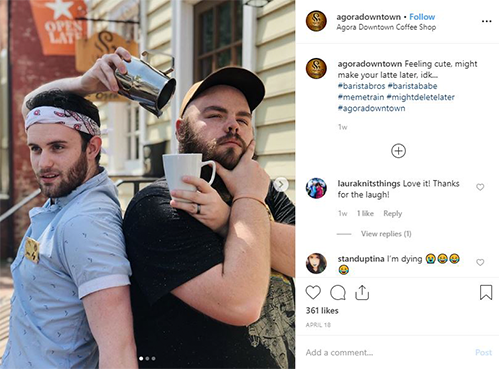
Don’t shy away from candid, natural, unedited, or humorous photos taken by servers or staff. This can add a personal touch to your posts that will help guests feel like a part of your community. Get staff involved with images and videos to further emphasize this. Giving followers a behind-the-scenes or real-time peek into your restaurant’s functioning makes them feel more connected to your business.
Ask your followers for their thoughts and opinions. Thinking of trying out a new dish? Include a poll or ask followers to comment what they would be most interested in. Curious what your guests' favorite dish is? Ask your followers for their thoughts and opinions!
Consider including customer photos, employee profiles, anecdotes, and stories about your business to create riveting, personal content that guests will look forward to.
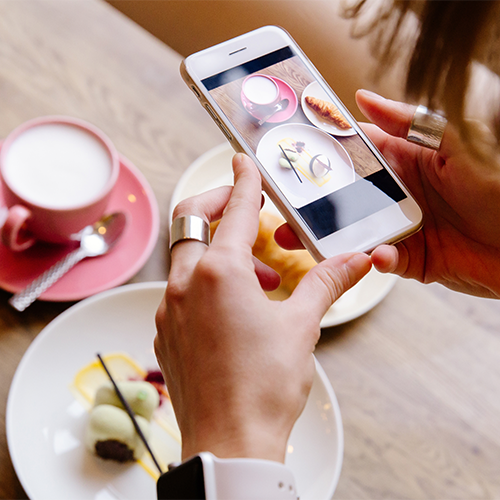
Encourage guests to post photos from their visit to your restaurant and to use a hashtag specific to your business or tag your business on their post. You can make this into a contest, and choose the “best photo” or randomly select a winner. You can also simply remind guests to use a certain hashtag. Not only does this spread word about your restaurant to their followers, but it creates more content that you may use for your profile. Just be sure to ask customers before reposting their photos under your own profile, and always give credit to the original poster.
Participate in national food days such as National Pizza Day, National Ice Cream Day, or whatever day is most relevant to your menu. Take part in buzzworthy topics such as upcoming sporting events and holidays.
As fun and laid back as social media can be, always remember that this is still a professional space when representing your business. As a general rule of thumb, you shouldn’t act differently online than how you would in the middle of your restaurant.
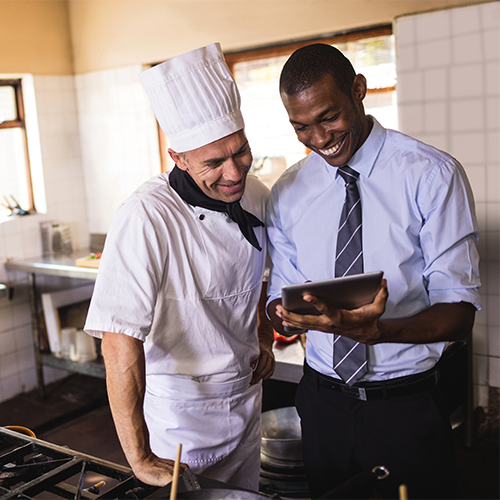
Treat everyone you interact with online as a potential customer. Give them the same respect as you would someone eating in your dining room. This goes for those posting about a positive experience or followers who may be providing you with some critical feedback.
If you’ve decided that a certain social media channel isn’t right for your business, do not simply abandon your profile. An old, outdated profile can look unprofessional or lazy to potential customers who stumble upon it. This can leave the impression that you don’t care enough about your business to maintain a solid online presence or that your business may be closed. Instead of abandoning a profile, simply delete it altogether.
Because social media is always changing, it can feel like a challenge to learn the differences between every channel and the best practices for each. In fact, staying up-to-date on the latest features, creating unique content, and monitoring your success can feel like a full-time job. But even devoting a small amount of time and resources to your online presence can create a positive impact on your ability to reach new customers and create a great relationship with them.
.jpg)