x




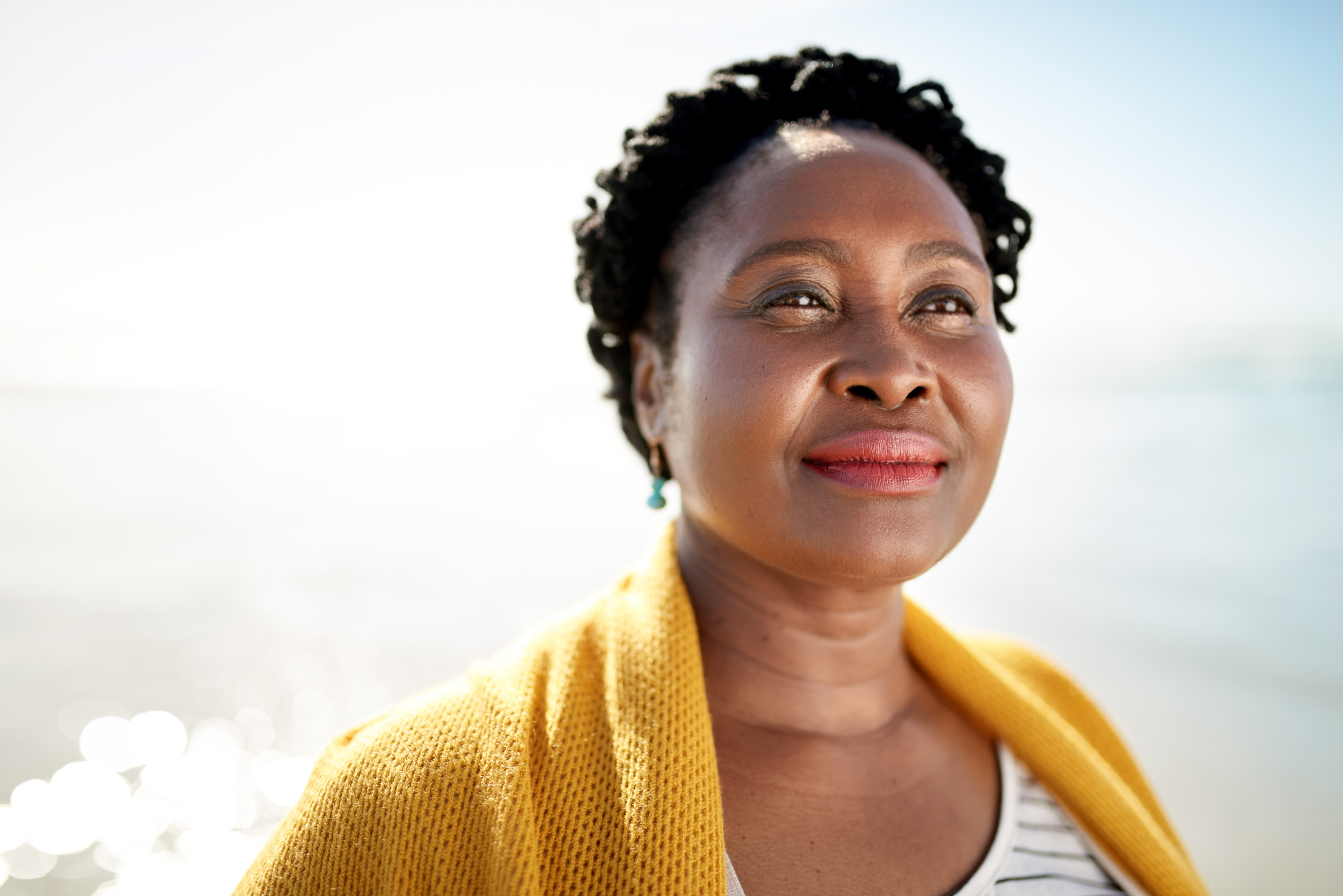
Immune systems fight infections by distinguishing healthy cells from unhealthy ones and attacking those that have been damaged or infected.
Our immune system becomes less efficient in staving off infection as we age. Older people have fewer immune cells and the cells don’t communicate and coordinate their attacks as well.
However, there are ways for seniors to strengthen their immune systems. Lynn Licklider, the Corporate Director of Clinical Services at Bethesda Health Group, recommends four key factors in bolstering our ability to fight off infection and illness.
Experts recommend 150 minutes a week of moderate-level exercise, though Lynn advises following a physician’s advice and staying as active as the senior is able to be, given their physical condition.
Exercise and other physical activity, like gardening, housework, or just moving more and sitting less during the day, has been shown to improve immune response.
Consume fresh fruits, vegetables, poultry, fish, healthy fats, and whole grains. A nutritious diet helps the bacteria in our system to digest food, regulates the immune system and protects against other bacteria that cause disease.
According to the Mayo Clinic, The Mediterranean diet is highly recommended.
Deficiency in Vitamin D can lead to a weakened immune system. Vitamin D-rich foods include:
Vitamin D is produced in the body through exposure to sunlight. “Get outside to help your immune system,” Lynn says.
Healthline offers some recommendations concerning the safe amount of sun exposure required to increase the amount of Vitamin D in the body.
Less stress has been shown to promote a stronger immune system, and Lynn suggests happiness and a positive outlook as a solution. But for this to be effective, she emphasizes that a person make a deliberate effort to remain positive. “Promote good thoughts; good things. There is so much negativity in the world, and elderly people can get caught up in focusing on negative things,” she says.
Lynn also suggests, particularly during the COVID-19 pandemic, that constantly watching the news becomes detrimental to emotional and physical health.
Sleep not only refreshes you, it helps your body ward off illnesses and improves your cognitive function, including memory retention.
A lack of sleep can increase the health risks of weight problems; make it harder to handle stress; increase anxiety, muscle and joint discomfort and muscle weakness; affect insulin production; and make driving a car dangerous.
According to the National Institutes of Health, the capacity to remain healthy is badly affected by loss of sleep.
Lynn notes that the amount of sleep a person needs is a very individual number. However, the quality of sleep—a deep, restorative sleep—is important. Sleep disturbances caused by various physical and cognitive challenges rob the body of sleep’s restorative power and the powerful assistance it gives to the immune system.
There are other ways to assist your immune system by requiring it to do less and protecting it from other harmful substances. For example:
THE HOTTEST IN WEARABLE TECHNOLOGY FOR SENIORS: WWW.LIFESTYLEWEARABLE.COM
.png)