x




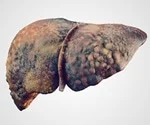
Three hours of weekly strength training combined with protein supplements leads to both bigger and stronger muscles in patients with cirrhosis. This is shown by a new study from Aarhus University and Aarhus University Hospital.
Patients with cirrhosis should be prescribed strength training. This is the opinion of the researchers behind a new study which shows that the loss of both muscle strength and size does not have to be permanent in patients with cirrhosis.
Our training project has demonstrated that strength training and protein supplements can break the vicious circle and rebuild muscles so that their muscles become stronger and bigger."
Luise Aamann from Aarhus University and the Aarhus University Hospital
She is a member of the research group behind the study.
A total of 39 people with cirrhosis took part in the trial which lasted twelve weeks. Half of the participants spent one hour three times a week doing strength training. Both the training group and the control group received dietary advice from a dietitian and also protein supplements throughout the twelve weeks. All physical activity and protein intake was recorded daily in a diary.
"The group who trained increased both muscle strength and size during the twelve weeks of strength training compared to the control group. Furthermore, we found that both functional capacity and quality of life were improved among the members of the training group, and all things being equal, this will make it easier to take care of everyday chores," says Luise Aamann.
The results have just been published in the scientific journal Clinical Gastroenterology and Hepatology.
It is well-known from other studies that strength training benefits the muscles with examples of this including emphysema and cardiovascular diseases. However, that strength training also can be effective for patients with cirrhosis, a disease which is particularly aggressive towards the body's muscles, is new.
"Frail and atrophied arms and legs due to malnutrition and weakened muscles are a characteristic of cirrhosis and are seen in seventy-five cent of hospitalised patients. Atrophying increases the risk of life-threatening conditions such as infections, kidney failure and impact on the brain," says the researcher.
And in everyday life, the weakening of the muscles is severely disabling for the individual and hampers ordinary activities such as shopping, climbing stairs and vacuuming.
"The inactivity creates a negative spiral with further loss of function and finally also social isolation," says Luise Aamann. The next phase of the study will look into whether the twelve weeks of training also affects mortality.
The study is a randomized clinical trial with a training group and a control group carried out as an interdisciplinary project between the Department of Hepatology and Gastroenterology, the Department of Neurology, and the Department of Radiology at Aarhus University Hospital, together with Sport Science at the Department of Public Health at Aarhus University.
External funding is provided by the TrygFonden, the Danish Health Foundation, the Beckett foundation, the Aase and Ejnar Danielsens Foundation and the Health Science Research Foundation, Central Denmark Region. Nutricia Advanced Medical Nutrition Denmark has donated half of the protein drinks. None of the parties involved have had any influence on the study and the researchers have no conflicts of interest.
.jpg)