x




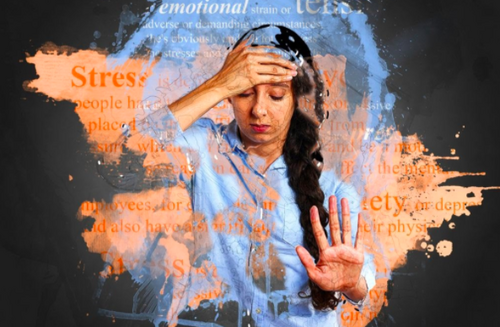
Have you ever found yourself in circumstances where your to-do list at office seems endless, fast approaching deadlines, unorganized household chores, as a result you start feeling agitated, moody, insomnia, low energy, nervousness and sweaty palms, aches and pains etc. That’s your body telling you that you are Stressed. But how do you define It? Stress has become a known and common part of our daily life. It is defined as any physical or psychological event that is perceived as a potential threat to physical or emotional well-being. It is our body‘s reaction to any change in our environment, thoughts, health that requires any adjustment or response.
Stress in particular is not something bad. Our body is built in such a way that it can experience and deal with it. A positive life situation can also give us stress like going on a vacation, moving homes etc. In fact we need to have a little bit of stress in our life as it keeps us motivated, alert and makes us work more efficiently and prepares us to avoid danger.Hans Selye, the famous physiologist has called it Eustress (positive stress). So, when does stress become Distress or in simple words negative stress? It’s when we keep on facing new and never ending challenges without any solace or relaxation, they become overworked and stress related tension starts building in the body. Baum (1994) proposes that direct and indirect effects of stress each leads to an increase in illness.The indirect effects occur when the negative emotional effects of stress interfere with health-related behavior, such as eating a balanced diet or scheduling a physical examination.
The direct physical effects are somewhat more surprising in that stress delays the healing process in wounds, has a negative effect on the endocrine system, and interferes with the functioning of the immune system (Kiecolt-Glaser et al.,1998). If it continues for a long period of time it affects our memory too.
It is quite common to feel lost and forgetful when we are under a lot of Stress. Our body stress response system consists of autonomic nervous system and HPA axis. The autonomic nervous system has the direct role in physical response to stress, which contributes to what is known as “fight or flight response”. Also on the other end, in a stressful situation the hypothalamus is activated which in turn signals two other organs in our body Pituitary Gland and Adrenal Medulla. This interaction is called the HPA axis, it produces the hormone Cortisol. Continuing prolonged Stress leads to higher levels of cortisol, which wears down the ability of our brain to function properly. It can disrupt the synapse regulation which results in loss of sociability and the avoidance of interaction with others.Research has shown the association between social isolation and memory decline. Chronic stress can lead to shrinking of the prefrontal cortex, the areas of the brain responsible for concentration, decision-making, judgement and thus setting the path for serious mental problems like depression and eventually Alzheimer’s disease. But it’s not all bad news. Brain has the ability to reorganize itself by forming new neural connections throughout life, this is called neuroplasticity. So the question arises how do we reverse the impact of stress on our brains?
6 Tips to Reduce Stress:
In the end we can say Stress is the common problem of our modern world and there is no escaping it. What is required is to effectively manage it, so it motivates and encourages us to overcome obstacles
.jpg)