x




SARS-CoV-2 is still a major threat to humankind. The constant emergence of variants makes the threat made by the virus difficult to estimate. The SARS-CoV-2 variant B.1.617 spread in India and gave rise to the Delta variant, B.1.617.2, which is now dominant in numerous countries.
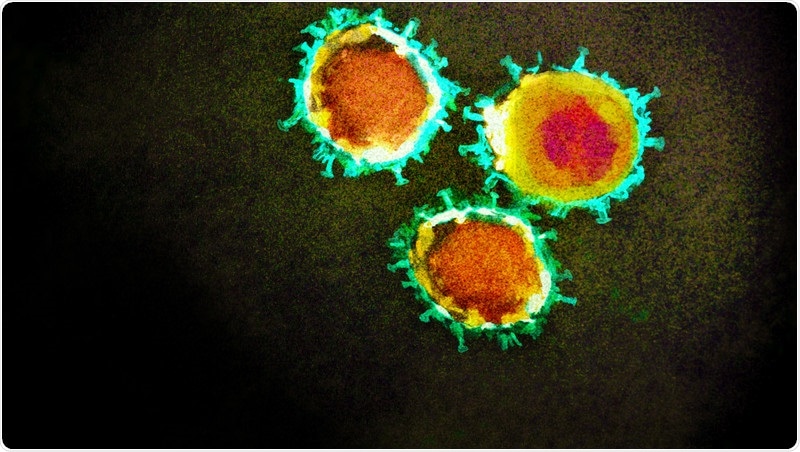
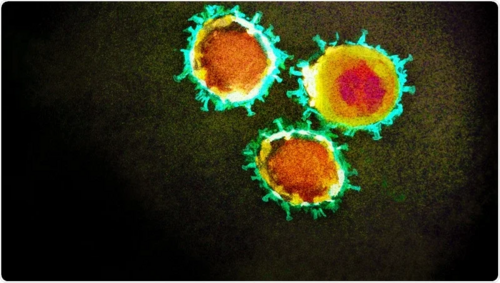
Illustration of an electron micrograph screen Coronavirus of the corona covid-19 virus. Image Credit: AA+W-stock.adobe.com.
Infection researchers from the German Primate Center (DPZ) – Leibniz Institute for Primate Research in Göttingen analyzed the B.1.617 variant in detail. In cell culture studies, the researchers discovered that this variant is capable of infecting certain lung and intestinal cell lines more efficiently than the original virus. The team recently published their findings in Cell Reports.
The scientists also demonstrated that B.1.617 is less sensitive to inhibition by antibodies present in the blood of convalescent or vaccinated individuals and resistant to a therapeutic antibody used for COVID-19 treatment.
These properties make B.1.617 and its subtypes spread rapidly in the human population, thereby increasing the risk of incompletely vaccinated individuals and individuals with declining immune protection becoming infected.
The spike protein embedded in the viral envelope facilitates SARS-CoV-2 entry into host cells. In the absence of spike protein activity, the virus cannot replicate in the human body. The currently known virus variants harbor different mutations in the spike protein, some of which make it easier for them to infect host cells and evade the immune system of infected individuals.
The B.1.617 variant carries eight different mutations in the spike protein, along with two within the receptor-binding domain, which facilitates viral attachment to cells and represents the main target for neutralizing antibodies.
Researchers led by Markus Hoffmann and Stefan Pöhlmann, infection researchers at the German Primate Center, and researchers from the University Hospital of Göttingen, the University of Erlangen, and the Hannover Medical School analyzed the impact of mutations on the ability of the B.1.617 variant to enter host cells and how efficiently the antibody response in recovered and vaccinated individuals inhibits this variant.
The scientists first analyzed the entry of the B.1.617 variant into different human cell lines. Two cell lines derived from lung and colon, respectively, showed a 50% increase in the virus’ entry efficiency.
The scientists also analyzed the efficacy of four different therapeutic antibodies that have been approved for the treatment of COVID-19 patients. They discovered that the B.1.617 variant was completely resistant against one of these antibodies and slightly less inhibited by another antibody.
The researchers further tested the efficacy of antibodies from the blood of recovered and vaccinated individuals. The protection against B.1.617 variant was found to be reduced by two- to three-fold.
Our study shows that this virus variant can infect lung and intestinal cells more efficiently, suggesting increased viral fitness. In addition, the protective effect of antibodies is limited because they block the cell entry of B.1.617 less efficiently than that of the original virus. As a result, individuals who are not fully vaccinated or were infected a long time ago and thus produce low amounts of antibodies may be poorly protected against infection with the B.1.617 variant.”
Markus Hoffmann, Study Lead Author and Infection Researcher, German Primate Center
“In order to prevent further spread of the B.1.617 variant, especially its subtype Delta, and to prevent the emergence of new virus variants it is advisable to quickly achieve full immunization of all people that are willing to be vaccinated,” states Stefan Pöhlmann.
It is also necessary to investigate whether booster vaccinations with existing vaccines or vaccines optimized to target variants provide long-lasting and broad protection.”
Stefan Pöhlmann, Head, Infection Biology Unit, German Primate Center
.jpg)