x




You exercise. You eat right. You’re in pretty good shape for someone your age.
Still, getting older can bring on health problems as our bodies change. Not everyone will get them. But some medical conditions become more common or more serious after we get a few decades under our belts.
Here are five surprising ways that age itself can pose health challenges.
When you’re over age 65, your immune system isn’t as strong as it used to be. Seniors make up the bulk of the people who die or are hospitalized for flu-related problems. Age raises the chances of serious flu complications like:
A yearly flu shot is a must. If you’re older than age 65, ask your doctor about the high-dose version, which offers more protection.
Getting older can be a triple whammy. You lose muscle as you age. That makes it harder to keep the pounds from creeping up. You also become less active. At the same time, your body burns fewer calories for the same physical activities as when you were younger.
You probably know that being overweight or obese raises you chances for many conditions, like heart disease, high blood pressure, diabetes, and stroke. But the extra pounds can pose an even bigger burden for older people. Everyday movements like walking and getting out of chairs get harder. Obesity and arthritis often go together.
So whether your age 50 or 80, ask your doctor about smart ways to fight the weight gain. Every bit helps.
Fragile Bones
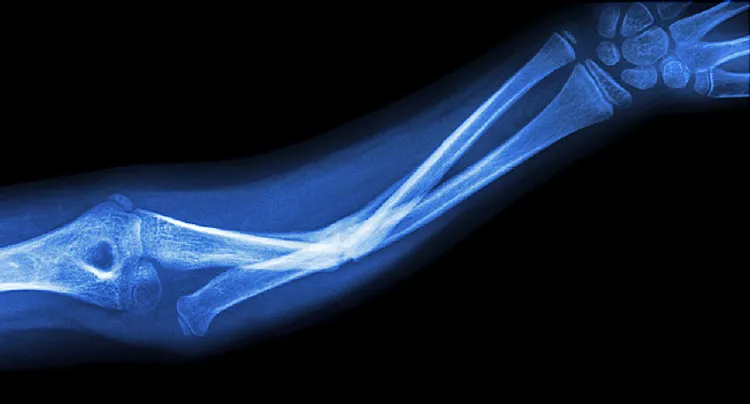
Many seniors fear falling. Advancing years can affect your balance and make you less steady and sure on your feet. Falls can be especially dangerous if you have osteoporosis, when your bones become less dense and more prone to breaks and fractures. Women ages 50 and older are twice more likely than their male peers to break a bone because of this “brittle bone disease.”
You can keep your bones stronger if you: