x




Pivot” became a tired term in the months following COVID-19's introduction. The pandemic lit as many trends on fire as it did invent others. So the idea restaurants collectively repositioned overnight doesn’t quite do it justice. And it doesn’t encapsulate just how long-term and solid some of these changes were.
This was especially true for quick-service restaurants, which were already searching for tech-based answers to age-old consumer questions. The clock on innovation stopped ticking. Restaurants arrived in weeks where they thought they’d get in years. It was a no-choice kind of environment.
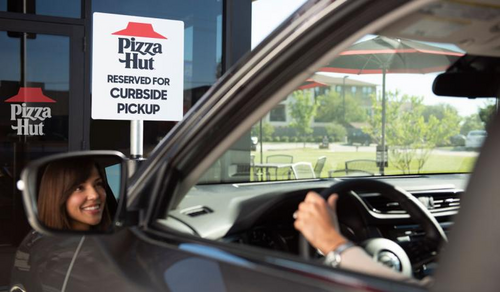
Naturally, the biggest shift keyed early survival—the move toward off-premises. Operators made hefty investments in customer-facing technologies. Delivery and curbside spread. Ghost kitchens and virtual brands sprung up. Drive thrus became the present (and future) of development.
The National Restaurant Association’s State of the Restaurant Industry Report examined some of the pandemic’s biggest off-premises shifts and how these operational trends will influence consumers’ restaurant decisions in the coming months.
Unlike past disruptors, such as the Great Recession, for instance, what made COVID so unique was how it stripped capacity out of dining rooms through mandates. Restaurants weren’t crippled by softened demand, the economy, or spending trends—they couldn’t seat guests. At points in March and April, there were markets faced with nonexistent capacity. It left restaurants no other option but to focus on off-premises or shut the doors and try to wait it out.
Roughly half of full-service operators in the Association’s report said they devoted more resources to expanding off-premises business since the onset of COVID. The shift was well-received by consumers, as takeout and delivery were already part of their day-to-day habits.
Now, 53 percent of adults say purchasing takeout or delivery food is essential to the way they live. This is a statistic many restaurants currently embrace as they invest in accessibility—opening channels to get food to guests in additional ways, like curbside and digital ordering.
Across each of the six major segments, off-premises dining represents a larger proportion of sales than it did pre-coronavirus. Important to note, too, is it’s still not nearly enough to offset on-premises sales losses for the vast majority of full-service restaurants. But what it does signal, potentially, is brighter days on the backside of COVID. A dynamic where dine-in returns and yet many delivery, digital, and takeout awareness hurdles are gone. Higher off-premises sales not at the expense of on-premises business.
Percentage of restaurant operators who say they devoted more resources to expanding the off-premises side of their business since the beginning of the outbreak in March