x




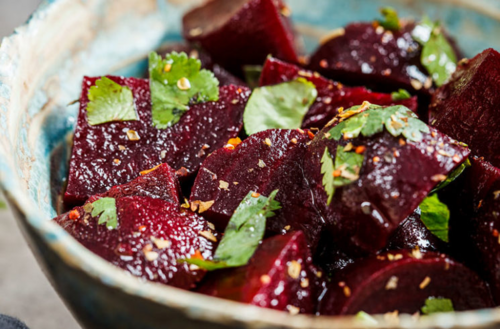
To the uninitiated, beets can be intimidating. They’re knobby, blood-red and taste a little like dirt. But there’s so much more to beetroot than meets the eye.
“Beets are special,” says registered dietitian Camille Skoda, RD. “They’re one of very few fruits or vegetables that have that deep red-purple color, which provides a different set of nutrients and antioxidants than you’ll get from produce of other colors.”
And, with the right preparation, they can be surprisingly delicious. Here’s why you should give beets a second look.
What makes beets such gems? They get their jewel-like hue from betalains, a type of natural plant pigment that provides a health boost. Betalains contain:
Those good-for-you pigments do have one small downside, however: “They can turn your urine bright red,” Skoda warns. “It can be kind of scary if you forget you’ve eaten beets. But it’s totally harmless.”
Betalains are just the tip of the iceberg. Beets have some other things going for them, too:
A healthy diet is a colorful diet. Different plant colors mean different plant nutrients. “Try to eat something from every color of the rainbow each day,” Skoda says.
Beets make it easy since they come in their own mini-rainbow:
Now you know why beets reign supreme. So how can you add them to your diet?
Canned beets are as easy as it gets. Slice them up for a salad. Or blend them with hummus for a pretty pink dip. “If you don’t love beets’ earthy flavor, mixing it into a dip balances it a bit,” Skoda says. “Just make sure to look for canned beets without added salt or extra ingredients,” she adds.
Roasting beets brings out their earthy-sweet goodness. “You can also slice them thin and dry them in the oven to make crunchy beet chips,” Skoda says.
Beet juice doesn’t contain the fiber of whole beets. But juice can be a good way to kick up the beets if you’re using them for a brain boost or athletic enhancement, Skoda says. Most grocery stores carry beet juice. You can even find powdered beet juice supplements in the fitness section of groceries or vitamin stores.
Before you start beet-loading, a word of caution: Beets are rich in oxalates, which can contribute to kidney stones. If you have kidney stones, it’s best to enjoy beetroots and beet greens in moderation, Skoda says.
For most healthy people, though, oxalates aren’t an issue. As part of a balanced, varied diet, you simply can’t beat beets.
.png)