x




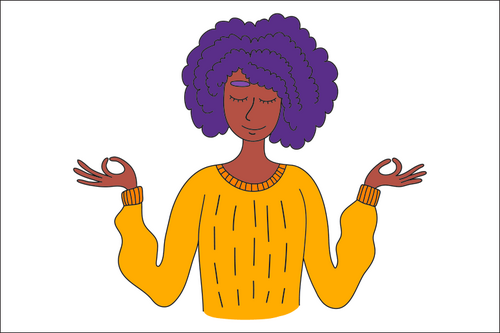

Stop what you’re doing. Sit down, if you’re able, with your feet firmly planted on the floor. Take a deep breath in through your nose — one, two, three, four — and exhale it through your mouth — one, two, three, four. Do this for a minute or two, focusing all your attention on your breath. If your mind wanders off, gently bring it back.
This is one of the simplest ways to practice mindfulness meditation, which is commonly used to reduce stress. Meditation can help change our mindset and perspective, and even rewire our brains to experience more positive thoughts and emotions. Mindfulness meditation is just one kind of meditation others include guided meditation, Qi Gong, Tai Chi, yoga, and mantra meditation.
Practicing meditation regularly — even for just a few minutes each day — can have a positive impact on your health. Studies have shown that consistent meditation can:

Meditation is an overarching term for being in a relaxed state, and there are many techniques you can use to meditate. Meditation doesn’t require any special tools or equipment, and you can do it wherever you are.
Here are a few meditation techniques to try on your own:
If the thought of trying meditation on your own is stressful, there are countless resources for guided meditation programs — including tools on your smartwatch and apps you can download to your smartphone, like Headspace, CalmExternal Site, Mindfulness.com and Ten Percent HappierExternal Site.
Though you may have heard these terms used interchangeably, they’re two different things. Mindfulness is the ability to purposefully bring your attention to what you’re experiencing in the present moment. Meditation is the regular practice of training your brain to be fully engaged in the present moment, allowing you to be aware of your thoughts and feelings without judgement. Regularly practicing meditation can help you become more mindful in everyday life.
But, what does it mean to be in the present moment? We often don’t realize that we spend much of our day on autopilot, thinking or worry about things we said or did in the past as well as upcoming things. The ability to be mindful at any given moment, or firmly planting our mind in the present, can be especially useful during difficult or stressful situations.
This doesn’t mean that mindfulness can get rid of your stress — instead, it makes it easier to deal with by giving you the perspective on how you feel in the moment. Not to mention, it has numerous other mental, physical and emotional health benefits.
Like most other things you practice, learning to be mindful may not come naturally right away. It’s important that you don’t judge yourself and your ability to meditate, which will give the opposite effect you’re trying to achieve in the first place. It’s perfectly normal for your mind to wander when you meditate, for example, no matter how good you are at it. The more you do it, the better you’ll become — and the more benefits you’ll start to see.