x




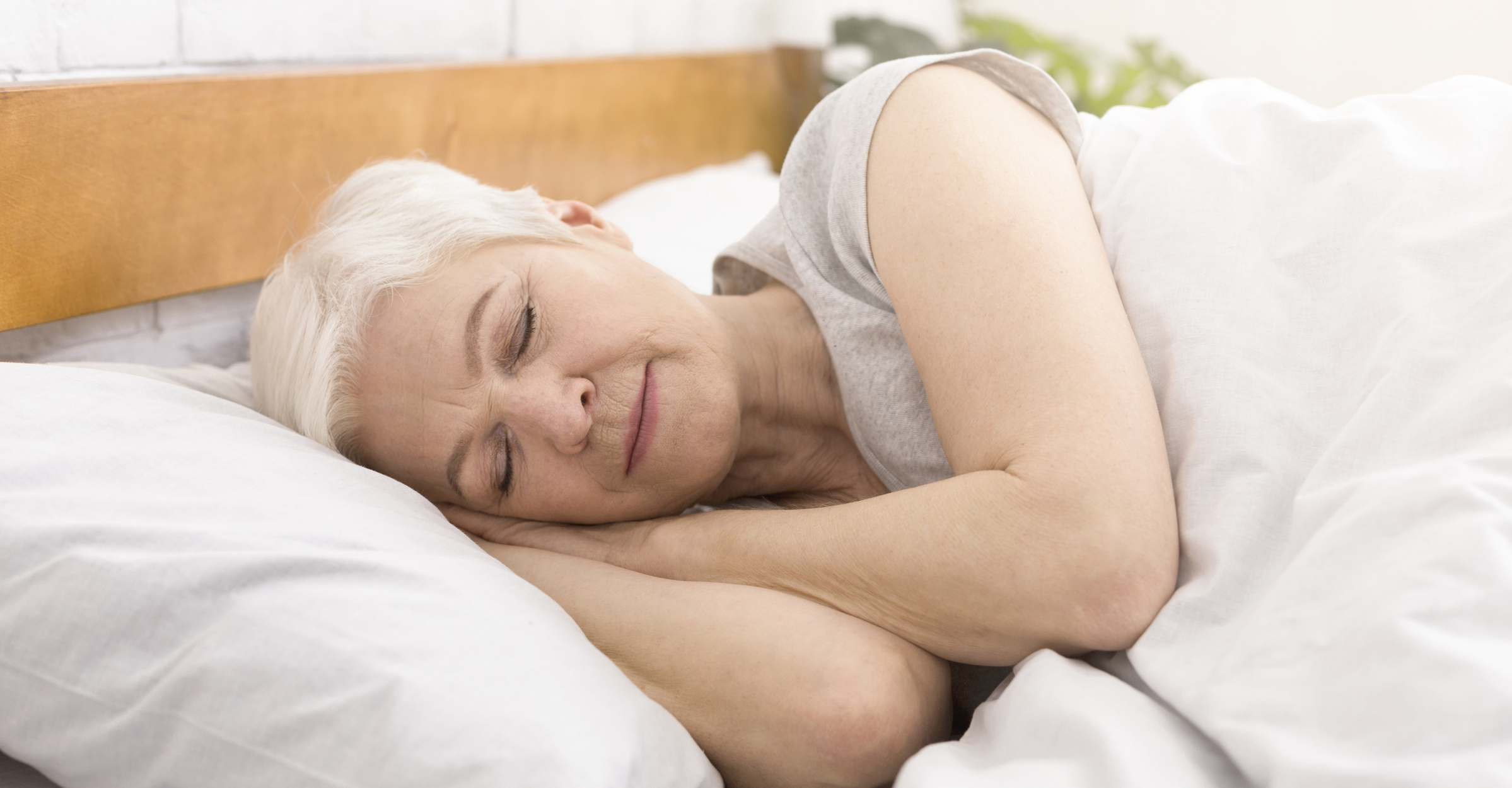
Does your mind continue to work even after your head hits your pillow? In the dark, do you hear the clock ticking off the sleepless seconds? Are you thinking about what you need to do the next day or what you didn’t get accomplished before you went to bed, and you know you’re going to feel exhausted and hazy headed after the sun rises?
Getting the proper amount of sleep has many benefits, especially for older adults. Let’s examine why it is important, why older adults have challenges with sleep, and how to consistently get the sleep needed each night.
Sleep not only refreshes you, it helps your body ward off illnesses and improves your cognitive function, including memory retention.
A lack of sleep can increase the risk of weight problems; make it harder to handle stress; increase anxiety, muscle and joint discomfort and muscle weakness; affect insulin production and make driving a car dangerous.
When people say they “sleep like a baby,” they really mean they sleep peacefully. However, as any parent of a newborn knows, babies don’t sleep deeply. As you age, you may experience the sensation of “sleeping like a baby” only because you wake up every two to three hours.
As we get older, our bodies produce less melatonin, a hormone that regulates the sleep cycle. Other things can cause sleeplessness, including:
The good news is sleep disorders can be diagnosed and treated. If you (or your bedmate) suspect you have one of these disorders, consult your physician.
Your physician can also tell you what medications or health problems may be keeping you awake, as well as how much sleep you should be getting. (Seven to eight hours of sleep a night is the usual recommendation.)
There are things you can do to improve the quantity and quality of your sleep, and things you shouldn’t do:
Following these guidelines along with your doctor’s recommendation can help you improve the frequency in which you achieve a good night’s rest.
THE HOTTEST IN WEARABLE TECHNOLOGY FOR SENIORS
.png)