x





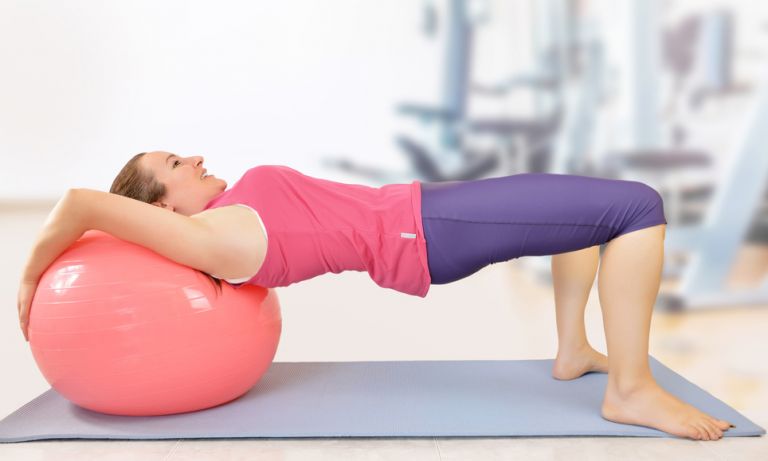
What it is: Flexibility challenges the ability of your body’s joints to move freely through a full range of motion. Balance maintains stability, whether you’re stationary or moving around.
Good flexibility exercises include:
If you’re already active, chances are you currently engage in exercises that improve balance, such as walking, hiking, cycling, golf, tennis, or strength training (especially core-strength training). However, balance typically worsens as we age, so if you’re an older adult looking to specifically improve your balance, you can do so by trying:
Why it’s good for you: Flexibility helps your body stay limber and increases your range of movement for sports as well as daily physical activities such as reaching, looking behind while driving, and bending to tie your shoes. Flexibility exercises that lengthen and stretch muscles also help to:
Balance exercises can help to improve your posture and reduce your risk of falling as you get older.
Fitness experts advise against stretching before you exercise when your muscles are cold. Rather, stretch only once your muscles are warmed up or after your workout, as part of your cool-down routine.

As well as the meditative and relaxation benefits, low-impact practices such as yoga, Pilates, and tai chi are great for improving flexibility and balance. While there are differences between the forms, each offer plenty of options for the beginner and seasoned practitioner alike.
Yoga. An ancient exercise practice that involves performing different postures and poses on an exercise mat, there are many different types of yoga that can help with flexibility and balance as well as strength and stamina. In addition to the popular types, there are yoga classes modified for different needs, such as prenatal yoga, yoga for seniors, and adaptive yoga modified for disabilities. Most yoga sessions begin with a series of poses to warm up the body, and most sessions end with some type of relaxation exercise.
| Find the type of yoga that’s right for you |
| Gentle yoga or Satyananda |
| Focuses on slow stretches, flexibility, deep breathing.
Best for: Beginners, stress reduction. Not for: Those looking for a vigorous workout. |
| Hatha |
| Reasonably gentle. Involves stretching, breathing work.
Best for: Beginners, older adults, stress reduction. Not for: An aerobic, calorie-burning workout. |
| Iyengar |
| Focuses on precise body alignment and improving balance. Uses blocks and straps to maintain poses longer.
Best for: Those looking for more fitness benefits as well as deep relaxation. Not for: While more vigorous, not a total body workout. |
| Kundalini |
| Fast-paced routine of poses focusing on different ways of breathing, chanting, and meditation.
Best for: Combining a good workout with spirituality. Not for: Those uncomfortable with chanting or the spiritual aspect. |
| Hot yoga (Bikram or Moshka) |
| Takes place in heated rooms (more than 100 degrees Fahrenheit). Focus on stamina and purification.
Best for: Intense, sweaty workout for those with higher fitness levels. Not for: Anyone with high blood pressure, heart conditions, or those who may react adversely to hot conditions. |
| Power yoga or Ashtanga |
| Vigorous, fast-paced to build flexibility, strength, concentration, and stamina.
Best for: Strong workout, improving fitness and weight loss. Not for: A relaxing, contemplative experience. |
Pilates. Like yoga, Pilates can be performed on a mat as a series of low-impact movement patterns, although it most commonly involves the use of resistance machines. A typical Pilates routine includes exercises that promote posture, balance, flexibility, and core strength. Most routines can be tailored according to your strength and fitness levels.
Tai chi. Focusing on a series of slow, precise body movements that flow from one pose to the next, tai chi is a very effective exercise for balance, especially in older adults looking for a safe and gentle exercise. By moving weight from one leg to another, and alternately raising the arms, legs and hands, tai chi varies the weight on different joints, increasing flexibility and range of motion and improving balance and coordination. And by focusing your mind on your movements and breathing, you keep your attention on the present, which clears the mind and leads to a relaxed state.
Learning yoga, Pilates, or tai chi. While you can learn these exercises online, from an instructional book, video, or app, the best and safest way is to learn from a competent instructor.
.png)