x




The market for food delivery has seen substantial growth in the last five years. Headed by different platform-to-consumer services like Uber Eats and DoorDash, food deliveries have extended from different takeaways to everything and added billions of dollars within the future revenue capturing.
The network effects because of extra delivery riders, together with route optimization technologies, have allowed quicker and affordable delivery. It has made a flywheel consequence for different food delivery machinists that continue to weaken competition on the thinner profit margins because they fight for market sharing.
Food aggregators like Grubhub and Just Eat have recently included the platform-to-consumer system where they are accountable for delivery and ordering procedure.
The last few years have seen more association, as the bigger businesses try to decrease competition in the market all around.
COVID-19 has driven the business a few years in the future because millions of people during the lockdown had ordered food online. Grocery delivery service provider Instacart said that it has accomplished its 2022 objectives during the 3rd third week of the lockdown!
DoorDash, Uber Eats, and Deliveroo have all experienced a huge acceleration in the orders during February-March when the whole world went in lockdown.
Whereas this increase in demand might cool off when we come back to normality, the food delivery operators have expected it to get a rather lasting effect.
In the sector analysis here, we will consider the operations of China, the United States, Europe, and the United Kingdom. UK, the US, and China are the three biggest individual countries to provide food deliveries, Europe, mainly from Germany, Spain, and Italy is a developing market that might exceed the US within a few years.
Food delivery has become a worldwide industry, empowered by a gig economy that has cleaned North America, Asia, and Europe in the last decade. The food delivery apps of China have the biggest user base as well as market penetration, getting more than 650 million people, while the US is the 2nd biggest market and well-funded too.
* Uber Eats
The most broadly accessible food delivery services, available in six continents, as well as 1st or 2nd in the gross orders within maximum countries
* Grubhub
Key aggregator in the US having Seamless, with control on more than 50% of the US food delivery online till 2018
* DoorDash
The existing leader in the food delivery online in the US, and also founded a platform-to-consumer model
* Just Eat
Food delivery market leader in the UK as well as active in Australia and Europe, and also have a stake in iFood, the Brazilian food aggregator
* Postmates
A subordinate of Uber Eats ever since 2019, answerable for around 10% of the online food delivery within the US
* Takeaway.com
The European aggregator, liable (for subsidiaries) for maximum online food deliveries in Germany, Belgium, and the Netherlands
* Ele.me
Possessed by Alibaba, Ele.me is amongst the two leading food delivery platforms of China with more than 200 million active users
* Deliveroo
The leader of platform-to-consumer within the UK, this now works in 13 different countries, competing with Just Eat and Uber
* Delivery Hero
Using its different subsidiaries like Food Panda, Delivery Hero controls food delivery platforms in more than 40 countries
* Rappi
Supported by SoftBank, Rappi is aggressively pushing into the Southern American market, presently active in 9 different countries
* Meituan Dianping
Another player in China’s online food delivery market. Tencent is the biggest stakeholder having a stack of 20%
* Jumia Food
It’s a part of African e-commerce leader Jumia, the initial African startup to get valued at more than $1 billion
* iFood
It is Brazil’s most well-known aggregator by a huge margin, having more than 70% of the online takeaway orders within the country
* Damae-Can
Japan’s best option for takeout, Damae-Can has more than 20,000 restaurants with 2.3 million active users
* Zomato
The most well-known domestic food delivery app in India that acquired Uber Eats India in January 2020
* Yandex.Eda
Because Uber is not working in Russia, Yandex.Eda has complete control to all the platform-to-consumer markets
The United States is among the most competitive markets for food delivery, having Uber Eats, DoorDash, and Grubhub competing for the first position. This extreme competition has made that hard for all three main competitors to produce profits that may become a problem as DoorDash and Uber Eats are both in the US stock market also.
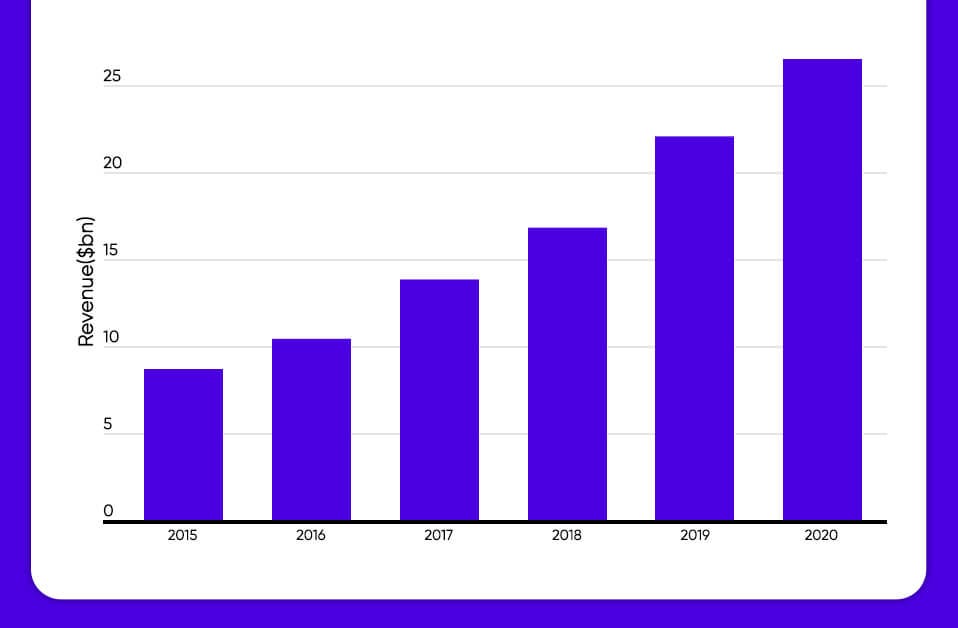
Market profits have increased a whopping 204% in the last five years, empowered by the overview of platform-to-customer services like Uber Eats, Postmates, and DoorDash, which can able to offer an extensive selection of food types and restaurants.
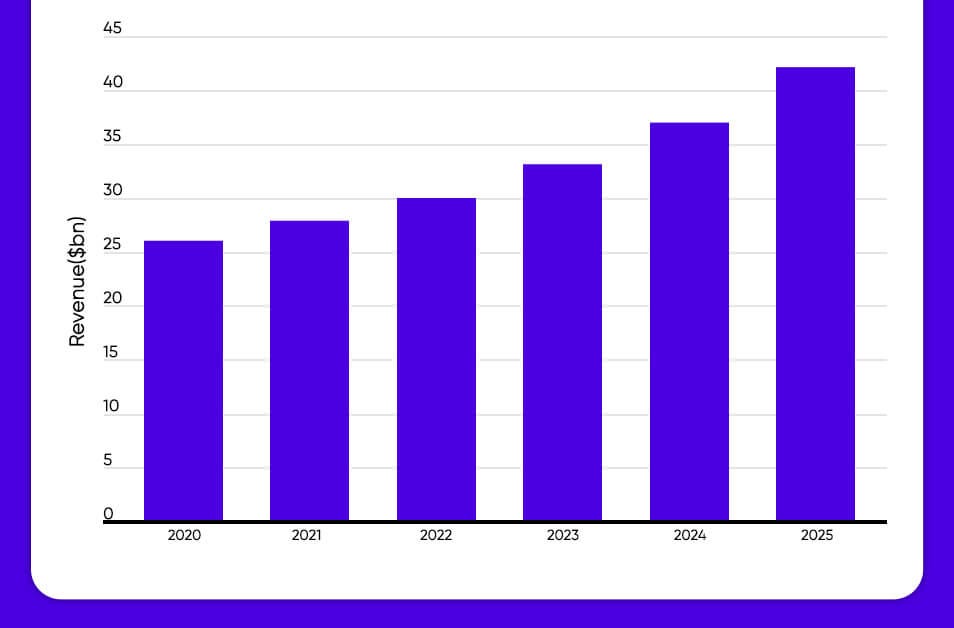
The overview of platform-to-consumer apps to 2nd & 3rd-tier cities in the US would add more possible revenue capturing in the following few years. This COVID-19 pandemic has already boosted this industry forward, though some workers and restaurants might leave this industry when we are back to routine.
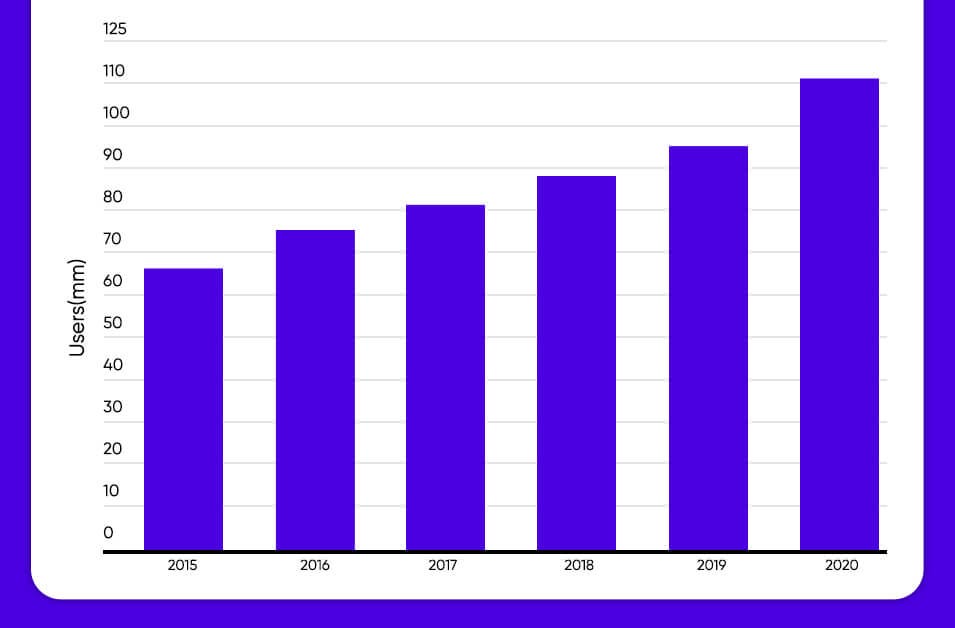
The use has also boosted in the last five years, though not at a similar pace as revenue. Grubhub has already controlled a big audience earlier in 2015, but now customers are migrating to some newer platforms.
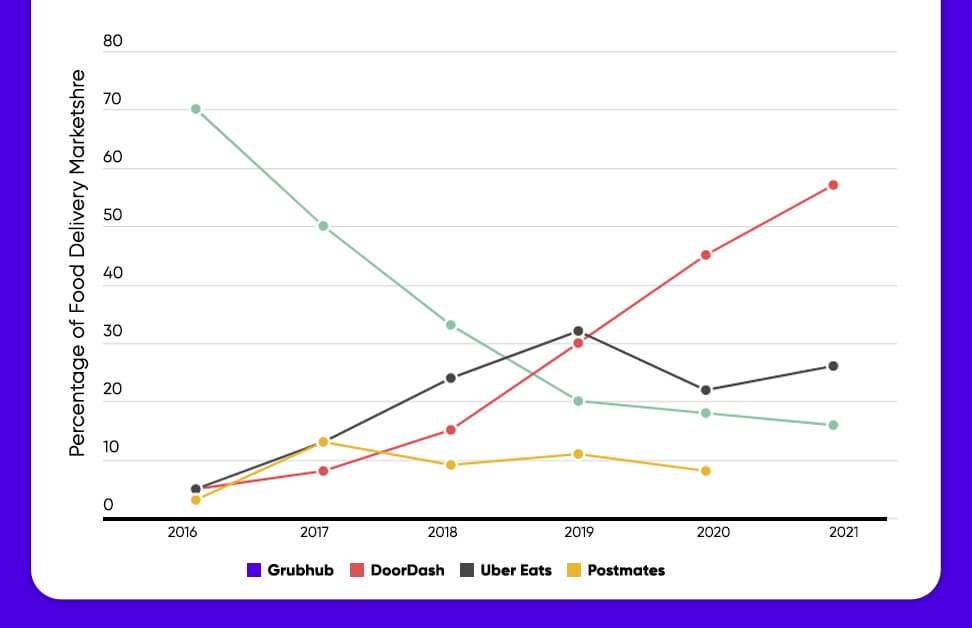
As previously discussed, the market of food delivery has been pushed forward by platform-to-consumer businesses like Uber Eats and DoorDash. Grubhub was a leader and using the gaining of Seamless had given a stronger lead over competitors, however, in the last couple of years, this has been surpassed.
Compared to Italy, Spain, and France, the UK is having a far bigger takeaway industry, accounting for about 40% of Europe’s takeaway revenue. Deliveroo and Just Eat are the two biggest food delivery services situated in the UK.
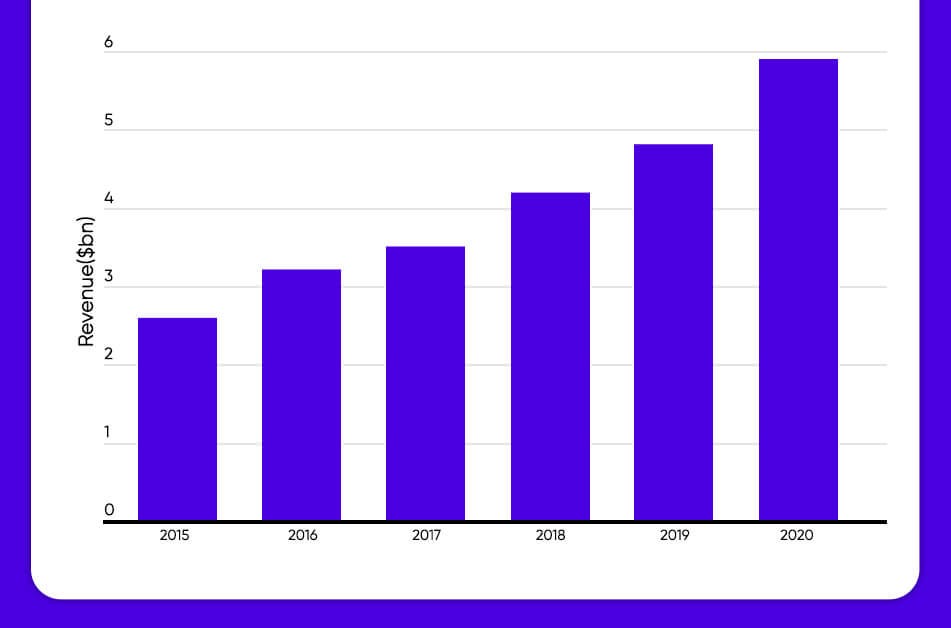
The revenue has amplified in the UK and Deliveroo, as well as Uber Eats, are fighting to get platform-to-consumer control. To counter the rising interest in fast-food deliveries, Just Eat has just introduced its individual delivery service that includes businesses with Greggs, Subway, and McDonald's.
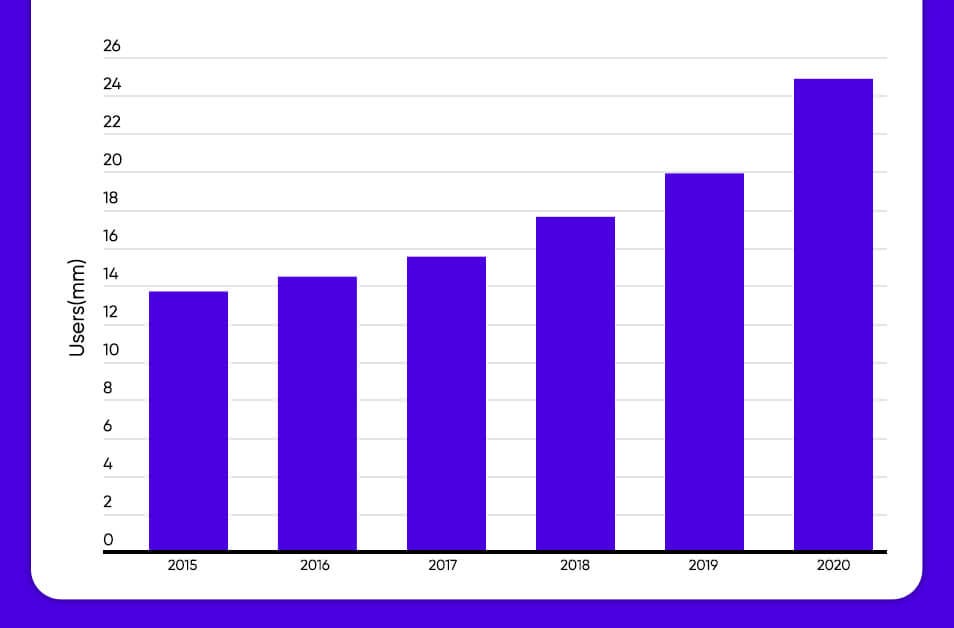
The usage is increasing at a consistent rate, elevated by this COVID-19 pandemic, where millions of users have tried these food delivery apps initially.
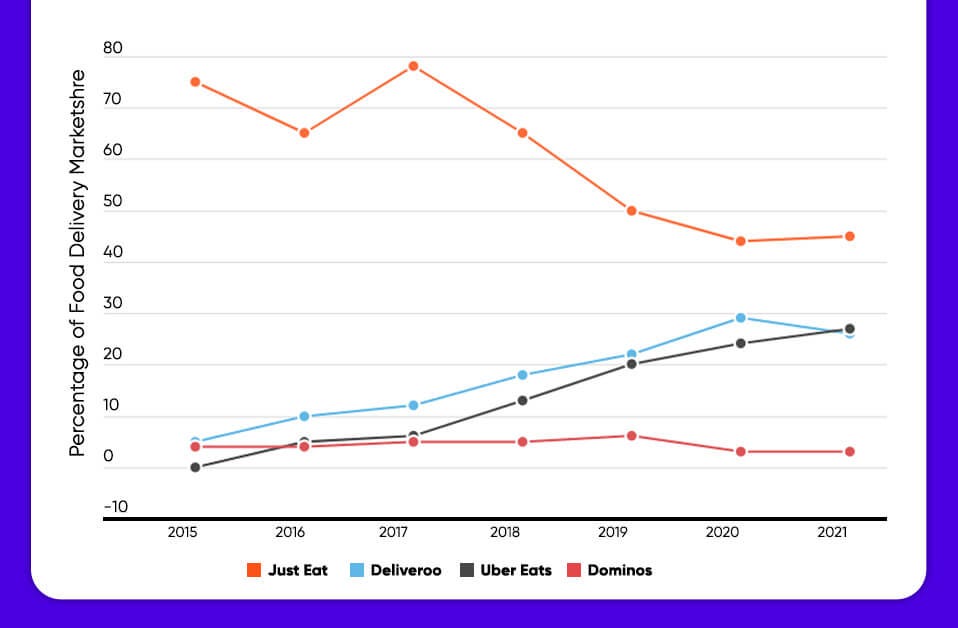
Just Eat is dominating the UK market as well as in 2018, it has acquired the 2nd biggest aggregator named Hungry House. Deliveroo and Uber Eat both have posed the challenge for Just Eat that it is trying to rise with the overview of its individual delivery service.
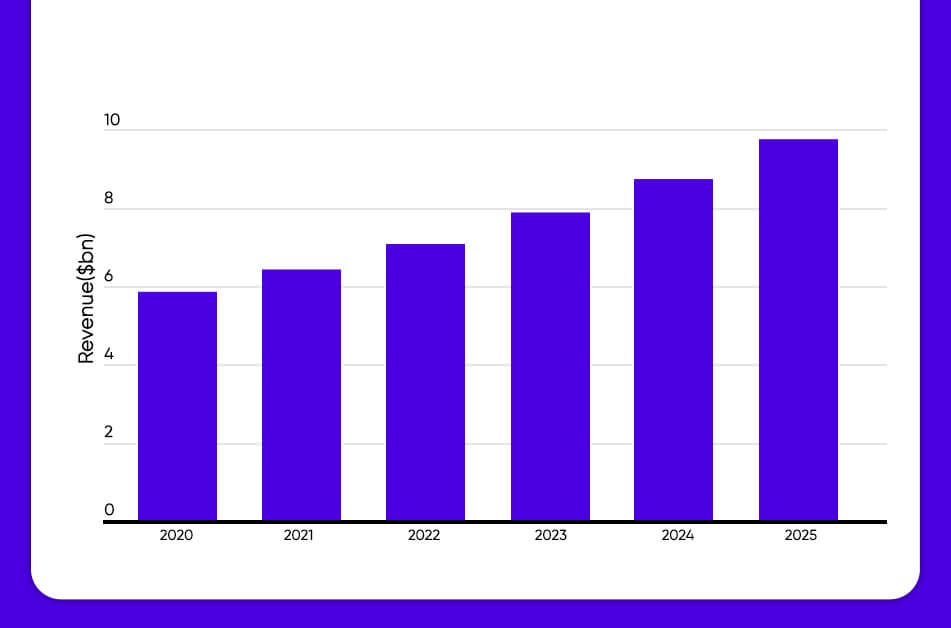
This platform-to-consumer example will increase in the upcoming years, headed by Just Eat’s delivery services. Deliveroo and Uber Eats have already unlocked their platforms for accommodating 3rd-party deliveries, we might see some newer innovations from these sides to try and compete with the apps like Just Eat.
The UK and US had pre-internet about ordering takeaways, whereas a lot of countries in Europe had not. It has held this market reverse a bit, though in the last five years, Just Eat, Takeaway.com, as well as other local services, had become more eagerly available.
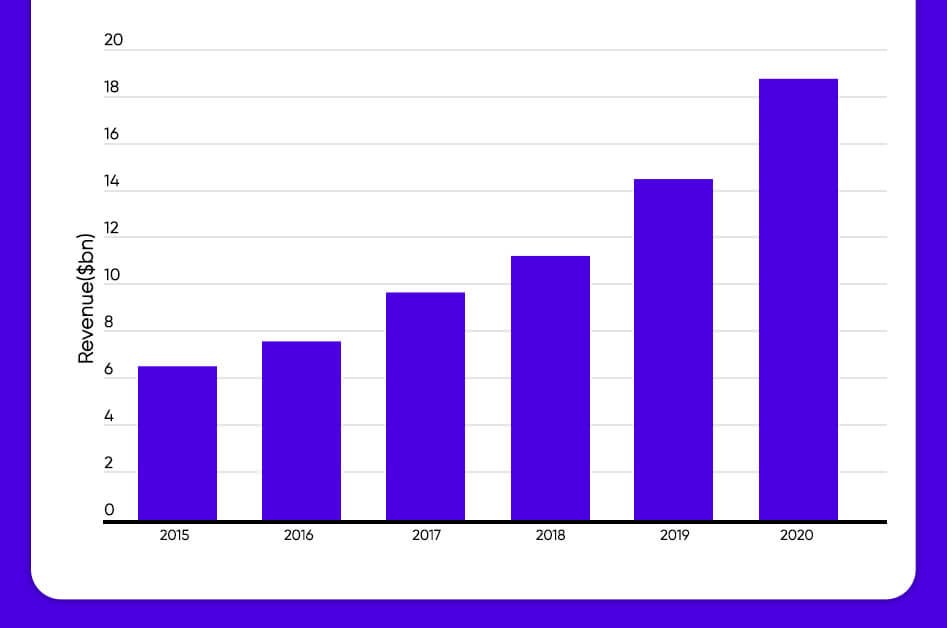
Compared to the UK and the US, Europe hasn’t seen a similar level of competition or innovation. It is partly because of the small market size, for comparing the UK’s takeaway industry was as big as France, Spain, and Italy combined during 2017.
Aggregators still control the European market as well as there hasn’t been a big push to the platform-to-consumer operators, though Deliveroo and Uber have launched in many European countries during the last few years.
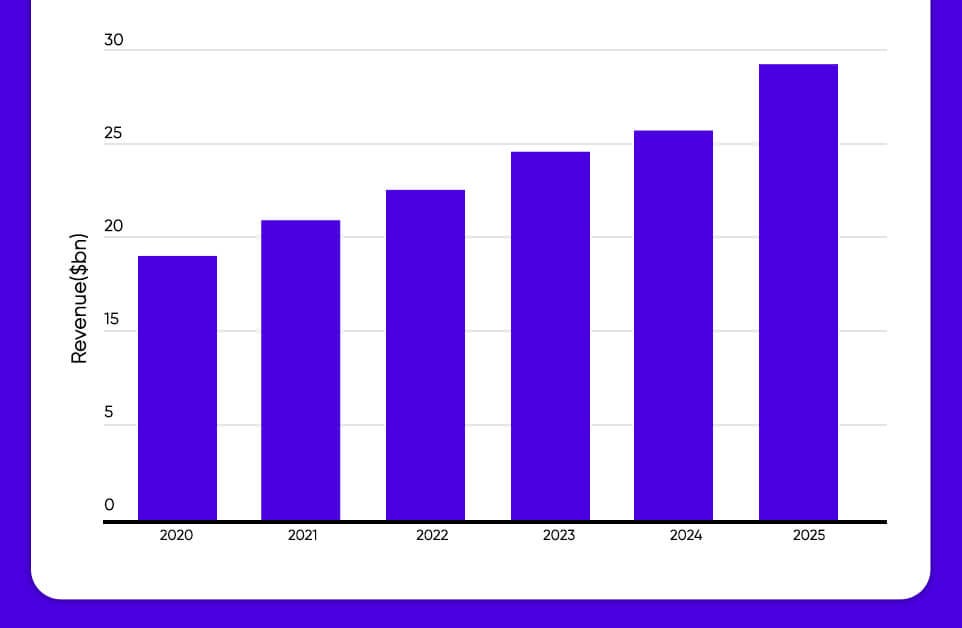
The blend of Takeaway.com and Just Eat might result in further investments in the European countries that are in the decisive years of providing food delivery services. The problem is that a few countries would see withdrawals, because of lack of interest and sales, because we had seen with Uber’s decision of leaving the Czech Republic, Ukraine, and Romania.
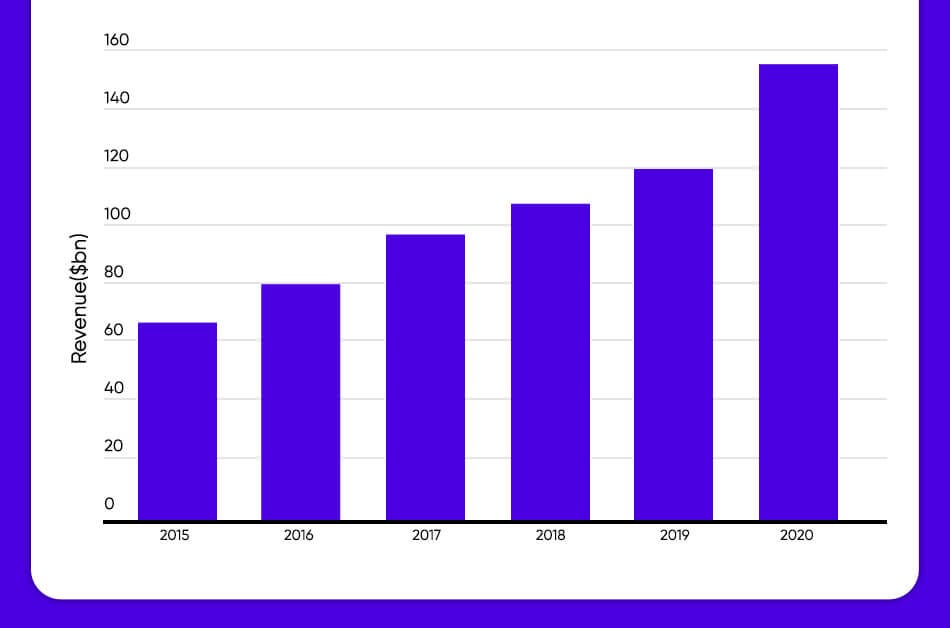
The deployment of Uber Eats and Deliveroo in the main EU countries — Spain, Italy, and France — has reached total active users to 150 million. We anticipate regional services like Wolt and Glovo to get more support, similar to iFood in Brazil and Zomato in India, improving competition as well as offering customers extra options.
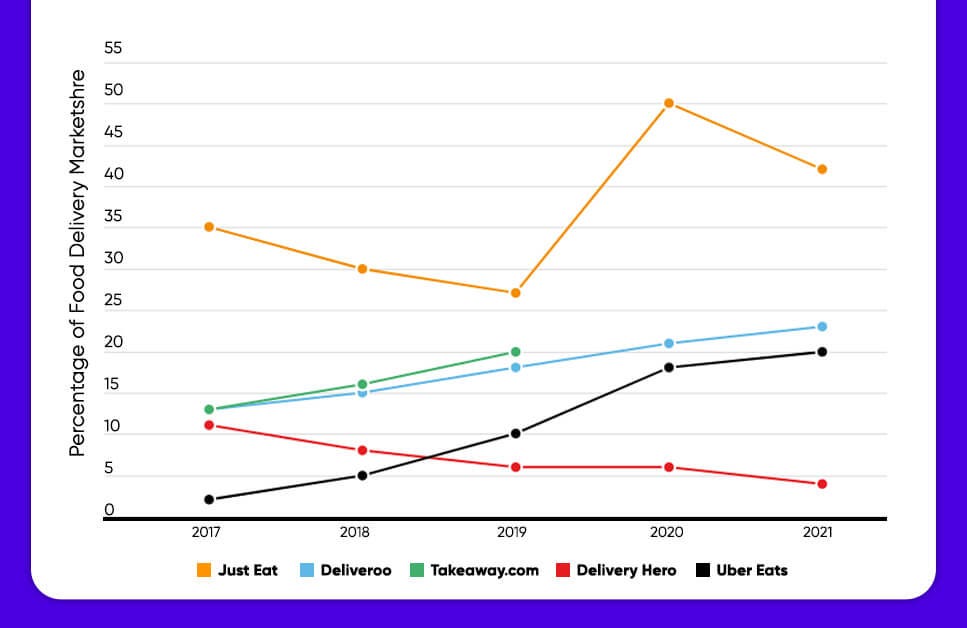
Just Eat has made a strong lead in Europe being the main aggregator in the UK, Spain, Italy, and France. Deliveroo and Uber Eats and is competing in a platform-to-consumer business that Takeaway.com, as well as Delivery Hero, have reformed to slowly.
Alliance of the European market using a Just Eat-Takeaway.com merger might smother competition in this aggressive market. Delivery Hero is the key player in terms of size, looks more invested in the Asian markets after selling its German application to Takeaway.com.
Note: Takeaway.com and Just Eat had merged in 2019 to make Just Eat Takeaway.
From nearly nothing 10 years ago, the food delivery market of China has become the biggest in the world. Meituan Dianping and Ele.me, the two biggest operators, have control of more than 90% of all the food deliveries in China as well as have set the sophisticated platforms that have a much lower overhead compared to Western food delivery apps.
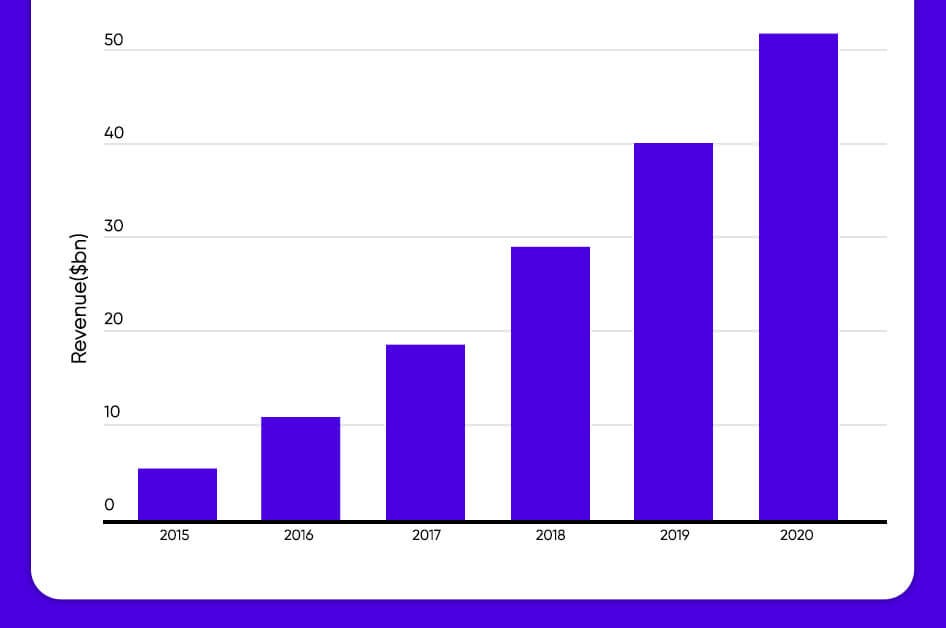
Ele.me from Alibaba as well as Meituan Dianping are the two biggest food delivery apps, each of them producing more than $7 billion in total revenue. Presently, revenue for every user is low in the UK and US but we might see the difference lessen in the coming few years.
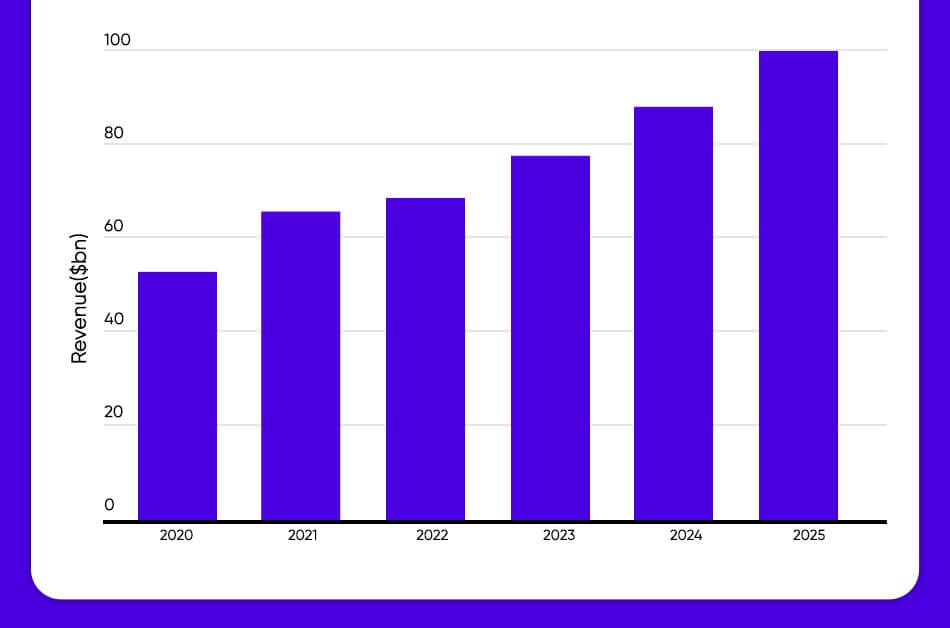
China leads the world in terms of revenue generation using complete size alone. In the coming years, we anticipate Meituan Dianping and Alibaba to introduce some new features for improving revenue contribution for every user.
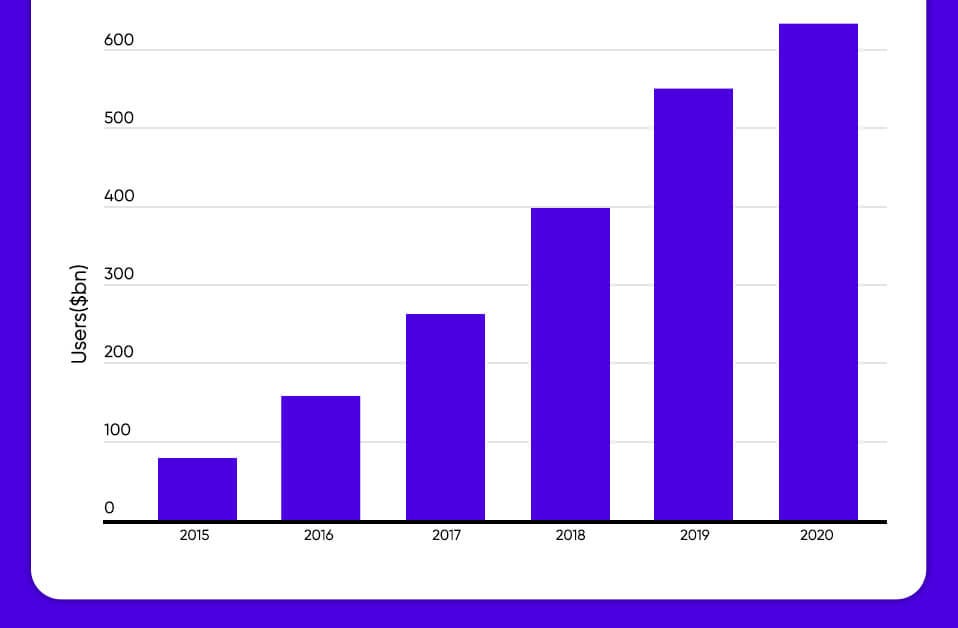
While revenues are inspiring, food delivery users of China are amazing, far better than any other region. Through moving straight towards mobile, different roadblocks Grubhub and Just Eat need to face in the early days were not the problem for Meituan Dianping and Ele.me, which have created extremely stylish food delivery platforms.
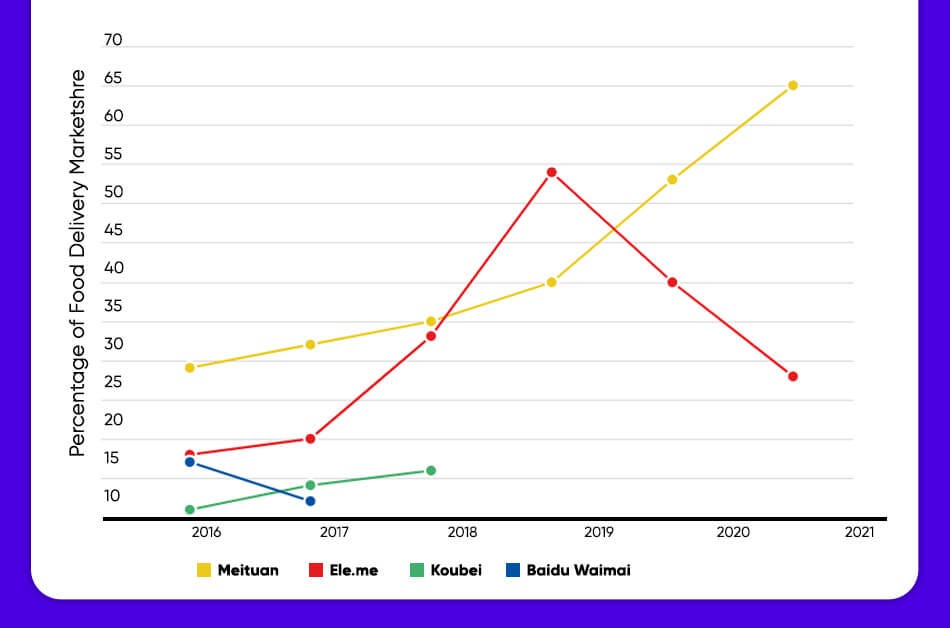
The food delivery market in China is the two-way battle supported by the two biggest tech companies in China, Alibaba, and Tencent. Alibaba had acquired Ele.me in 2018, whereas Tencent is the biggest shareholder of Meituan Dianping, having a 20% stake in this company.
Note Ele.me had merged with Weibel & Koubei in 2017 as well as 2018 respectively, pushing them to more than 50% market share.
Compared to other online markets, the food delivery market has just started five years ago. This platform-to-consumer model depends on sufficient customers, restaurants as well as riders for fulfilling the city, as well as without one of three, that struggles to work, as could be seen during smaller towns where you won’t get enough riders, therefore Deliveroo and DoorDash need to open a platform to the 3rd party delivery services.
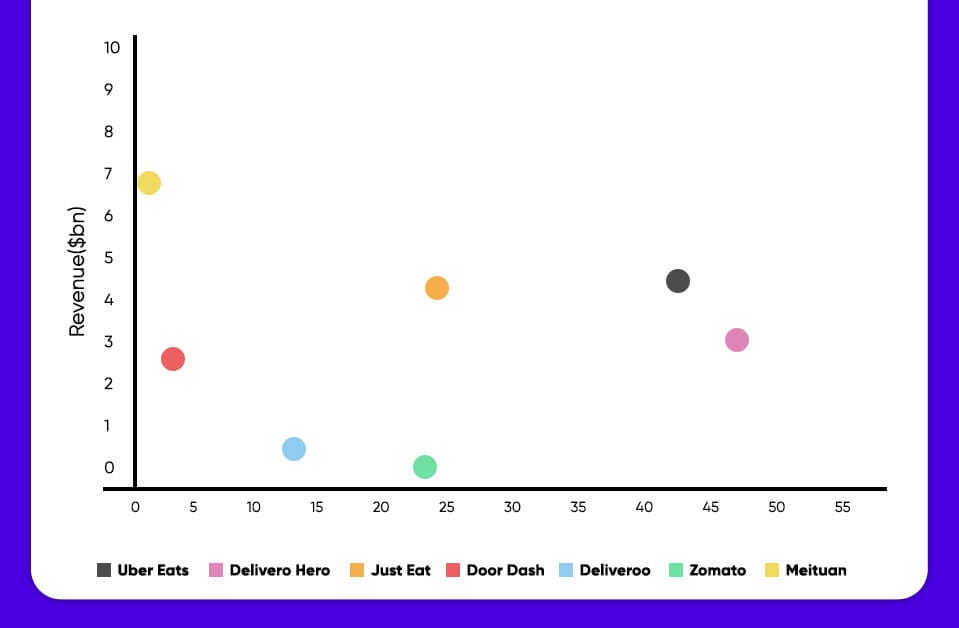
Uber Eats, using the usage of the worldwide ridesharing platform, has been able to increase its platform-to-consumer business rapidly. Delivery Hero and Just Eat Takeaway have combined the food delivery territories, using an increasing list of companies.
DoorDash and Deliveroo can able to produce sizeable revenue using home markets, because of the important size of the US and UK food delivery market.
Meituan Dianping is responsible for more than 40% of online food delivery in China, produced more revenues in 2019 than all the Western apps.
Note: The graph does not have Ele.me, another Chinese food delivery service. Off the market share on your own, we collect Ele.me might be producing $7 billion revenue.
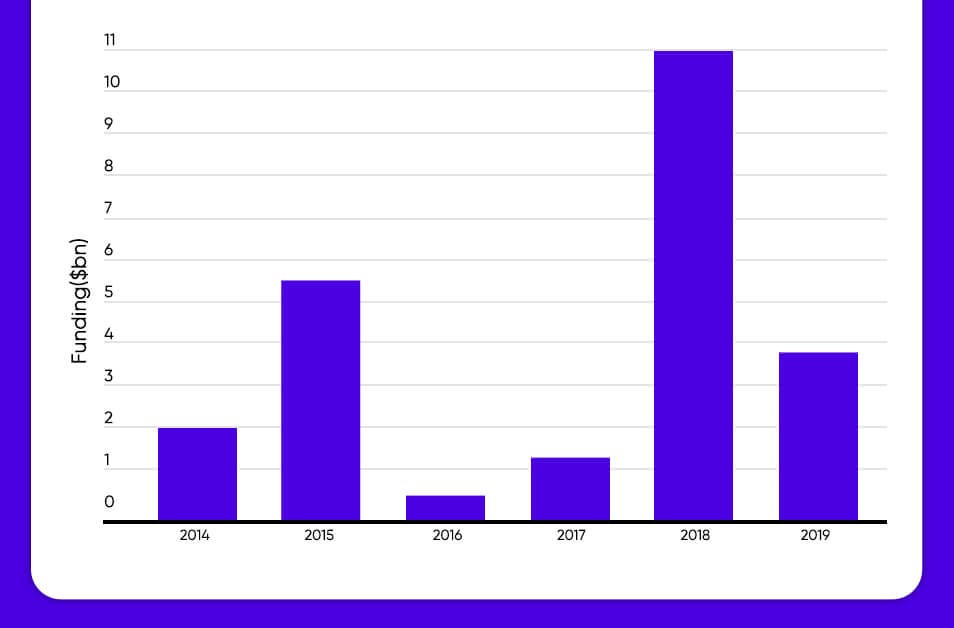
There are peaks and downs in the last five years, uttered by how the investors are feeling about this industry overall. During 2016, uncertainties about profitability decreased investment to the lowest level ever since the year 2011.
Market consolidation in the Europe and US market maturity would lead to lesser funding in the West, though Africa, South America, as well as Asia are ready for the investments.
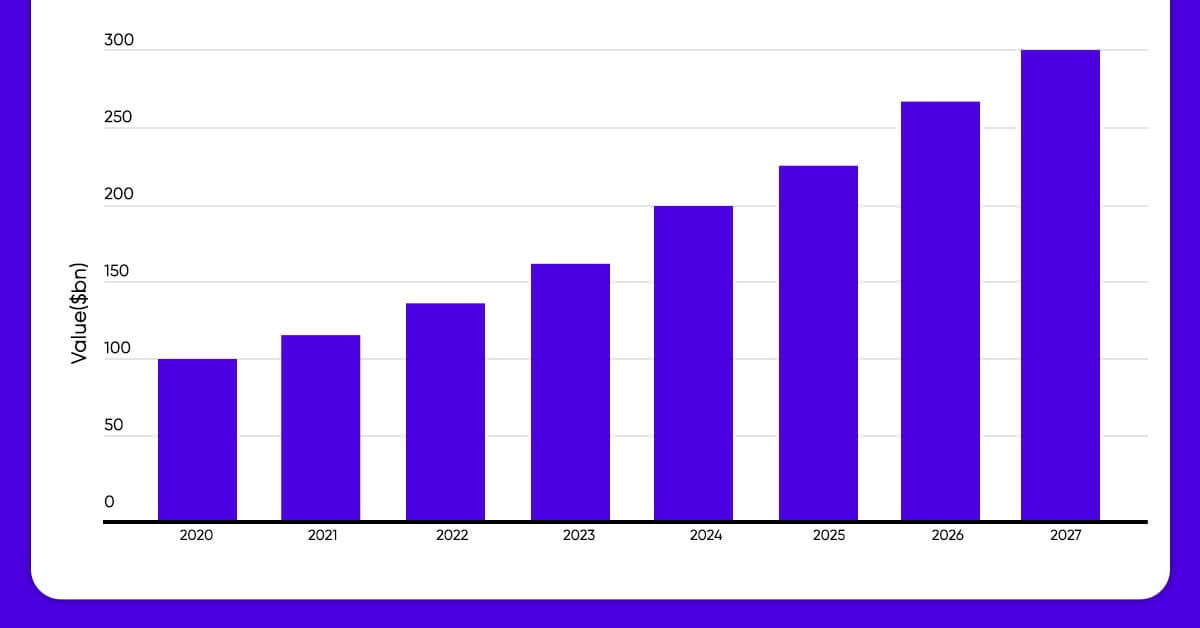
We anticipate the subsequent five years to get filled with additional global consolidations, though some markets (South Korea, India) have kicked the trend as well as supplanted international services like Delivery Hero and Uber Eats having homemade apps.
Are You Ready For Snap Delivered