x




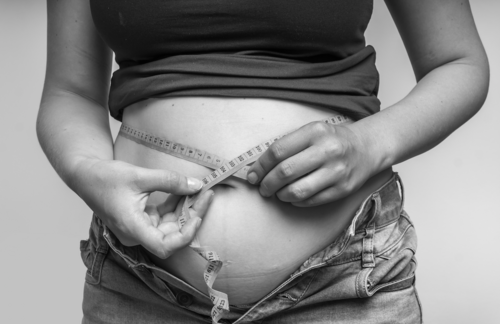

In our grandparents’ times, obesity was a rare occurrence. This has changed over the past four decades. According to the World Health Organization, obesity has almost tripled since 1975. Today, more than one-third of the world’s population is either overweight or obese. While this was more prevalent in first-world countries, it is now common in most parts of the world. Currently, obesity and being overweight kills more people than undernourishment. There is also an alarming rise in obesity among children. It has become a global epidemic.
Our understanding of obesity until the last decade indicated that it was a function of lifestyle choices. It is true that obesity is more prevalent in the western world. Immigrants and indigenous populations show higher rates of obesity after being introduced to a western diet. Until recently, obesity was only associated with an individual’s food choices. This implied that obesity was a matter of choice alone.
Recent studies say that there may be more to obesity than a simple choice. Researchers examined the gut microbiome of obese and non-obese individuals. They found that the gut microbiome of obese and non-obese individuals is different. This difference dictates how the body uses energy from the food we consume. It also indicates that obesity is not just a matter of food choices. It is instead a matter of how gut bacteria process that food. This shifts how we look at obesity, as a disease rather than a consequence of poor food choices.
To understand how the gut microbiome and obesity are connected, let’s take a closer look.
Our gut is home to trillions of microorganisms. There are 300 to 500 different kinds of bacteria living in our digestive tract. These contain almost 2 million genes. These bacteria, along with other microorganisms like virus and fungi, make up our gut microbiome. The gut microbiome plays a key role in digesting the food we eat and absorbing and synthesizing nutrients from our food. Several factors influence the composition of the gut microbiome in each individual. These factors include the microbiome we inherit from our mother’s body, our diets, and our lifestyle. The microbiome, in turn, affects different aspects of our body like our metabolism, mood, and immune system. Find out what your gut microbiome looks like.
Recent research into the role of the gut microbiome in obesity has uncovered some fascinating links. One study exploring this link examined the gut bacteria in obese and lean mice and human volunteers. They found that the relative abundance of two dominant types of bacteria, Bacteroidetes and Firmicutes, was different in obese and lean subjects. They further investigated the effect of this difference in gut microbiota in mice. They found that changes in gut microbiota affected metabolism. The microbiome in obese mice could harvest more energy from food than their lean counterparts. They also found that this effect could be transmitted. Colonizing lean mice with microbiota from obese individuals significantly increased total body fat. This study indicates that the gut microbiome plays an important role in obesity. ( It shows that changes in the gut microbiome have a significant impact on metabolic function.
Several other studies show the effects of the gut microbiome on insulin resistance, inflammation, and fat deposition in the body. They also show that gut microbiota responds to weight loss .
It is clear that the microbiome regulates several vital functions in the body, and alterations in gut microbiota have significant effects on health and well-being. What alters the gut microbiome? Dietary composition and caloric intake seem to affect gut microbial function quickly. Antibiotic use has been shown to decrease gut bacterial communities. The mode of delivery during childbirth also influences the gut microbiome.
We know that environmental factors alter the gut microbiome. An altered gut microbiome can lead to changes in metabolic function and, as a result, cause obesity.
Losing Weight and Taking Care Of Your Gut with XELLISS