x




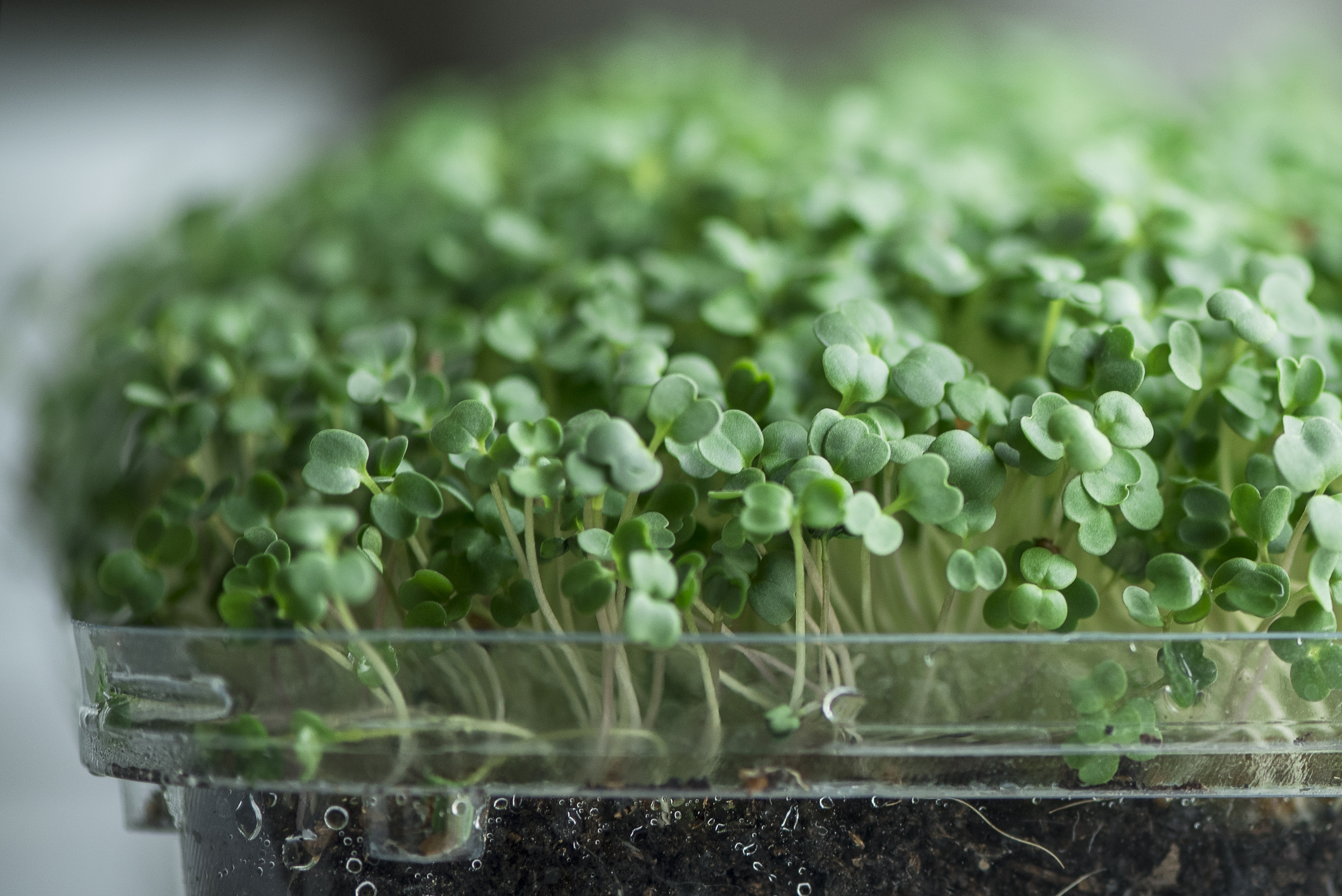
Over the last few years, microgreens have steadily gained popularity.
Now, I know you’ve probably heard of collard greens, mustard greens and even kale greens. But what in the world are microgreens.
These aromatic greens, also known as micro herbs or vegetable confetti, are rich in flavor and add a welcome splash of color to a variety of dishes.
Despite their small size, they pack a nutritional punch, often containing higher nutrient levels than more mature vegetable greens. This makes them a good addition to any diet.
There is evidence to suggest that microgreens have a high antioxidant content, which means that they may help prevent a range of diseases. Increasing evidence points to their immune-boosting capability. The exact types of antioxidant will depend on the plant.
Microgreens from the Brassica family, which include broccoli, contain high levels of vitamin E, a phenolic antioxidant. Asteraceae microgreens, such as chicory and lettuce, appear to be high in vitamin A, or carotenoid antioxidants.
Microgreens are young vegetable greens that are approximately 1–3 inches (2.5–7.5 cm) tall.
They have an aromatic flavor and concentrated nutrient content and come in a variety of colors and textures
Microgreens are considered baby plants, falling somewhere between a sprout and baby green.
Microgreens are more similar to baby greens in that only their stems and leaves are considered edible. However, unlike baby greens,…
they are much smaller in size and can be sold before being harvested.
This means that the plants can be bought whole and cut at home, keeping them alive until they are consumed.
Microgreens are very convenient to grow, as they can be grown in a variety of locations, including outdoors, in greenhouses and even on your windowsill.
Salad greens, leafy vegetables, herbs and even edible flowers can be grown as microgreens, though some varieties are better suited than others. Beginners often start by growing one type of seed, such as broccoli, cauliflower, cabbage, mustard, chia, sunflower or buckwheat — among the easiest-to-grow varieties of microgreens — in a single container. (You can easily grow different seeds in several containers, and mix your microgreens after harvesting.)
If your climate is suitable, microgreens can be also be grown outdoors in the garden, under shade. Like all fragile seedlings, you’ll need to protect them from weather extremes and drying winds, not to mention hungry garden pests.
.png)