x




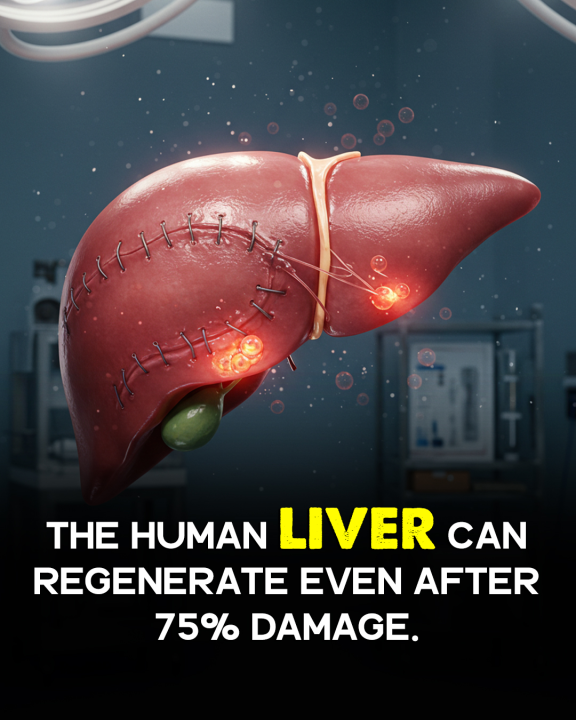
The human body has some incredible abilities, and one of the most fascinating is the liver's power to regenerate itself. If up to 75% of your liver is surgically removed or damaged, it can grow back to its full size within just a few months. This regenerative ability is essential for survival, especially in cases of liver injury, disease, or surgery.
The liver regenerates through the rapid division of healthy liver cells called hepatocytes. When the liver is injured or partially removed, chemical signals are sent out that trigger these cells to multiply. Growth factors like HGF (hepatocyte growth factor) and cytokines such as IL-6 play a key role in initiating and sustaining this regeneration. Unlike scar formation in most tissues, liver cells restore both the structure and function of the organ during this process. Supporting cells like endothelial cells and Kupffer cells also help by managing inflammation and aiding new tissue growth.
Thanks to this complex coordination, both size and function are restored efficiently. This is why partial liver transplants work—the donated portion and the remaining part in the donor can both regrow to full size and function. It's a unique and lifesaving capability found in no other human organ to this extent
To Your Health www.bovinebob.com