x




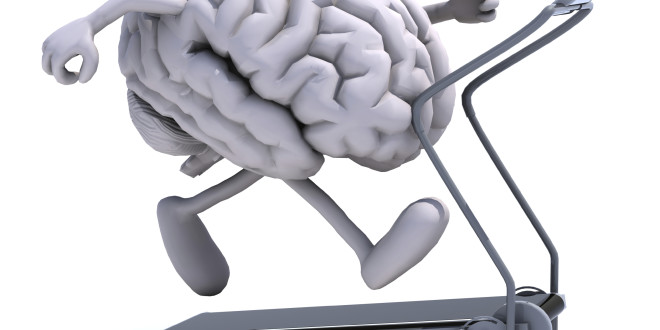
Although Alzheimer’s disease does not have a cure, research indicates exercise can help protect the brain, even of those genetically predisposed …

Exercise helps you stay strong physically and mentally.
After an individual turns 60 years old, their risk of Alzheimer’s disease and other forms of dementia increases. However, changes in the brain may begin up to decades prior to presentation of symptoms. Specifically, the disease silently accelerates atrophy of the hippocampus, a portion of the brain critical for memory processing. There are protective therapies known to help delay the cognitive deterioration associated with this disease. Research proves exercise is now one of them.
Recent studies showed exercise helped those who carry the e4 gene, a gene variant significantly linked to Alzheimer’s. One study’s outcome proved moderate exercise helped slow the negative impact this gene has on the brain, both before and after symptoms present.
In another study, those who carried the e4 gene– and exercised regularly– showed almost no shrinkage of the hippocampus area of the brain. This group performed better in cognitive functioning tests. Those with the gene who did not exercise showed significant shrinkage of the hippocampus. This area, critical to memory function, shrunk by about three percent in the sedentary group.
Exercise Has a Protective Effect
“The brains of physically active volunteers at high risk for Alzheimer’s disease looked just like the brains of people at much lower risk for the disease,” according to Dr. Stephen M. Rao, a professor at the Schey Center for Cognitive Neuroimaging at the Cleveland Clinic, who oversaw the study. Those with the e4 gene who were sedentary slipped structurally toward dysfunction. The differences in brain structure between the two groups was describe as significant.
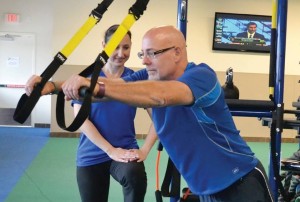
Protect your future.
Until recently, very little could be done to help ward off the tragedies of Alzheimer’s disease, including medication. These findings may inspire physicians and their patients to more readily investigate genetic markers for Alzheimer’s. Those at high risk for Alzheimer’s may feel empowered by knowing they can make a difference in their future. A commitment to fitness can help protect their memory and cognitive functioning.
Additional studies proved the benefit of aerobic exercise on Alzheimer’s:
During this six-month study, brains became more efficient. The chief science officer of the Alzheimer’s Association indicated, “These findings highlight the potential value of non-drug therapies for Alzheimer’s disease and other dementias.”
How Exercise Builds Brain Power
The exact reason exercise helps those with Alzheimer’s disease, or at risk for it, needs further investigation. Both the e4 gene and exercise alter fat metabolism within the brain. Exercise may counteract some of e4’s negative effects. Physical activity also improves blood flow and increases chemicals that protect the brain. It also combats some of the natural breakdown in brain connections that coincides with normal aging.

Stay active. Stay sharp.
Experts suggest working out several times a week in 30- to 60-minute sessions. Along with tighter abs and stronger biceps, you may accomplish: sharper mental skills; improved memory, reasoning, and judgment for those with mild dementia; and delayed onset of Alzheimer’s for those at risk, with slowed progression of the disease for those already symptomatic.
Everyone has a chance of developing Alzheimer’s disease, including those who are not genetically predisposed. A healthy lifestyle, including regular exercise and proper nutrition, helps reduce the impact of dementia-related illness. It also provides a plethora of other mental and physical benefits. A fitness regimen, whether proactive or as therapeutic treatment, can have a positive impact on brain function.