x




One egg has 6 grams of the stuff, with all nine “essential” amino acids, the building blocks of protein. That’s important because those are the ones your body can’t make by itself. The egg white holds about half that protein and only a small portion of the fat and cholesterol.
That means eggs have more nutrients -- vitamins, minerals, amino acids -- per calorie than most other foods. Have an egg and you'll get:
This “good” cholesterol, called HDL, seems to go up in people who have three or more eggs a day. Of course, LDL, the “bad” type, goes up, too. But the individual pieces of each get bigger. That makes it harder for the bad stuff to hurt you and easier for the good stuff to clear it away.
Your doctor tests you for these along with HDL and LDL. Lower triglycerides are better for your health. Eating eggs, especially those enriched with certain fatty acids (like omega-3s), seems to bring down your levels.
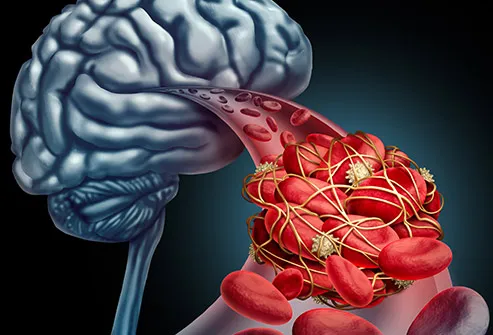
Though studies vary, it appears that a daily egg might lower your risk. In a recent Chinese study, people who had about one a day were almost 30% less likely to die from hemorrhagic stroke than those who had none.
At about 70 calories per egg, you know exactly what you are getting. And they travel easy, too. Hard boil a couple and stick ‘em in your cooler. Add a salad or a couple of slices of bread and you’ve got a quick, healthy lunch.
At 20 cents a serving, you can’t beat it for a high-quality protein that won’t break the bank. Add a slice of whole-grain toast, some avocado, and a little hot sauce, and you have a meal fit for a king at a pauper’s price. And you don’t have to worry about sugar or carbs because eggs don’t have either.