x





There’s this funny thing that is happening because of the pandemic. People are deciding that they are tired of the pandemic and therefore it must not be a threat anymore. There’s actually a psychological reason why we do this – during times of great stress our brains just can’t think rationally anymore. The result is we do irrational things, like decide that there’s an international conspiracy to get us to wear face masks or we buy way more toilet paper than we actually need. It’s completely normal to do these things, but you have to start to outsmart your own brain.
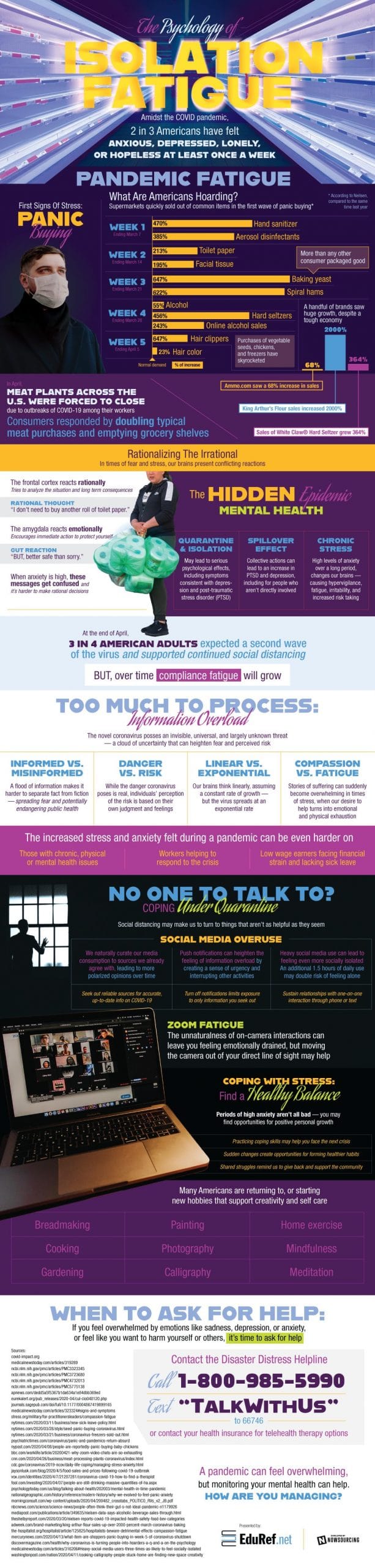
Two thirds of Americans have felt depressed, lonely, or helpless at least once a week during the pandemic. This has led to some obvious behavior changes such as panic buying. At first people were buying up hand sanitizer and toilet paper, but as the pandemic waged on the sale of baking yeast went through the roof as people began to take up baking at home as a hobby. Hard seltzers and other alcoholic beverages also flew off shelves as people began to drink more to cope.
There is a hidden health impact to these trying times. Over time extreme sustained stress can lead to symptoms associated with depression and post traumatic stress disorder. Chronic stress can also lead to changes in the brain that can cause hypervigilant behaviors, fatigue, irritability, and increased risk taking.
We have to outsmart our brains if we are going to make it through this pandemic. Recognize that the threat of contracting the novel coronavirus is still there even though we have become accustomed to the threat over the last several months. Wear masks and continue to wash hands and disinfect frequently touched surfaces.
The psychology of isolation fatigue is becoming an increasing threat. Learn more about how to fight back against it from the infographic below.