x




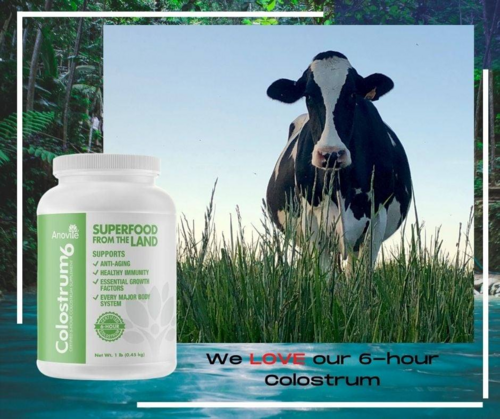

Colostrum is a milky fluid that is secreted from mammals the first few days following giving birth. It differs from milk in that the antibody levels are up to 100 times that of milk for the purpose of fighting diseases from bacteria and viruses.
Main purposes include:
1. Delivering nutrients
2. Strengthen immune system
3. Intestinal microbiota balancing
4. Gastrointestinal health
5. Enhance tissue growth and repair
It is high in nutrients and low in fat, making it easy for newborns to digest. It serves the purpose of both delivering nutrients and helping to pass immunity from pathogens from the mother to the child. Homologous transfer occurs from the mother to the child of the same species. Heterologous transfer occurs from the mother of one species to a member of another species, for example from cows to humans. Bovine colostrum is that from cows. It is hypothesized that bovine colostrum could help with intestinal problems in humans. Hyperimmune bovine colostrum has been created by humans by giving cows vaccines.
● The cows produce antibodies against these disease agents and pass these through the milky fluid
● Currently being tested for treatment of diarrhea caused by rotavirus in children, AIDs and following bone marrow transplant
● The hope is that these cow antibodies will work in humans, however thus far the antibodies do not seem to be very active in humans
A 2014 study published in the Nutrition and Reviews journal looked at 51 studies looking at the benefits of bovine colostrum in humans.
● Studies hypothesized that bovine colostrum could provide immunological and gastrointestinal benefits
● Of the studies that have confirmed these benefits, they had poor methodology and the results were not confirmed by repeat investigation
*Further studies are needed to draw clinical use conclusions
The colostrum makeup varies by mammal depending on their reproductive strategy - this means that the content and the purpose of the colostrum differs between species.
Immunoglobulins are a family of proteins found in milk, mucus and blood.
● The antibodies in colostrum
● Different classes: IgM, IgA, IgG, IgE, IgD
● IgM - associated with primary infection, the first time an organism is exposed to an antigen.
● low potency in preventing infection
● IgA - found in mucosal secretions
● IgG - the main immunoglobulin found in bovine colostrum and milk