x




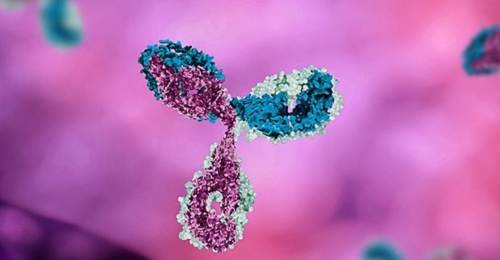
The Role of Bovine Colostrum in Fighting Superbugs

Bovine colostrum is our last and most promising hope for survival against superbugs. Studies show that bovine antibodies can be effective in the prevention or treatment of human and animal diseases caused by enteropathogenic microbes (bacteria, viruses, protozoans, and fungi). Bovine colostrum passes immunity to all the disease-causing pathogens that the cow has encountered in her lifetime, including the antibodies she received from her mother. While the female cow is expressing colostrum, she is essentially a broad-spectrum, all-natural pharmacy.
The Center for Nutritional Research recommends bovine colostrum supplements to help neutralize bacterial pathogens found in the food supply and to prevent potentially deadly illnesses caused by antibiotic-resistant superbugs. Supplementing with bovine colostrum is an added defense against bacterial pathogens in the nation’s food supply. Bovine colostrum contains natural antibodies against all six bacterial strains detected by the Consumer Reports investigative team -- Enterococcus, E. coli, campylobacter, klebsiella pneumonia, salmonella, and staphylococcus aureus -- among many others. These superbugs may be antibiotic resistant, but they’re no match against antibodies. Taking colostrum on a daily basis, in addition to proper food handling habits, can help prevent these nasty, deadly pathogens from infecting humans.
The efficacy of any bovine colostrum supplement is determined by the antimicrobial activity of the specific antibodies, which must be preserved during the manufacturing process. There is only one colostrum supplement on the market that undergoes a rigorous testing protocol to certify that it is from the first milking and is free of antibiotics and pesticides.