x



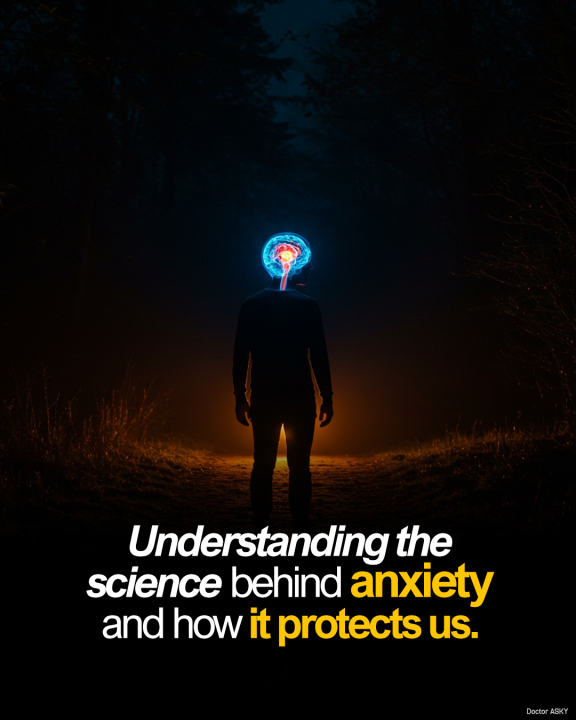
Anxiety is a natural feeling that many people experience from time to time. It’s the sense of fear, worry, or apprehension that arises when we think there’s a threat around us, whether real or imagined. Surprisingly, anxiety isn’t always a bad thing. In fact, it’s thought to be a protective mechanism that helps keep us safe by alerting us to potential dangers.
When we feel anxious, our brain perceives a threat, and our body reacts by preparing for action. This leads to physical changes: our heart rate increases, blood pressure rises, and we sweat more. These are all part of the “fight-or-flight” response, which helps us get ready to handle a dangerous situation. However, when the threat is imagined, we experience the uncomfortable physical symptoms of anxiety, like heart palpitations, shortness of breath, trembling, or nausea.
Psychologist Sigmund Freud described anxiety as a “signal of danger,” triggering defensive behaviors to protect us. According to his theory, anxiety often stems from past traumatic experiences, and when we face reminders of those experiences, we feel the anxiety again. This emotional reaction can make us want to escape or avoid the situation. But if we keep running from anxiety, it only makes it stronger the next time we face something similar.
Learn More: www.bobbybrownbiz.com