x





"Will you still need me, will you still feed me - when I'm 64?" - The Beatles...and your dog (in dog years, of course).
Dogs experience similar age-related changes to people, such as diminishing senses, cognitive ability, and arthritis. This article will explore some common changes and how we can help them with proper senior dog care.
Because blindness and hearing loss can create anxiety in pets and affect the human-animal bond (which then affects their life quality), strategies to cope with blindness and hearing loss in pets should be considered. Loss of smell, touch, and taste in pets is rare as far as we know.
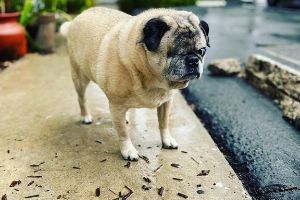
Cataracts and acquired vision loss all contribute to poor vision. As a pet owner, you may notice this more at night or when walking outside where the dog is less familiar with their surroundings. Throwing a small object or setting up a little obstacle course may help these changes come to light. Blindness can occur gradually or suddenly. Treating the underlying cause is important although, for some conditions, there is no treatment. How rapidly blindness occurs often dictates how well our pets adjust. Most dogs adapt and live normal happy lives. Vision is not a dog's primary sense and most adjust their hearing and sense of smell to compensate.
Unsafe areas in the house need to be blocked off (pools, stairs, etc.) You can place bells on other pets in the house. If you need to rearrange furniture, do it very gradually. Teach your pet verbal cues when approaching unsafe areas like stairs or corners. Cues like “slow down”, “wait”, “Watch out” can help. They can still play with fetching toys and balls. Use ones that make noise or a kong that you can stuff with smelly treats like peanut butter. Halos and Visors (Optivizor) can keep them from bumping their head into things. Living With Blind Dogs by Caroline Levine is a great resource.
Hearing loss starts with middle and high-frequency sounds. People often interpret early hearing loss as behavioral or they say their pets have “selective hearing”. They generally do not recognize hearing loss until it is advanced. It is usually only detected when there is loss on both sides and it is almost complete. Hearing loss in pets is usually very gradual. Communication with pets can become very frustrating and they also will startle very easily but, with time and some training (on both of your parts!), they can still live a happy life.

Approach your pet within their field of vision to try and diminish startling them. If your pet is sleeping or resting, try putting their hand in front of their nose to allow your pet to smell you before you actually touch or startle them. Using a familiar scent may aid in awakening a deaf pet. If they still do not awaken, then softly touch a non-painful part of the body. Avoid the face.
Train your pet to understand hand, arm, and body signals. It would be wise to teach your dog in this manner prior to the onset of hearing loss. A flashlight can be used to get their attention and to guide them. Some pets can actually still sense vibrations so stomping feet on the floor or clapping hands can also be used effectively.
Deaf pets should be leash-walked only and supervised when they are in a fenced yard. They should also wear a tag saying that they are deaf in case they get out.
Cognitive dysfunction—similar to dementia—has a subtle onset but is progressive and will result in a substantial decline in a pet's overall quality of life. People rarely bring the early signs of cognitive dysfunction to our attention because they are very subtle. Symptoms often mimic other age-related conditions, such as pain and metabolic disease. These need to be ruled out first. Cognitive dysfunction is a diagnosis of exclusion.
We know that, just as in human Alzheimer’s disease, changes may be occurring for years before they become recognized. Any behavior changes should be discussed with your veterinarian during senior wellness visits, as there is the possibility of slowing progression through a combination of supplements, diet, and behavior modification. Treatment is variable depending on what symptoms are being expressed.
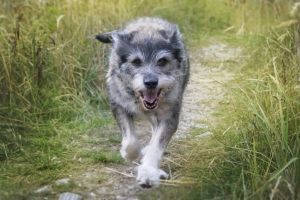
Approximately 25 percent of dogs are diagnosed with arthritis in their lifetime, and as many as 60 percent of dogs have radiographic evidence of it. Arthritis is due to years of wear and tear on the joints or due to a previous injury. Arthritis can affect any age, sex, and breed of dog. Lameness and difficulty rising are the most common signs. They may happen once in a while and get worse over time. Stiffness is common after periods of rest. Stiffness and lameness may decrease when the dog warms up a bit with some activity. Lameness often gets worse after periods of overexertion.
Radiographs should be taken to rule out other painful conditions and to identify the location and severity so appropriate recommendations can be made for treatment. Most often a multimodal approach is taken that includes supplements, exercise, pain medication, weight loss when needed, and physical therapy exercises which can often be done at home. Laser therapy and acupuncture are also options for older pets.
The most common organs to exhibit age-related organ dysfunction are the kidneys and liver. Other organs, such as the heart, lungs, intestinal tract, adrenal glands, thyroid, and brain are also commonly affected. Signs of organ dysfunction are often identified during biannual exams and with lab work. Treatment is dependent on the organs involved and the severity of the problem.
We'd like to end with this quote: “Just because he’s getting old doesn’t mean that we just stand on the sidelines and let him get old. There are things we can do to intervene and improve the pet's ability to function and improve its quality of life.” - Dr. Marsha Reich