x




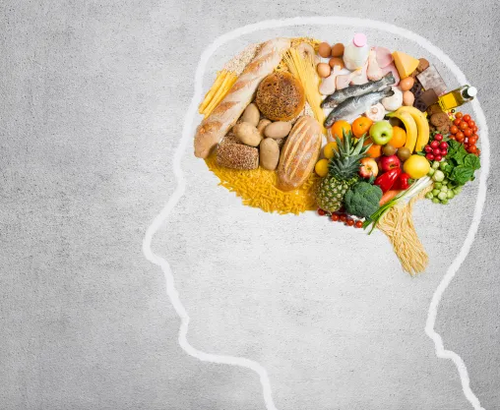
Think about it. Your brain is always on. It takes care of your thoughts and movements, your breathing and heartbeat, your senses it works hard 24/7, even while you?re asleep. This means your brain requires a constant supply of fuel. That fuel comes from the foods you eat and whats in that fuel makes all the difference. Put simply, what you eat directly affects the structure and function of your brain and, ultimately, your mood.
Like an expensive car, your brain functions best when it gets only premium fuel. Eating high-quality foods that contain lots of vitamins, minerals, and antioxidants nourishes the brain and protects it from oxidative stress the waste (free radicals) produced when the body uses oxygen, which can damage cells.
Unfortunately, just like an expensive car, your brain can be damaged if you ingest anything other than premium fuel. If substances from ?low-premium? fuel (such as what you get from processed or refined foods) get to the brain, it has little ability to get rid of them.
Diets high in refined sugars, for example, are harmful to the brain. In addition to worsening your bodys regulation of insulin, they also promote inflammation and oxidative stress. Multiple studies have found a correlation between a diet high in refined sugars and impaired brain function and even a worsening of symptoms of mood disorders, such as depression.
It makes sense. If your brain is deprived of good-quality nutrition, or if free radicals or damaging inflammatory cells are circulating within the brains enclosed space, further contributing to brain tissue injury, consequences are to be expected. Whats interesting is that for many years, the medical field did not fully acknowledge the connection between mood and food.
Today, fortunately, the burgeoning field of nutritional psychiatry is finding there are many consequences and correlations between not only what you eat, how you feel, and how you ultimately behave, but also the kinds of bacteria that live in your gut.
How the foods you eat affect how you feel
Serotonin is a neurotransmitter that helps regulate sleep and appetite, mediate moods, and inhibit pain. Since about 95% of your serotonin is produced in your gastrointestinal tract, and your gastrointestinal tract is lined with a hundred million nerve cells, or neurons, it makes sense that the inner workings of your digestive system don?t just help you digest food, but also guide your emotions.
Whats more, the function of these neurons and the production of neurotransmitters like serotonin is highly influenced by the billions of good bacteria that make up your intestinal microbiome. These bacteria play an essential role in your health. They protect the lining of your intestines and ensure they provide a strong barrier against toxins and bad bacteria; they limit inflammation; they improve how well you absorb nutrients from your food; and they activate neural pathways that travel directly between the gut and the brain.
Studies have shown that when people take probiotics (supplements containing the good bacteria), their anxiety levels, perception of stress, and mental outlook improve, compared with people who did not take probiotics. Other studies have compared ?traditional diets, like the Mediterranean diet and the traditional Japanese diet, to a typical Western diet and have shown that the risk of depression is 25% to 35% lower in those who eat a traditional diet.
Scientists account for this difference because these traditional diets tend to be high in vegetables, fruits, unprocessed grains, and fish and seafood, and to contain only modest amounts of lean meats and dairy. They are also void of processed and refined foods and sugars, which are staples of the Western dietary pattern. In addition, many of these unprocessed foods are fermented, and therefore act as natural probiotics. Fermentation uses bacteria and yeast to convert sugar in food to carbon dioxide, alcohol, and lactic acid. It is used to protect food from spoiling and can add a pleasant taste and texture.
This may sound implausible to you, but the notion that good bacteria not only influence what your gut digests and absorbs, but that they also affect the degree of inflammation throughout your body, as well as your mood and energy level, is gaining traction among researchers. The results so far have been quite amazing.
What does this mean for you?
Start paying attention to how eating different foods makes you feel not just in the moment, but the next day. Try eating a clean diet for two to three weeks that means cutting out all processed foods and sugar. Add fermented foods like kimchi, miso, sauerkraut, pickles, or kombucha. You also might want to try going dairy-free and some people even feel that they feel better when their diets are grain-free. See how you feel. Then slowly introduce foods back into your diet, one by one, and see how you feel.
When my patients go clean, they cannot believe how much better they feel both physically and emotionally, and how much worse they then feel when they reintroduce the foods that are known to enhance inflammation. Give it a try!
For more information on this topic, please see: Nutritional medicine as mainstream in psychiatry,Sarris J, et al.Lancet Psychiatry. 2015
The field of Nutritional Psychiatry is relatively new, however there are observational data regarding the association between diet quality and mental health across countries, cultures and age groups ? depression in particular.
.jpg)