x



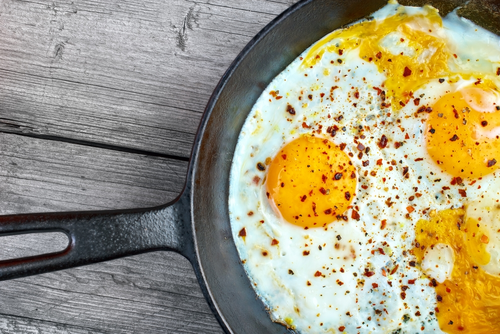
If there was one food that could increase good cholesterol, provide 13 essential vitamins and minerals, and reduce the risk of type 2 diabetes … while building muscle, making you feel full and satisfied, and boosting your energy longer … well, wouldn’t you say it sounds like the perfect food?
New research is showing this once controversial protein is definitely good for you. You’ve probably guessed I’m talking about eggs – and now scientists have discovered yet another benefit…
Several new studies have been published recently showing the multiple benefits of eating this all-natural protein for breakfast. Eggs are affordable sources of high quality protein that helps reduce the risk factors for metabolic syndrome, which can lead to type 2 diabetes and cardiovascular disease. Metabolic syndrome is often called pre-diabetes.
A large waistline is one of the several risk factors included in metabolic syndrome. A gut hanging over your belt indicates fat is growing around vital organs. Weight management is essential in preventing type 2 diabetes.
Dr. Barbara Gower from the University of Alabama showed that a high protein diet with 40% carbohydrates — compared with a “normal” 55% carbohydrate diet — allowed overweight adults to lose dangerous visceral fat specifically.
Dr. Gower also made a point to note that the 40% carb diet was higher in fat—indicating the presence of healthy fats is good for healthy people. Plus, the diet promoted insulin sensitivity, another key factor in preventing diabetes. (3)
A recent study from Metabolism agreed: whole eggs improved the types of fat in the blood and insulin sensitivity better than egg-substitutes. (4)
The controversy over whether eggs are healthy comes down to the nutrient-dense yolk. While the yolk contains the saturated fat that concerns some doctors, it also contains healthy monounsaturated and polyunsaturated fats, omega-3 and omega-6 fatty acids, vitamins A, D, and E, and most of the egg’s calcium.
Egg whites are nutritious too. They contain essential minerals like potassium, selenium, and magnesium. When it comes to protein, the white and the yolk are almost equal. But the yolk is rich in nutrients you won’t find in the white. Together, they make for a well-rounded food.
And, Dr. Thomas Behrenbeck, a Mayo Clinic cardiologist, says, “Eating four eggs or fewer per week hasn’t been found to increase your risk of heart disease.” (2)
But, if you’re still worried about the fat content in eggs, try this trick. Cook two eggs: one whole, with the yolk, and one with the yolk removed. You’ll get double the protein without doubling the fat.
Personally, I don’t worry about the fat in egg yolks. It’s good for you.
There is a lot of confusion over which type of egg to buy. These are my recommendations when purchasing eggs:
I hope these studies put your mind at ease, and you’re able to re-introduce the incredible egg back into your breakfasts.