x




After a year of silence, shopkeepers' bells chimed again as customers trickled back through cafe doors. They came slowly at first, then in droves, but they arrived with different tastes and expectations than before. Enduring an ongoing pandemic heightened public health awareness. Patrons are cutting coffee drinks laden with artificial colors, sugar, and cow’s milk in favor of simple and ethically sourced coffee and tea beverages enriched with plant-based ingredients.
When people choose to visit a coffee shop in 2022, they will make up for the lost time by staying longer and ordering more. However, quarantines cemented the importance of off-premise business models. Many of today’s coffee and tea consumers drink their beverages at home or on the go, so businesses should diversify their e-commerce and takeaway options. From drink trends to the evolution of coffeehouse culture, discover what is in store for the coffee and tea market in 2022.
Top 5 Coffee Trends
Quality and convenience are the driving forces behind the top coffee trends of 2022. The average American consumes two cups of coffee a day. They are making at least one of those two cups at home and many want fast options they can grab on the go for cup No. 2. However, people aren’t willing to sacrifice sustainable sourcing and flavor. The coffee market must provide options that taste great, are easy to whip together, and are healthful for patrons' bodies and the planet. Discover the top 5 coffee trends of 2022 below:
Once upon a time, coffee pods were the answer to fast and convenient homemade coffee. However, when dalgona coffee recipes overtook the popular social media app TikTok during coronavirus quarantines, the focus shifted onto instant coffee. Fast forward to 2022, and people are using various forms of instant coffee as environmentally responsible coffee pod replacements.
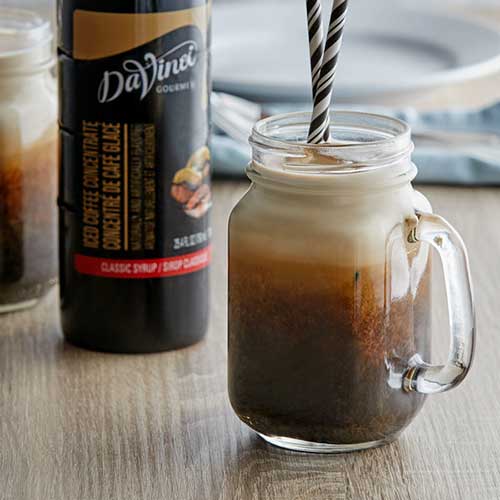
Consumers seeking instant coffee have different interests and needs than pour over enthusiasts. Before transitioning to remote work, this crowd grabbed coffee at a drive-through or used their break room’s Keurig. They seek speed, savings, and convenience, but they don’t want to sacrifice flavor. Premium instant coffee as liquid coffee concentrates, RTD (ready to drink) cans of coffee, and coffee powders will be the hottest coffee trends of 2022.
People are looking for a premium experience when they visit a coffee shop, and that starts with freshly roasted beans. Raw coffee beans are green-hued and grassy tasting. Coffee roasting is heating and browning coffee beans to bring out their aroma and flavor. Once they’re roasted, coffee beans lose their freshness. The sooner you grind and brew your roasted coffee beans, the better. While working with a local roaster is a great option, the freshest cup of coffee is one you roast yourself. You can tap into the home brewing market by selling your roasted beans both in your store and on your website.
Flavored coffee beans are on the rise in 2022. Given the health crisis we’ve suffered through the past two years, people want to safeguard their well-being by improving their diet. However, amending dietary habits can frustrate coffee drink lovers. How can they enjoy the beloved flavor of a pumpkin spice latte without the sugar and artificial coloring? Enter flavored coffee beans.
Roasteries add flavoring oils to their coffee beans to mimic nuts, spices, and fruits without the sugar. In the past, companies used flavorings to mask substandard beans and only offered unimaginative basics like French vanilla. Today, craft roasters use premium beans to create fanciful flavors such as bananas foster, pistachio gelato, and bourbon pecan.
Single origin coffee, also known as single source coffee, is harvested from a single crop, country, or region and carries the unique flavor notes of its origins. Today’s coffee consumer cares about ethical procurement, unique flavor experiences, coffee tourism, and sustainability. Tracing beans back to their grower allows you to confirm that they are fair trade, sustainable, and organic.
Single origin coffee beans cost more than coffee blends, but their retail value is far greater. Coffee drinkers will pay 200% more for roasts with a clear origin country. The more information you can provide about your single origin selections, the better. Customers want to engage with the region and culture that made their beverage, and they appreciate seeing their purchase support a small farm.
As its name suggests, snapchilling takes coffee from piping hot to icy cold in a matter of minutes. MIT alumnus, David Dussault, developed snapchill technology for his cold beverage business, Elemental Beverage Company. Think of Elemental snapchillers as tabletop, instant blast chillers for liquids. Operators set the snapchill machine to the cold temperature that best suits their roast, add water, and it will brew + chill the coffee to the prescribed temperature in 60-seconds per 12 ounces.
The advent of snapchill technology presents a welcome alternative to iced coffee and cold brewing. Pouring coffee over ice dilutes its flavor, and chilling coffee in the fridge oxidizes the beans. While cold-brewed coffee avoids these foibles, cold water does a poor job of extracting the coffee beans' full flavor, and it takes a long time to make. Brewing coffee with hot water and immediately chilling it preserves its flavor and saves time. You can serve fresh glasses of snapchilled coffee to guests on your coffee shop premises, or you can bottle snapchilled coffee and sell it on the booming RTD market.

Tea may usurp coffee and become the most consumed beverage in America. Approximately 87% of millennials (who now dominate the workforce and, with it, the economy) drink tea, according to the Tea Association of the USA. Many members of Gen Z (those born after 1997) prefer tea to coffee. As Gen Z's consumption habits shape the marketplace, tea will dominant the nonalcoholic beverage market.
According to a research study published by BevNET.com, millennials and Gen Z will pay for higher-quality teas, seek botanicals, and enjoy ready-to-drink tea products. Both groups seek ethically and sustainably sourced tea in flavorful blends and global styles.
If you haven’t already, now is the time to invest in the tea industry. According to a Grand View research report, the global tea market will grow at a compound annual rate of 5.5% from 2019 to 2025, soaring to USD $18.42 billion by 2025. Discover the top tea industry trends to stay ahead of the curve.
Seeking premium tea experiences, people are turning to pure, high-grade loose-leaf tea. Unlike most bagged teas, loose leaf tea leaves remain intact and produce a stronger flavor. Purveyors use whole tea leaves to make loose leaf tea and package it in paper bags, glass jars, or tea chests. You brew loose leaf tea by placing the leaves in a tea ball or strainer and steeping them in hot water. The water temperature and time will vary depending on the type of tea you’re making. In contrast, bagged teas are made with broken or ground tea leaves packed into individual tea sachets.
Modern tea drinkers expect a variety of global loose leaf tea options. Health-conscious Gen Z reported a 38% preference for green tea compared to black tea at 19%. Purveyors of loose-leaf tea should create exciting and dynamic tea blends enriched with fruit peels, flower petals, and spices. Plain or unflavored teas are the least popular varieties amongst both millennials and Gen Z. What tea flavors do consumers want? According to a GlobalData consumer survey, Gen Z consumers opt for “herbal” and “sweet” tea infusions, and millennials favor “fruity” and “herbal” flavorings.
Herbal teas are blends of herbs, spices, and other plant materials infused into hot water. Because they aren’t derived from the Camellia sinensis plant (which produces black, green, white, and oolong tea), herbal infusions are not technically tea. However, they’re often referred to as tea because they’re prepared in the same way. Herbal teas without tea leaves are decaffeinated. Some herbal blends contain actual tea leaves and are caffeinated, so make sure you check the ingredients before brewing an herbal tea before bed.
Discover the flavors and benefits of the most popular herbal infusions trending in 2022:
Sparkling tea is a mixture of sparkling water and tea, making it a healthy alternative to soda. You can tap into several markets with the sparkling tea trend. Reach the health-conscious consumer by creating sparkling teas from organic tea leaves, botanicals, and real fruit extracts. Meet the growing demand for RTD drinks by bottling your sparkling teas for retail sales. Easily create sparkling tea on the premises of your coffee shop or restaurant by mixing tea with water from your soda gun. Bars can create low ABV tea cocktails or tea mocktails by adding alcohol, cocktail mixes, or bitters to sparkling tea.
Powdered tea, sometimes called instant tea, comprises ground tea leaves. Simply add water (or milk to create a tea latte) to convert the tea powder into a refreshing beverage. Powdered teas are growing in popularity because they are easy to prepare. They’re also rich in nutrients because, unlike steeped teas, you’re consuming the tea leaves and herbal infusions in their entirety.
Discover the Top 3 Powdered Teas of 2022:
Purple tea comes from a purple-tinted cultivar of the tea plant (Camellia sinesis). The bulk of commercially available purple tea is grown in Kenya, but it’s also produced in China, Japan, and India. Kenyan purple tea has many health benefits. It contains the same antioxidants and anthocyanins as purple and blue foods like blueberries, red cabbage, and chokeberries. Purple tea contains the highest levels of anthocyanin – 135, thereby usurping green tea as the most effective choice for glucose regulation and weight loss.
If you’re expecting your purple tea to brew a bright purple beverage, you will be dissatisfied. The tea plant that yields purple tea has a characteristic purple tint, but it won’t produce a vibrant color when brewed. Purple tea tastes sweet and woodsy; imagine green tea without its tannin bitterness and astringency. If you’re looking for a low-caffeine tea option, purple tea contains less caffeine than black or green tea.

Knowing coffee and tea consumers' latest flavor and sourcing preferences isn’t enough to run a successful coffee shop in 2022. You need to stay up to date on brewing trends, understand customers’ experiential desires, and diversify your menu past traditional coffee drinks and tea offerings. We break down the top coffee house trends of 2022 so you can successfully run your cafe.
Nitro coffee paved the way for tap beverages in coffee shops. Now, owners are using their tap systems to offer kombucha, tea, and batch iced lattes. Some coffee shop owners are investing in liquor licenses and offering beer and wine on tap. Discover the benefits of the most popular coffee shop beverages on tap below:
In 2022, true coffee aficionados will seek cafes that use advanced brewing methods to create evenly extracted cups of coffee. Coffee lovers know that pour over coffee offers a more evenly extracted and flavorsome brew. Traditional pour over coffee is labor-intensive and requires an extended wait time which frustrates the convenience-driven consumer. Automatic control pour over machines are emerging as a popular piece of coffee shop equipment for coffee shop owners. They work comparably to drip coffee machines, but they allow the grounds to release their oils (aka bloom) which creates a more robust coffee flavor.
If it doesn’t come from the cannabis plant or contain any psychoactive compounds, coffee and tea shops in the United States can legally add CBD oil to their beverages. CBD is an abbreviation of cannabidiol, a non-psychoactive ingredient in cannabis and hemp plants. Because CBD often reduces anxiety, java lovers turn to CBD coffee for the flavor and alertness they crave without the jitters. According to factmr.com, CBD-laced coffee and tea appeal to health-conscious consumers and persons suffering from chronic or life-altering pain. Given its target audience, coffee shops should add CBD to beverages with other health benefits such as botanical teas, kombucha, and turmeric- or matcha lattes.
During the pandemic, most jobs that were performed in person went remote, and many have remained remote. Today, there are four to five times more remote workers than before the pandemic. While people appreciate the work-life balance and savings of remote work, many also feel isolated and creatively stagnate. Coffee shops can become coworking spaces for remote workers who are eager for a communal working environment. Consider implementing the following to cater to the remote workforce at your coffee shop:
Unsurprisingly, the popularity of coffee house drive-thrus skyrocketed in 2020, with 48% of survey respondents reporting that they purchased coffee from a drive-thru service the day prior. As businesses reopen, those heading back to in-person work appreciate the speed and convenience of drive-thru coffee, and the public now relies on this service. While many consumers would rather support a small coffee house, they lean on chains for the speed and convenience their drive-thru provide. If your space allows, creating a drive-thru service at your coffee shop is a great way to remain competitive.
In 2020, we saw the power of the popular social media platform TikTok to inspire coffee trends when millions of users shared recipes for dalgona coffee (aka Korean whipped coffee). Today, it’s not uncommon to find dalgona coffee on trendy coffee shop menus. TikTok continues to act as a tastemaker, and many of the top food trends of 2022 will come from this social media site. From your drink offerings to your small bites, use TikTok for menu inspiration to attract Gen Z customers and foodies of all ages. We’ve rounded up some of the top TikTok food trends, but you should monitor food tags to stay ahead of the curve throughout 2022:

Not so very long ago, those seeking dairy alternatives were lucky to find a single soy milk option. Now, there are a plethora of non-dairy milk and creamer options to choose from. According to a Morning Consult report, 67% of U.S. adults have tried non-dairy milk, and roughly 1 in 3 drink it multiple times a week. The following milk alternatives will shape coffee house menus in 2022:
Adaptogens are herbs or plants that help the body resist stressors. Herbalists use adaptogens to increase cognitive function, boost mental wellness, and ease stress-induced fatigue. Coming out of the pandemic, people are struggling to regain their sense of stability, recover from mental/emotional trauma, and create a more balanced life. Coffee houses and tea purveyors that offer adaptogen-loaded beverages meet the public’s needs.
As coffee shops are diversifying their offerings, catering to public health concerns, and becoming relaxed nightlife environments, Kava and Kratom are emerging as popular coffee shop menu items. Never heard of them? You will soon! Kava and kratom are legal substances with mind-altering effects. Coffee shops can offer kava tea beverages to customers who want to relax. Kratom tea beverages help patrons remain mentally alert while they work remotely from your coffee shop, or they can provide the post-work boost patrons need to socialize.
Just like wine enthusiasts travel to far-flung locals renowned for their wine production, new-wave coffee enthusiasts are visiting countries where coffee is grown. Your state-side shop can tap into the coffee tourism trend by offering multiple single origin roasts and specialty coffee drinks from other countries. Coffee tourism tasting nights are fantastic events to attract customers to your shop. At your tasting, provide information on the country the beans came from, photos of the coffee farm, and curated snack pairings for a coffee stay-cation experience.
While the world paired down, coffee house culture expanded behind closed doors. In 2022, the coffee and tea industry will be full of convenient choices, ethically sourced ingredients, and healthful offerings. Coffee houses will become all-in-one spaces for work, play, and nourishment from dawn to dusk. Welcome to coffee culture 2.0.