x




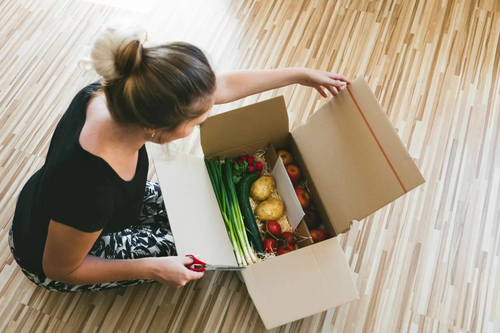
With such a large part of the delivery flow in the hands of third parties, it’s not surprising food providers are turning to data collection and analysis to better understand their delivery operations.
In April 2019, McDonalds spent $300 million to acquire a big data startup. The multi-billion-dollar conglomerate understood that the best way to stay ahead of the competition is to measure, analyze, and improve your performance.
Having these insights into your own delivery operations is invaluable and the benefits stretch across everything from relations with external fleets and aggregators, to providing flawless deliveries, to enabling other arms of your business, like customer care, marketing and branding.
Back in 2017, Amazon made waves when it acquired Whole Foods in an attempt to take on the grocery market. Then Uber Eats came in with a platform for grocery and restaurant delivery.
Google began to enable food ordering and delivery directly from Search and Maps. Partner restaurants will have orders integrated into the search and map functions, enabling people to order directly from the search results page. Deliveries will be fulfilled by the same fleets currently used by the restaurants.
Now that a great percent of revenue for food businesses is invested in online sales and off-premise fulfillment like delivery, curbside pickup and drive-thru, we expect this trend will only grow as tech giants step in with investments, marketplaces, and new services.