x



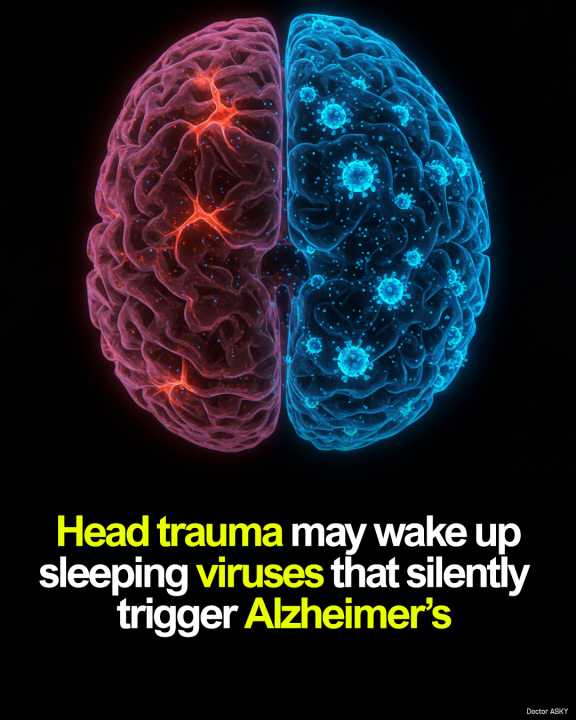
New research shows that head injuries—like concussions or repeated trauma in sports—might do more than just cause short-term damage. They could actually wake up sleeping viruses in your brain, especially the herpes virus (HSV-1), which lives silently in about 80% of people. Once reactivated by trauma, this virus may begin a chain reaction that damages brain cells and creates Alzheimer’s disease-like changes.
Using a lab-made brain tissue model, researchers mimicked the effects of concussion and observed that the dormant HSV-1 virus came back to life after a simulated jolt. This reactivation led to the formation of amyloid plaques, inflammation, dying neurons, and tangled brain proteins—all classic signs of Alzheimer’s. In contrast, tissues without the virus showed much less damage, even after the same level of trauma. When multiple jolts were applied to mimic repeated head injuries, the damage was even worse.
What’s groundbreaking here is the idea that Alzheimer’s might not just come from aging or genetics, but could also be sparked by physical trauma that reawakens viruses we already carry. This might help explain why athletes in contact sports or people who suffer repeated head injuries are at a higher risk of neurodegenerative diseases later in life.
The findings also suggest something hopeful: if scientists can find a way to stop these viruses from waking up—or calm down the inflammation they cause—they might be able to reduce or delay the risk of Alzheimer’s after head injuries. Researchers are now looking into antiviral drugs and anti-inflammatory treatments as possible ways to stop this domino effect before it starts.
With traumatic brain injury affecting nearly 69 million people globally each year, this could have a huge impact—not just for athletes, but for anyone who suffers a head injury. Learn More: www.bobbybrownbiz.com